
How to Choose the Right Cold Storage Warehouse for First-Time Importers
A simple guide for first-time importers on choosing a reliable cold storage warehouse. Learn what to look for, questions to ask, and how to avoid common mistakes.
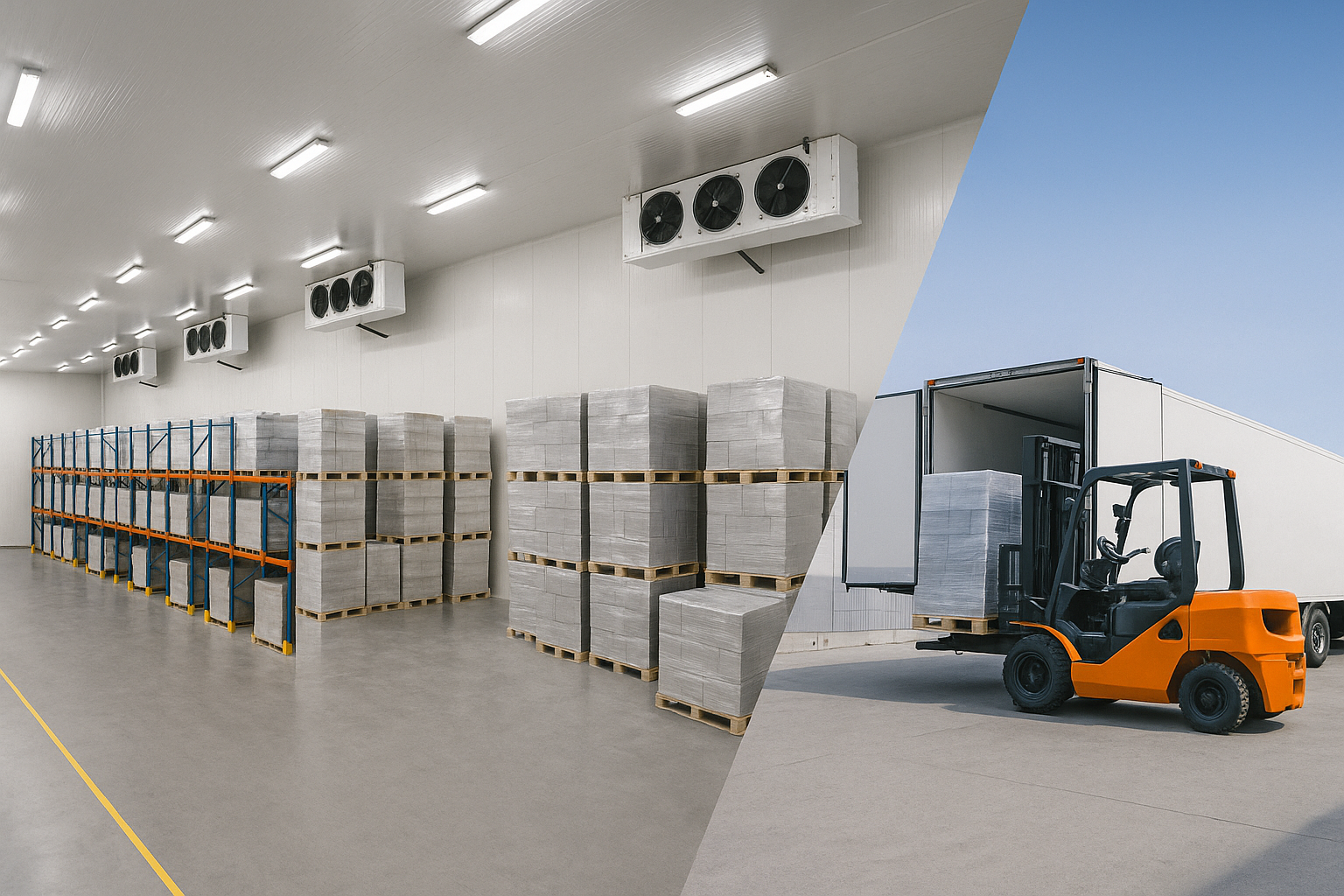
Cold storage warehouse exterior with loading docks – alt: “Cold storage warehouse loading docks for perishable imports”
Workers unloading pallets in a cold storage facility – alt: “Staff unloading palletized perishable goods in cold storage”
Frozen and refrigerated storage rooms – alt: “Cold storage temperature zones for perishable inventory”
Reefer container being delivered to a warehouse – alt: “Reefer container arriving at cold storage facility”
Full SEO Blog
Introduction
If you’re importing perishable goods for the first time—whether it’s frozen seafood, meat, produce, or specialty foods—choosing the right cold storage warehouse can feel overwhelming. There are tons of facilities near major U.S. ports, and many seem similar on the surface. But the right warehouse can protect your product, prevent costly fees, and keep your supply chain running smoothly.
This guide walks you through the essential things to consider so you can choose a cold storage warehouse with confidence.
Location, Location, Location (And Why It Matters)
Where the warehouse is located directly affects your costs and how fast your freight moves.
Look for:
Close proximity to the port (less mileage = lower drayage fees)
Easy access for reefer trucks
Facilities experienced with specific ports (example: Oakland, LA/LB, Newark, Houston)
A warehouse that’s even 5 miles closer to the port could mean hundreds of dollars saved per transfer—especially during peak congestion.
- Make Sure They Accept Shipments When You Need Them To
Port arrivals don’t always follow your schedule. Delays, weekends, holidays, and late-night vessel unloads happen all the time.
Ask the warehouse:
Do you accept containers after hours?
Do you take weekend deliveries?
Do you require an appointment for port pickups?
A facility that can accept freight 24/7 or offers extended hours gives you flexibility and reduces the risk of demurrage and detention.
Verify That They Handle Your Type of Product
Not all cold storage warehouses are the same. Some specialize in frozen goods; others focus on fresh produce, meat, or mixed loads.
Check that they can handle your:
Product type (meat, seafood, dairy, produce, etc.)
Temperature needs (frozen, refrigerated, chilled)
Packaging style (pallets, slip sheets, drums, loose cartons)
The right warehouse will know exactly how to store your product safely and compliantly.
Ask About USDA or FDA Capabilities (If Needed)
If your shipment requires USDA or FDA review, you’ll want a warehouse that can support these inspections.
Questions to ask:
Are you USDA-certified?
Do you support FDA inspections or holds?
Have you handled high-risk food categories before?
Choosing a facility familiar with these agencies helps avoid delays and costly rejections.
Understand Their Pricing Structure
Cold storage billing can be confusing for first-time importers. Every warehouse uses slightly different terminology.
Look for clear information on:
Inbound and outbound handling fees
Storage fees per pallet or per day
Additional services (labeling, sorting, repacking, etc.)
Minimum charges
Appointment or delivery fees
If a facility can explain pricing in plain language, that’s usually a sign they’re easy to work with.
Check Their Communication and Customer Service
Your cold storage warehouse will be a key partner in your supply chain. Communication matters just as much as capability.
Look for a warehouse that:
Responds quickly to emails or calls
Provides clear arrival and release updates
Offers support if something goes wrong
Helps coordinate drayage or transfers
You want a facility that treats your product like their own—especially during busy seasons.
Ask About Additional Helpful Services
Some warehouses offer value-added services that can simplify your entire operation, such as:
Temporary storage for overflow or delays
Cross-docking for quick transfers
Repacking or relabeling if your shipment arrives damaged
Inventory reports
Sampling services
These can save time, reduce costs, and improve product quality upon distribution.
Conclusion
Choosing the right cold storage warehouse doesn’t have to be complicated. Start by focusing on location, hours, product compatibility, compliance, pricing transparency, and communication. A good warehouse partner will help you move freight quickly, avoid unnecessary fees, and protect your perishable products from port to delivery.
If you’d like help writing similar blogs or creating a full SEO content cluster around cold storage, drayage, or perishable imports, I can draft the next topic too.
Need help exporting seafood to the US?
Royal Cold Storage provides end-to-end support — cold storage, transport, customs clearance, and distribution. Free quote within 24 hours.
Request a Quote →Related articles
 Cold Chain & Logistics
Cold Storage Disclaimers Explained
In cold chain logistics, misunderstandings often arise not because of poor service, but because of unclear expectations. One of the most misunderstood elements is the cold storage disclaimer.
 Warehousing & Storage
A Beginner’s Guide to Working With a Cold Storage Customer Service Team
New to cold storage? Learn how to communicate with customer service teams, what information they need, and how to avoid delays with your perishable shipments.
 Warehousing & Storage
How Cold Storage Facilities Protect Your Products During Unloading
Discover how cold storage facilities protect your perishable products during unloading—from temperature control to careful handling and fast processing.