
How Are Rejected or Quarantined Loads Handled in Cold Storage?
In food logistics, rejected shipments happen often—especially with imports, surprise inspections, or packaging errors. Cold storage facilities actively protect your products and ensure regulatory compliance when these issues arise.
How Are Rejected Loads Handled in Cold Storage?
In food logistics, rejected shipments happen often—especially with imports, surprise inspections, or packaging errors. Cold storage facilities actively protect your products and ensure regulatory compliance when these issues arise.
Here’s exactly what happens when your load gets flagged, rejected, or placed under hold.
Common Reasons for Rejected or Quarantined Shipments
Your shipment may get rejected or quarantined if inspectors:
Find temperature fluctuations during transit
Spot improper labels or missing paperwork
See visible damage, contamination, or pest activity
Detect mold or other quality issues
Receive failed lab results (Listeria, Salmonella, or chemical residue)
Identify customs clearance delays or importer record problems
FDA, USDA, or CBP inspectors often catch these problems at the port or when your shipment arrives at a storage facility.
How Cold Storage Facilities Handle a Quarantined Load
Move the Shipment to a Designated Quarantine Zone
Staff immediately transfer your flagged load to a temperature-controlled quarantine area. They separate it from active inventory to prevent cross-contamination.
Notify Stakeholders and Prepare Documents
The team alerts your importer, broker, or freight forwarder and gathers all necessary regulatory paperwork for FDA or USDA holds and insurance claims.
Tag and Lock the Shipment
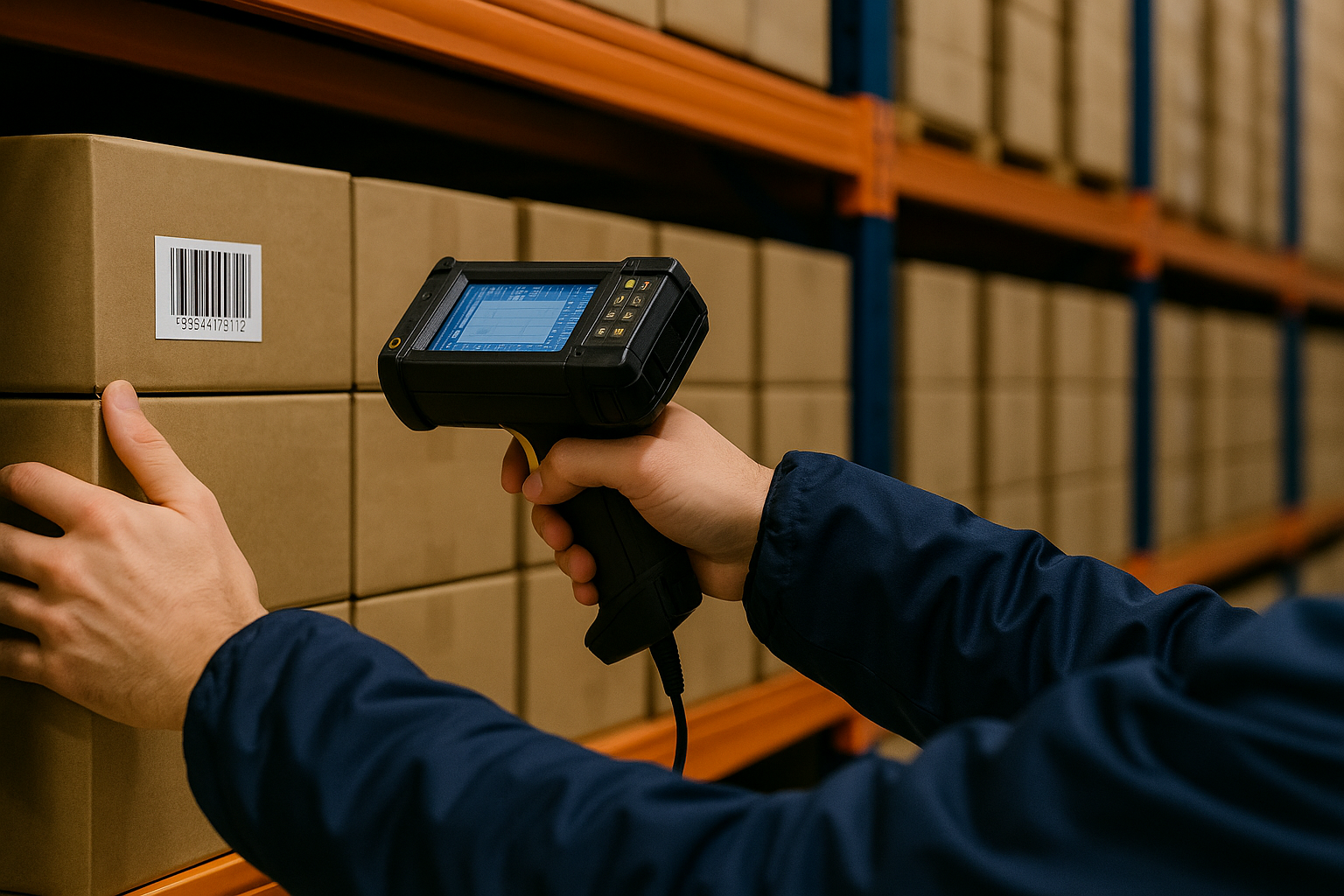
Workers label pallets or containers as “HOLD” or “REJECTED” and lock them down. Many facilities also track every item electronically to maintain accountability.
Coordinate Testing and Inspections
Cold storage staff work directly with USDA or FDA inspectors to schedule reinspections, collect lab samples, or process updated documentation.
Arrange Disposal, Repackaging, or Re-export
If inspectors clear the load for correction, the facility may repackage, relabel, or release it. If not, they’ll:
Dispose of the shipment under regulatory guidelines
Send it back to the origin country
Document every step to protect your business during audits
Why Not Every Cold Storage Facility Handles Rejected Loads
Some facilities avoid quarantined shipments because they lack quarantine zones or inspection-site approvals. A reliable provider should offer:
Clearly marked quarantine areas with lockout protocols
USDA import inspection site experience
Staff trained in FDA hold-release processes
Secure, isolated, and temperature-controlled storage
Strong ties to inspection agencies and disposal contractors
Why Handling Rejected Loads Quickly Matters
Rejected loads can cost you money, time, and retail relationships. Choosing a compliant cold storage partner helps you:
Preserve your cargo while issues get resolved
Protect your importer and carrier records
Avoid unnecessary fines, spoilage, or destruction
The best strategy is to prepare before rejection happens.
How Royal Foods Distribution Handles the Unexpected
At Royal Foods Distribution, we specialize in rejected and held freight. Our USDA/FDA-approved Santa Clara facility offers:
Dedicated isolation areas for flagged shipments
Expert coordination with USDA inspections
Reliable cold chain preservation for delayed loads
Rapid response for lab testing and reinspections
Comprehensive compliance documentation
Whether you face one quarantined pallet or a full reefer container, we’ll help you stay compliant and protect your cargo.
Need help exporting seafood to the US?
Royal Cold Storage provides end-to-end support — cold storage, transport, customs clearance, and distribution. Free quote within 24 hours.
Request a Quote →Related articles
 Cold Chain & Logistics
Cold Storage Disclaimers Explained
In cold chain logistics, misunderstandings often arise not because of poor service, but because of unclear expectations. One of the most misunderstood elements is the cold storage disclaimer.
 Warehousing & Storage
A Beginner’s Guide to Working With a Cold Storage Customer Service Team
New to cold storage? Learn how to communicate with customer service teams, what information they need, and how to avoid delays with your perishable shipments.
 Warehousing & Storage
How Cold Storage Facilities Protect Your Products During Unloading
Discover how cold storage facilities protect your perishable products during unloading—from temperature control to careful handling and fast processing.