
How Cold Storage Warehouses Calculate Billing: What’s in Your Invoice?
When you store freight in a cold storage warehouse—especially as an importer dealing with perishable cargo—understanding your invoice can save you from budget surprises. Billing in refrigerated warehousing isn’t just about the space your goods occupy. It often includes handling charges,...
When you store freight in a cold storage warehouse—especially as an importer dealing with perishable cargo—understanding your invoice can save you from budget surprises. Billing in refrigerated warehousing isn’t just about the space your goods occupy. It often includes handling charges, accessorial fees, and time-based rates that reflect the real complexity of managing temperature-sensitive cargo.
Here’s a breakdown of what you’ll typically see on a cold storage warehouse invoice—and what each line item means for your business.
- Storage Fees: By Pallet, By Day, or By Temperature Zone
Most warehouses charge storage based on:
Per pallet per day or per pallet per month
Temperature zone (freezer, cooler, ambient)
Volume-based tiers (e.g., discounted rates for larger volume clients)
Freezer storage often costs more than refrigerated or dry due to higher energy costs and maintenance.
Inbound and Outbound Handling Charges
These fees cover labor and equipment used to:
Unload your freight from trucks or containers
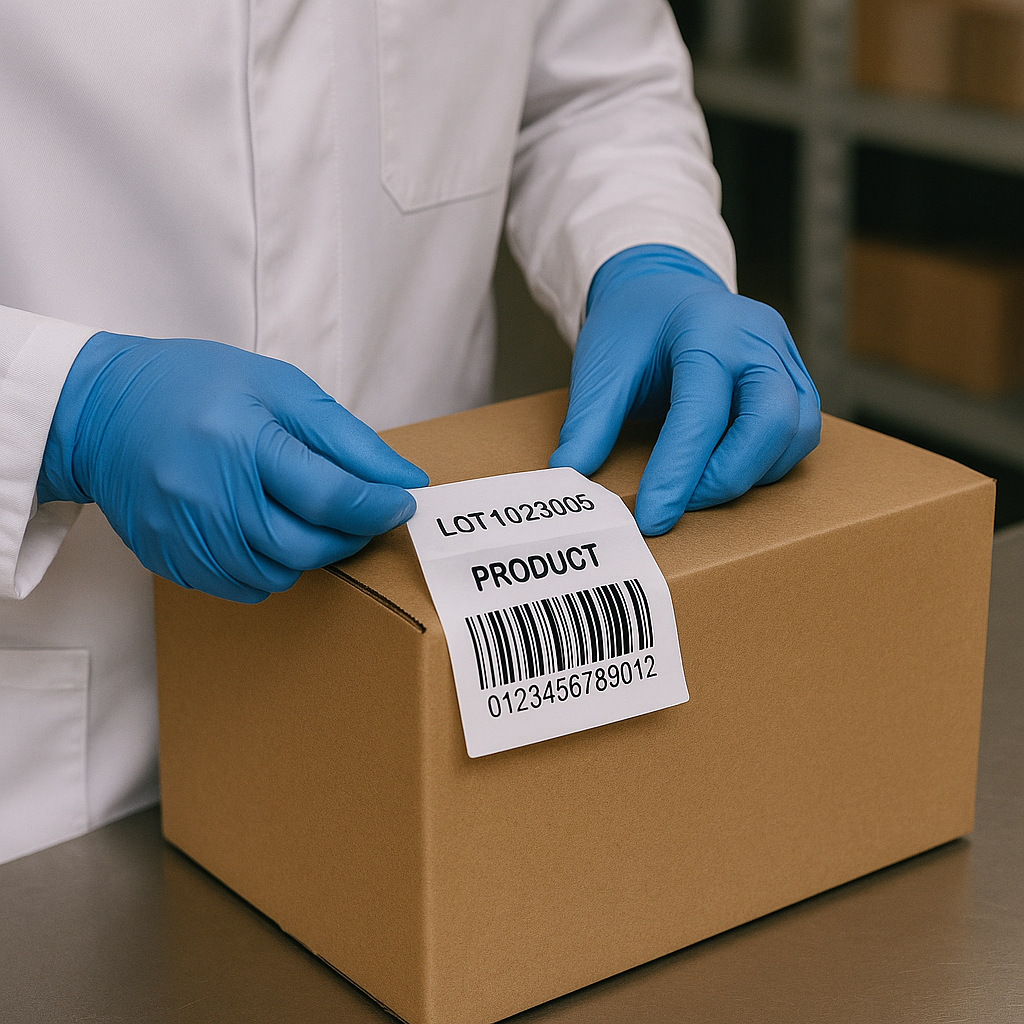
Check-in and label pallets
Move products into their assigned location
Load products back out for shipping
Handling is usually charged per pallet or per hour, depending on the warehouse’s SOPs.
Accessorial Charges
These are optional or situational charges that come up during specific service requests. Common examples include:
USDA/FDA inspection support
Stretch-wrapping or re-palletizing
Container drayage or port pick-up coordination
After-hours access or weekend delivery
Emergency offloading
These fees can vary greatly, so it’s important to ask for a list of standard accessorial charges in advance.
Temperature Monitoring and Compliance Services
Some cold storage providers offer services like:
Real-time temperature tracking
Automated alerts for temperature excursions
Data logs for regulatory compliance
These may be bundled in your rate or charged separately if requested.
Dwell Time and Minimum Charges
Dwell time: If your shipment stays longer than the grace period (often 3–5 days), additional storage charges begin.
Minimum charges: Warehouses may enforce a minimum storage fee regardless of actual volume stored, especially for short-term loads.
Billing Frequency and Payment Terms
Cold storage invoices may be issued:
Weekly (common for short-term or high-turnover goods)
Monthly (common for long-term storage)
Be sure to review payment terms—net 15 or net 30 is typical—and ask about late fees or finance charges.
Avoiding Surprises: Ask for a Rate Sheet
Before using a new cold storage provider, request a rate sheet and ask:
What services are included in the base storage fee?
Which services are billed separately?
Are there additional charges for inspections or weekend deliveries?
How is handling calculated?
A transparent provider will walk you through their billing method so you can plan more accurately.
Cold Storage Billing Doesn’t Have to Be a Mystery
When you understand how cold storage billing works, you can better evaluate providers, predict costs, and avoid miscommunication. At Royal Foods Distribution, we prioritize billing clarity so our clients can focus on product quality and logistics—not invoice surprises.
Need help exporting seafood to the US?
Royal Cold Storage provides end-to-end support — cold storage, transport, customs clearance, and distribution. Free quote within 24 hours.
Request a Quote →Related articles
 Cold Chain & Logistics
Cold Storage Disclaimers Explained
In cold chain logistics, misunderstandings often arise not because of poor service, but because of unclear expectations. One of the most misunderstood elements is the cold storage disclaimer.
 Warehousing & Storage
A Beginner’s Guide to Working With a Cold Storage Customer Service Team
New to cold storage? Learn how to communicate with customer service teams, what information they need, and how to avoid delays with your perishable shipments.
 Warehousing & Storage
How Cold Storage Facilities Protect Your Products During Unloading
Discover how cold storage facilities protect your perishable products during unloading—from temperature control to careful handling and fast processing.