
How Do You Stay USDA-Compliant When Importing Meat and Seafood?
Importing meat and seafood into the United States is a highly regulated process—and for good reason. Ensuring product safety, quality, and traceability is essential to protect consumers and maintain public health. For importers, staying USDA-compliant isn't just about avoiding penalties;...
Importing meat and seafood into the United States is a highly regulated process—and for good reason. Ensuring product safety, quality, and traceability is essential to protect consumers and maintain public health. For importers, staying USDA-compliant isn't just about avoiding penalties; it’s about maintaining trust and operating efficiently within the cold chain.
If you're a food distributor or a logistics company navigating this space, here's what you need to know to stay on the right side of the USDA regulations.
Understand USDA Requirements
The U.S. Department of Agriculture (USDA)—particularly through its Food Safety and Inspection Service (FSIS)—sets strict requirements for all imported meat and seafood. Importers must:
- Source products from facilities approved by the USDA.
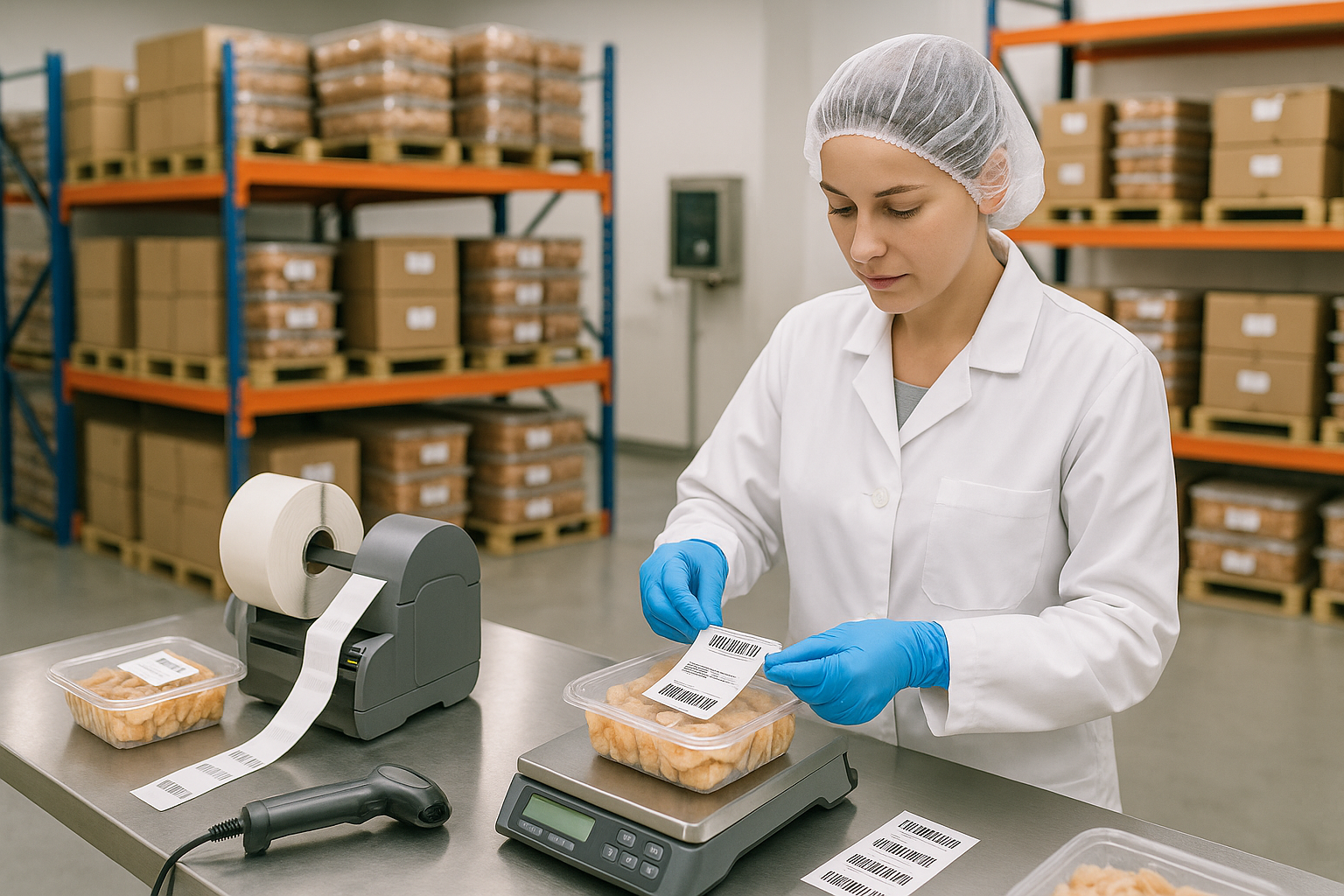
- Ensure products are labeled with country of origin, establishment number, and handling instructions.
- Prepare for re-inspection at US cold storage facilities or cross-docking points near entry ports.
Compliance starts with ensuring your foreign suppliers meet USDA equivalency standards and your paperwork is airtight.
Partner with a USDA-Approved Cold Storage Facility
Using a USDA-approved cold storage facility is essential for maintaining the cold chain and
ensuring inspection readiness. These facilities are equipped to:
- Store products at regulated temperatures.
- Handle USDA inspection procedures efficiently.
- Manage lot segregation, labeling, and traceability.
If you're looking for a trusted logistics company in Santa Clara, make sure they offer USDA-compliant storage solutions tailored for meat and seafood.
Use Reefer Drayage and Port Drayage Strategically
Transporting perishable goods requires more than just a truck—it demands specialized services like reefer drayage and port drayage.
- Reefer drayage involves temperature-controlled transportation from the port to the cold storage facility.
- Port drayage ensures quick and efficient movement of containers from terminal to warehouse, reducing delays that can compromise product quality.
Choosing a provider with integrated cold chain logistics capabilities ensures that your product stays within regulated temperature thresholds from ship to shelf.
Maintain Detailed Documentation
From import permits and shipping manifests to USDA inspection results, maintaining meticulous records is non-negotiable. Be prepared to present:
- FSIS Form 9540-1 (Import Inspection Application).
- Foreign establishment approvals.
- Bills of lading, invoices, and customs entries.
Documentation must accompany the cargo through every stage—from unloading at port, through cross-docking, and finally into cold storage.
Optimize Your Cold Chain Logistics
Maintaining a robust cold chain logistics strategy is crucial for USDA compliance. This includes:
- Real-time temperature monitoring.
- Rapid transfer at cross-docking points to minimize dwell time.
- Continuous communication between your carrier, drayage provider, and cold storage partner.
Working with a full-service logistics company in Santa Clara can streamline this process. Royal Foods Distribution, for example, offers an integrated solution with USDA-approved storage, real-time tracking, and seamless drayage services.
Conclusion
USDA compliance when importing meat and seafood isn’t just about following rules—it’s about ensuring food safety, minimizing waste, and maintaining customer trust. By working with the right partners—especially those offering cold storage facility access, reefer drayage, port drayage, and cold chain logistics support—you can simplify the process and focus on growing your business.
If you’re looking for a trusted logistics company in Santa Clara, Royal Foods Distribution is here to help you navigate USDA compliance with confidence.
Need help exporting seafood to the US?
Royal Cold Storage provides end-to-end support — cold storage, transport, customs clearance, and distribution. Free quote within 24 hours.
Request a Quote →Related articles
 Warehousing & Storage
Why Warehouse Appointment Times Matter for Perishable Freight
Learn why appointment times are critical for perishable freight, how they prevent delays and spoilage, and what importers can do to avoid missed windows.
 Warehousing & Storage
Why Cold Storage Warehouses Reject Shipments: The Most Common Preventable Issues
Learn the top reasons cold storage warehouses reject perishable shipments and how importers can prevent costly delays, fees, and product refusals.
 Warehousing & Storage
How to Label Perishable Products Correctly for Smooth Cold Storage Check-In
A simple guide for importers on how to label perishable products correctly to avoid delays, repacking fees, and check-in issues at cold storage facilities.