
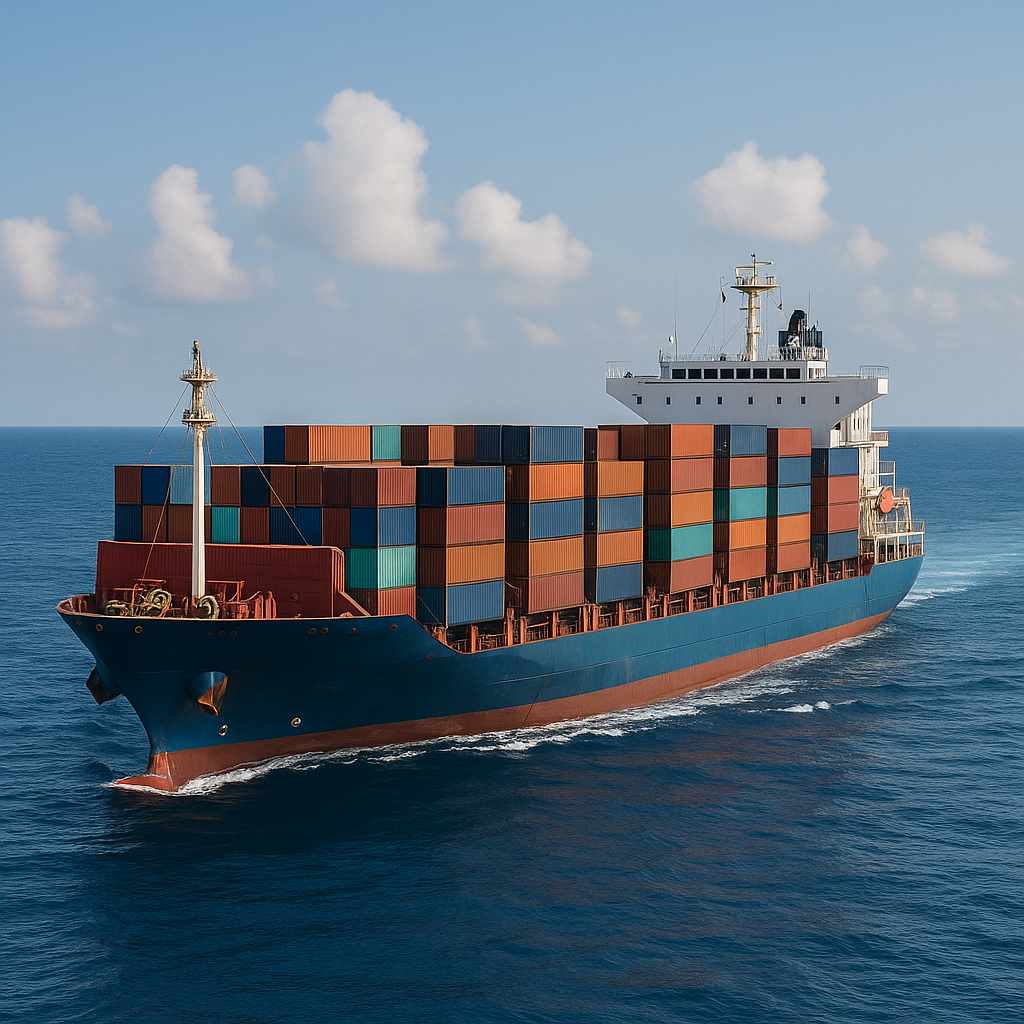
How to Avoid Demurrage with Quick Transfer to Cold Storage
Demurrage charges can pile up fast when your reefer container sits at port too long. These penalties—charged by the terminal—can start within 48–72 hours of container discharge. When you’re handling perishables like meat, produce, or frozen seafood, time isn’t just money—it's product integrity.
Demurrage charges can pile up fast when your reefer container sits at port too long. These penalties—charged by the terminal—can start within 48–72 hours of container discharge. When you’re handling perishables like meat, produce, or frozen seafood, time isn’t just money—it's product integrity.
Here’s how to avoid demurrage by arranging fast cold storage transfer right after port arrival.
Pre-Book Cold Storage Space Before Arrival
The most effective way to prevent delays is to reserve cold storage before your container lands. This allows:
Immediate transfer once customs or USDA/FDA clears the shipment
Guaranteed warehouse space for your specific temperature needs
Elimination of last-minute scrambles for availability
Facilities like Royal Foods Distribution in Santa Clara accept pre-bookings for all types of perishable goods and mixed loads.
Choose a Cold Storage Facility Close to the Port
Proximity reduces transfer time. For example, cold storage near the Port of Oakland—such as Royal Foods—means:
Less risk of trucking delays
Lower drayage costs
Faster reefer offloading and plug-in for temp control
Coordinate Reefer Drayage in Advance
Late drayage is a top cause of demurrage. To stay ahead:
Schedule reefer container pickup with your drayage provider ahead of arrival
Share your container number and arrival time as soon as available
Confirm port appointment and ensure drivers are TWIC-certified for terminal entry
Royal Foods offers integrated reefer drayage services, minimizing handoffs and miscommunication.
Use a USDA I-House Storage Facility
If your container is flagged for USDA inspection, using a facility with an I-house number (e.g., I-95) ensures that:
Your container doesn’t have to wait at port for inspection
It can be moved to the warehouse immediately
The inspection happens at the storage site, not the terminal
This saves critical time and reduces congestion-related delays.
Have Backup Plans for Unexpected Delays
Even with perfect planning, port congestion, customs exams, or documentation errors can occur. Choose a cold storage partner who offers:
Emergency plug-in support for reefer containers
Flexible intake schedules
Quick reaction to changing ETAs or clearance times
Let Royal Foods Help You Bypass Demurrage
At Royal Foods Distribution, we understand the urgency of port logistics. That’s why we provide:
Reefer drayage from Port of Oakland
Cold storage in Santa Clara for frozen, chilled, and fresh loads
USDA/FDA inspection support at our I-95 site
Cross-docking and last-mile delivery services
By coordinating logistics early and acting fast, we help our clients avoid demurrage—and preserve both product and profit.
Need help exporting seafood to the US?
Royal Cold Storage provides end-to-end support — cold storage, transport, customs clearance, and distribution. Free quote within 24 hours.
Request a Quote →Related articles
 Cold Chain & Logistics
Cold Storage Disclaimers Explained
In cold chain logistics, misunderstandings often arise not because of poor service, but because of unclear expectations. One of the most misunderstood elements is the cold storage disclaimer.
 Warehousing & Storage
A Beginner’s Guide to Working With a Cold Storage Customer Service Team
New to cold storage? Learn how to communicate with customer service teams, what information they need, and how to avoid delays with your perishable shipments.
 Warehousing & Storage
How Cold Storage Facilities Protect Your Products During Unloading
Discover how cold storage facilities protect your perishable products during unloading—from temperature control to careful handling and fast processing.