
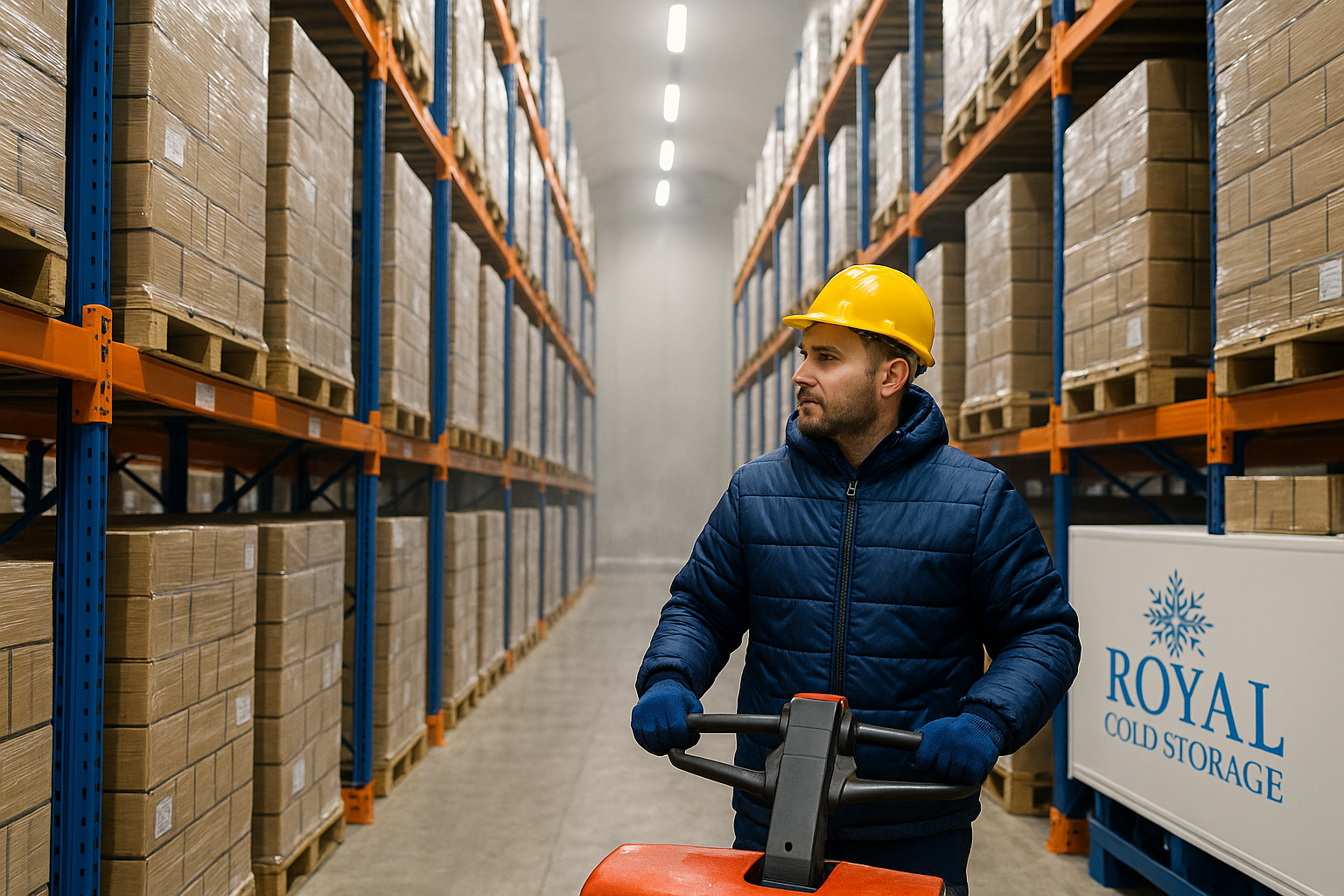
How to Prepare Palletized Cargo for Cold Storage to Avoid Repacking Fees
When cargo arrives at a cold storage warehouse damaged, unstable, or non-compliant, staff may need to repack or restack your goods — and those services aren’t free.
Why Pallet Preparation Matters in Cold Storage
When cargo arrives at a cold storage warehouse damaged, unstable, or non-compliant, staff may need to repack or restack your goods — and those services aren’t free.
Repacking fees can range from $30 to $100+ per pallet, depending on labor time and materials. Proper preparation not only saves you money but also ensures your goods are protected in the cold chain from port to warehouse.
Use the Correct Pallet Type and Size
Most U.S. cold storage facilities require:
Standard GMA Pallets – 48” x 40”
Food-grade, clean pallets – no dirt, oil, or chemical residue
Good condition – no broken boards or protruding nails
📌 Pro Tip: Avoid non-standard pallets unless your warehouse has confirmed they can accept them.
Keep Pallets Within Height and Weight Limits
Typical cold storage guidelines:
Max height: 60–72 inches (including pallet)
Max weight: 2,000–2,200 lbs per pallet
Overheight or overweight pallets may require split loads — adding to handling costs.
Wrap and Secure Properly
Your shrink-wrap should:
Fully cover the product and extend to the pallet base
Be tight enough to prevent shifting during transit
Use corner boards to protect edges if needed
Avoid loose or hanging wrap that can catch on racking
📌 Pro Tip: In cold storage, condensation and low temps can weaken poor-quality stretch wrap. Use industrial-grade film designed for cold environments.
Label Clearly and Correctly
Each pallet should have:
Product name
Lot/batch number
Quantity and weight
Temperature requirements
Any special handling instructions
Place labels on at least two visible sides for quick scanning.
Prevent Overhang
Product should not extend beyond the pallet edge — overhanging cases are more likely to be damaged during forklift handling and may require repacking.
Use Slip Sheets When Required
Some cold storage facilities prefer or require slip sheets for certain products. If your product will be handled with push-pull attachments, confirm in advance to avoid transfer delays.
Communicate with Your Warehouse Before Shipping
Send your cold storage provider:
Pallet count and configuration
Dimensions and weight
Expected arrival date
Special handling requirements
📌 Pro Tip: This allows the warehouse to plan space and staffing — and flag any compliance issues before your truck arrives.
How Royal Foods Helps You Avoid Repacking Fees
At Royal Foods Distribution, we work closely with shippers to ensure cargo arrives ready for storage:
Pallet prep guidelines sent before your shipment
On-site receiving team trained in cold chain best practices
Quick feedback if your load arrives with issues — so you can correct before storage fees pile up
Final Takeaway
A little extra care in pallet prep can save hundreds in unnecessary repacking charges and keep your perishable products safe from damage.
📦 Contact Royal Foods Distribution Today
Ensure your goods are pallet-perfect before hitting cold storage.
📞 Phone: (408) 560-1628 or (408) 368-0408 📧 Email: [email protected] 📍 Address: 2026 Martin Ave, Santa Clara, CA 95050, USA
Need help exporting seafood to the US?
Royal Cold Storage provides end-to-end support — cold storage, transport, customs clearance, and distribution. Free quote within 24 hours.
Request a Quote →Related articles
 Cold Chain & Logistics
Cold Storage Disclaimers Explained
In cold chain logistics, misunderstandings often arise not because of poor service, but because of unclear expectations. One of the most misunderstood elements is the cold storage disclaimer.
 Warehousing & Storage
A Beginner’s Guide to Working With a Cold Storage Customer Service Team
New to cold storage? Learn how to communicate with customer service teams, what information they need, and how to avoid delays with your perishable shipments.
 Warehousing & Storage
How Cold Storage Facilities Protect Your Products During Unloading
Discover how cold storage facilities protect your perishable products during unloading—from temperature control to careful handling and fast processing.