
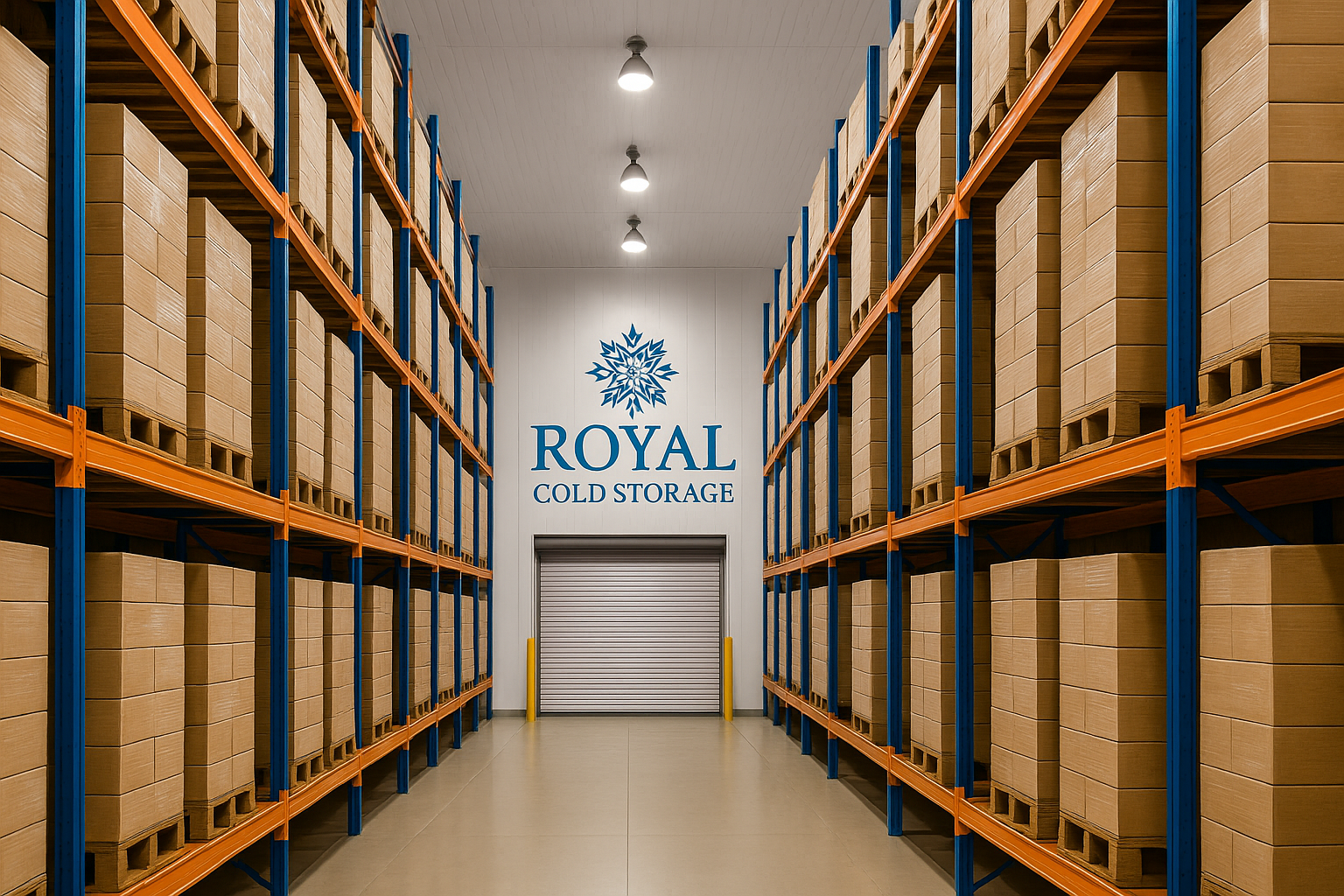
How Trump’s Latest Tariffs Are Disrupting the Supply Chain—and What It Means for Cold Storage and Drayage
The 2025 tariff wave has arrived—and it's sending shockwaves across the logistics industry. President Trump’s recent trade measures, including tariffs as high as 50% on goods from the EU and 34% on imports from China, are not just political headlines. They’re reshaping the very backbone of...
The 2025 tariff wave has arrived—and it's sending shockwaves across the logistics industry. President Trump’s recent trade measures, including tariffs as high as 50% on goods from the EU and 34% on imports from China, are not just political headlines. They’re reshaping the very backbone of global supply chains, especially for sectors reliant on port drayage, cold storage, and FDA/USDA compliance services.
Tariffs and Their Immediate Impact
The newly announced tariffs, many of which take effect this summer, target a wide range of goods—everything from consumer electronics to apparel and raw materials. Importers and exporters alike are scrambling to re-evaluate sourcing strategies, pricing models, and logistics timelines.
For businesses dependent on port drayage and cold chain logistics, these changes translate into:
Longer lead times as suppliers shift manufacturing to avoid high-tariff countries.
Rising costs for temperature-controlled goods like pharmaceuticals, produce, and meat, which already face tight USDA/FDA oversight.
Customs bottlenecks as more goods are flagged for inspection due to shifting country-of-origin documentation.
What It Means for Cold Storage and Drayage Providers
At our Santa Clara-based facility, we’ve seen firsthand how this uncertainty is driving demand for flexible, short-term storage and agile drayage support. Shippers are looking for partners who can:
Accommodate fluctuations in import volumes with scalable cold storage capacity.
Handle regulatory shifts with in-house expertise on FDA/USDA compliance.
Provide expedited drayage from ports of entry to inland facilities as routing changes occur.
With a 300-pallet capacity and I-house number I-95, our team is ready to support clients navigating this volatile landscape.
Strategic Shifts in the Supply Chain
Many importers are accelerating efforts to nearshore or diversify sourcing, moving production out of tariff-affected regions like China and the EU. These shifts often come with growing pains—requiring new logistics partnerships, unfamiliar inspection protocols, and adjusted timelines that ripple through every warehouse and port terminal.
For cold storage providers, the challenge is twofold: maintaining product integrity and remaining nimble in response to delays or route changes. That's where having a trusted logistics partner becomes crucial.
Conclusion
Trump’s tariffs may be aimed at boosting domestic production, but in the short term, they’re causing deep supply chain disruptions across nearly every sector. For cold storage and drayage operators, it’s time to double down on reliability, compliance, and client support.
Whether you’re rethinking your import strategy or need last-mile delivery from the port, we’re here to help you adapt.
Need Help Navigating the Tariff Turbulence? At Royal Foods Distribution, we specialize in agile cold storage, USDA/FDA-compliant handling, and port drayage solutions tailored for uncertain times. Let our Santa Clara team support your next move—whether you're rerouting shipments or securing scalable storage.
📞 Call us today at (408) 560-1628 or (408) 368-0408 📍 Visit us at 2026 Martin Ave, Santa Clara, CA 95050 📧 Or reach out to our logistics team directly to start a custom solution.
Stay cold. Stay compliant. Stay competitive—with Royal Foods Distribution.
Need help exporting seafood to the US?
Royal Cold Storage provides end-to-end support — cold storage, transport, customs clearance, and distribution. Free quote within 24 hours.
Request a Quote →Related articles
 Cold Chain & Logistics
Cold Storage Disclaimers Explained
In cold chain logistics, misunderstandings often arise not because of poor service, but because of unclear expectations. One of the most misunderstood elements is the cold storage disclaimer.
 Warehousing & Storage
A Beginner’s Guide to Working With a Cold Storage Customer Service Team
New to cold storage? Learn how to communicate with customer service teams, what information they need, and how to avoid delays with your perishable shipments.
 Warehousing & Storage
How Cold Storage Facilities Protect Your Products During Unloading
Discover how cold storage facilities protect your perishable products during unloading—from temperature control to careful handling and fast processing.