
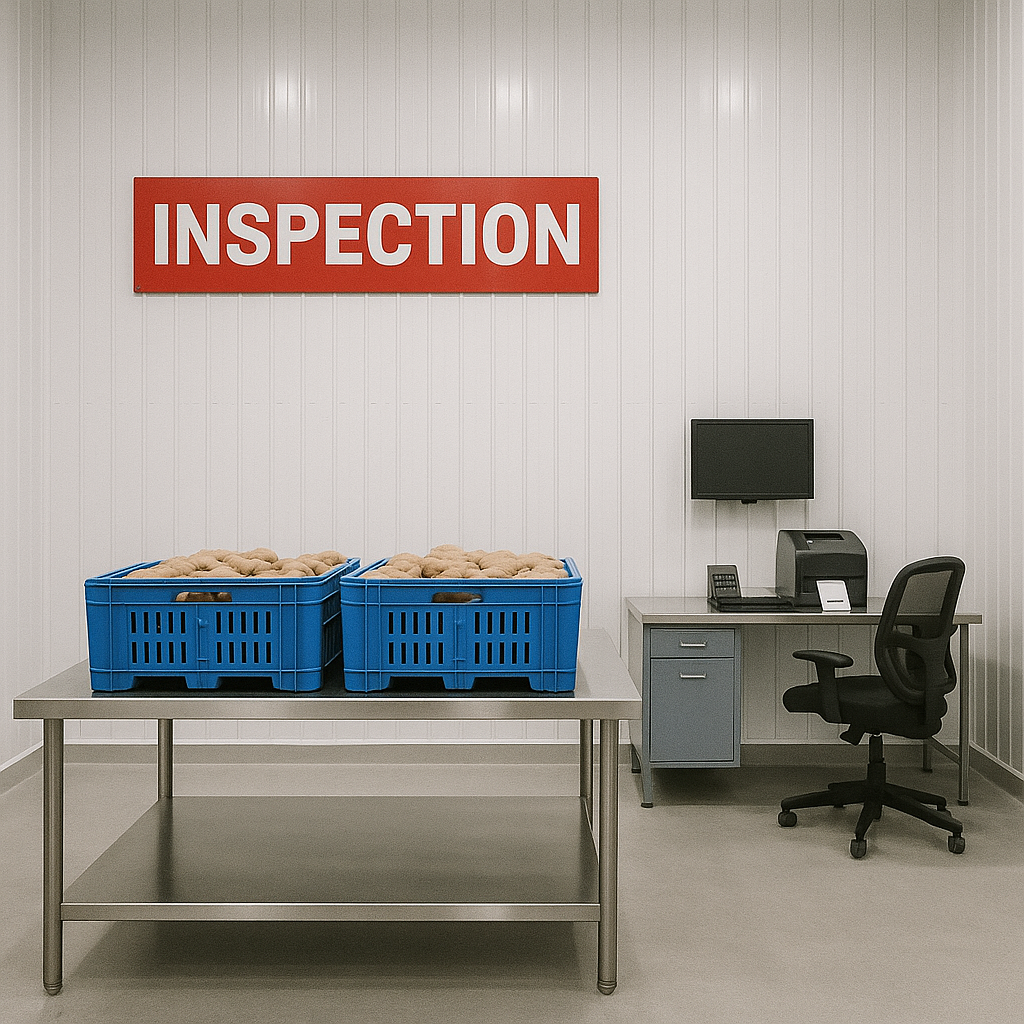
The Basics of Loading and Unloading Reefer Trucks Safely: A Beginner-Friendly Guide
Learn the essential steps for safely loading and unloading reefer trucks to protect perishable goods, prevent damage, and avoid delays at cold storage facilities.
Worker loading pallets into reefer truck – alt: “Loading pallets into refrigerated truck safely”
Reefer truck parked at dock – alt: “Reefer truck backed into cold storage loading dock”
Pallet jack moving product – alt: “Unloading frozen goods from reefer truck with pallet jack”
Reefer interior clean and empty – alt: “Properly pre-cooled reefer trailer before loading”
Full SEO Blog
Introduction
Reefer trucks play a crucial role in the cold chain, keeping frozen and refrigerated products safe from point A to point B. But how you load and unload those trucks is just as important as the temperature settings. Poor handling can lead to damaged goods, rejected shipments, or even safety hazards for warehouse teams.
This beginner-friendly guide will walk you through the basics of loading and unloading reefer trucks safely, whether you're an importer, shipper, warehouse team member, or simply new to perishable logistics.
Pre-Cool the Reefer Before Loading
Before any product enters the truck, it needs to be cooled down to the correct temperature.
Why it matters: Warm trailers cause condensation, temperature shock, and potential spoilage—even if the trip is short.
What to do:
Pre-cool the trailer to the target temperature
Keep doors closed until ready to load
Confirm the setpoint matches customer requirements
Make Sure the Trailer Is Clean and Ready
A reefer must be clean, dry, and free of strong odors before loading.
Check for:
Debris on the floor
Leftover shrink wrap
Broken pallets
Signs of pests
Lingering odors
A quick inspection saves time and ensures compliance with food safety standards.
Use the Right Equipment for Loading
Safe loading starts with the right tools. Most facilities use:
Forklifts
Electric pallet jacks
Manual pallet jacks
Dock plates and levelers
Key tip: Ensure all equipment is in good condition and rated for the weight of the product.
Follow Proper Pallet Placement Inside the Trailer
Improper pallet placement is one of the most common causes of rejected loads.
Best practices:
Leave space at the back for air circulation (no pallets touching the walls)
Keep pallets straight and evenly spaced
Avoid leaning or unstable pallets
Never block the reefer unit’s air chute
Good airflow = good temperature control.
Load Quickly to Maintain Temperature
Every minute the truck sits open, cold air escapes.
How to stay efficient:
Stage pallets near the dock before loading
Keep a steady team flow
Close doors between loading pauses
Avoid unnecessary delays between pallets
Speed matters—but never at the expense of safety or product damage.
Secure the Load Before Transport
Shifting pallets can break boxes, damage product, or cause injuries upon unloading.
Secure using:
Load locks
E-tracks
Straps
Proper bracing with pallets
A stable load protects your freight and your team.
Unloading Safely at the Facility
Once the truck arrives at the cold storage dock:
Steps for smooth unloading:
Confirm truck seals match paperwork
Ensure dock plates are secure
Open doors slowly to avoid falling pallets
Verify trailer temperature before unloading
Remove any loose or damaged items carefully
The receiving team will usually scan or document pallets as they come off the truck.
Communicate With Warehouse Staff
Good communication makes everything safer and faster.
Share key details such as:
What’s in the load
Number of pallets
Any shifted or damaged areas
Temperature requirements
Most issues are avoided simply by letting the warehouse know what to expect.
Conclusion
Loading and unloading reefer trucks safely doesn't have to be complicated. With clean equipment, proper pallet placement, quick handling, and consistent communication, you protect products, reduce rejections, and keep the cold chain running smoothly.
Whether you're new to perishable logistics or refining your processes, these foundational steps will help ensure every reefer load arrives safely and in top condition.
Need help exporting seafood to the US?
Royal Cold Storage provides end-to-end support — cold storage, transport, customs clearance, and distribution. Free quote within 24 hours.
Request a Quote →Related articles
 Cold Chain & Logistics
Cold Storage Disclaimers Explained
In cold chain logistics, misunderstandings often arise not because of poor service, but because of unclear expectations. One of the most misunderstood elements is the cold storage disclaimer.
 Warehousing & Storage
A Beginner’s Guide to Working With a Cold Storage Customer Service Team
New to cold storage? Learn how to communicate with customer service teams, what information they need, and how to avoid delays with your perishable shipments.
 Warehousing & Storage
How Cold Storage Facilities Protect Your Products During Unloading
Discover how cold storage facilities protect your perishable products during unloading—from temperature control to careful handling and fast processing.