
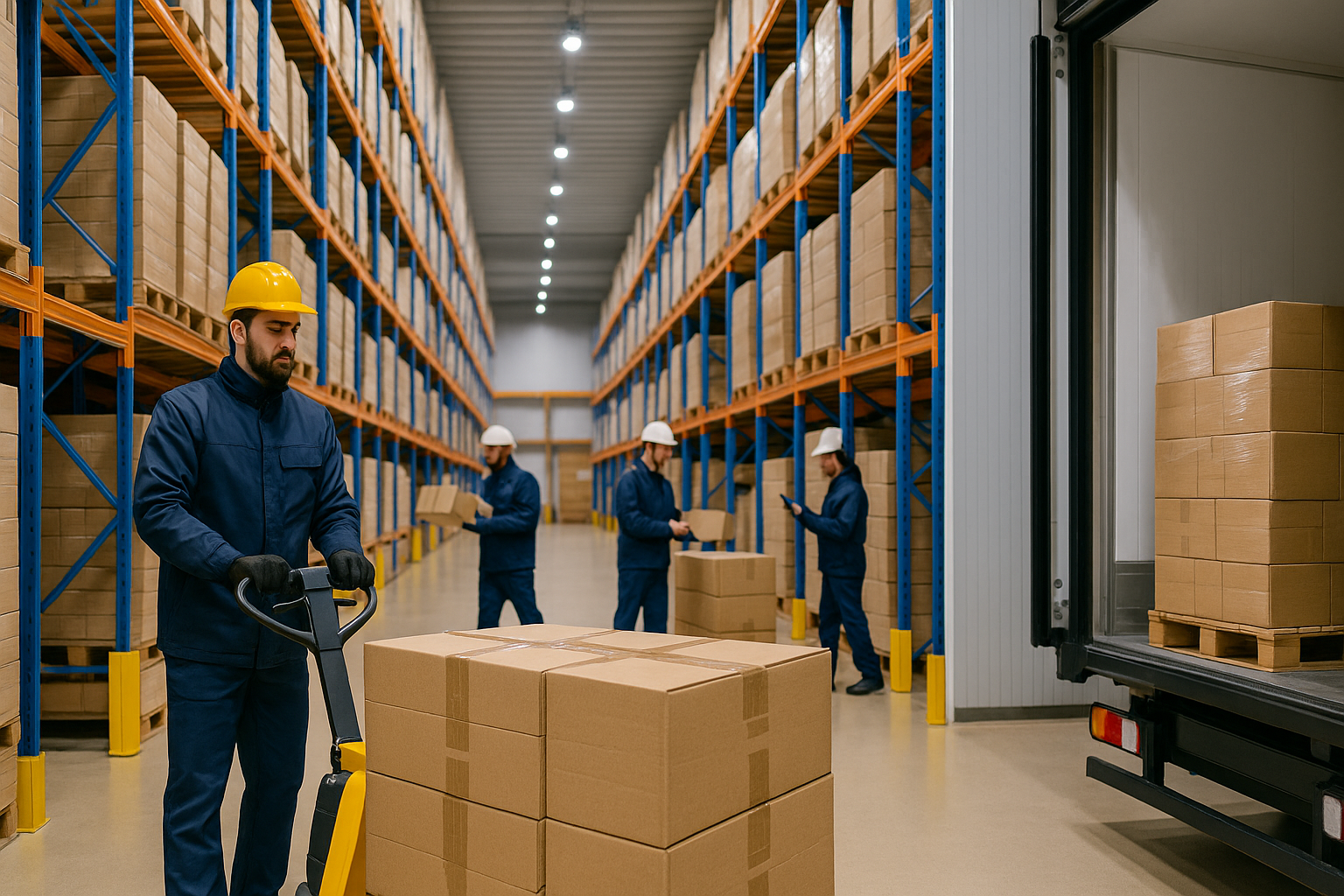
Weekend Port Arrivals? Why You Need Cold Storage That Accepts Freight 24/7
Your container finally arrives at the port—on a Saturday evening. You’ve got frozen seafood, produce, or meat inside a reefer, and the receiving warehouse is... closed until Monday.
Your container finally arrives at the port—on a Saturday evening. You’ve got frozen seafood, produce, or meat inside a reefer, and the receiving warehouse is... closed until Monday.
Now what?
Weekend or after-hours arrivals can make or break your perishable cargo. If there’s no immediate cold storage option, your product risks:
Temperature deviation
Compliance issues
Spoilage
Costly demurrage or detention
This is why importers and freight forwarders look for 24/7 cold storage with port proximity—especially near high-traffic terminals like Port of Oakland.
Why Do So Many Containers Arrive on Weekends?
Thanks to global supply chain congestion and unpredictable vessel schedules, weekend arrivals are becoming more common. You may encounter:
Friday-night offloading
Saturday/Sunday vessel discharges
Missed appointment windows due to port delays
Carriers and terminals don’t stop—so neither can your cold chain.
The Risks of No After-Hours Receiving
Here’s what can happen when your storage provider only operates 9–5, Monday through Friday:
Your reefer container sits idle, burning genset fuel or unplugged, risking temperature damage.
You incur demurrage at the port or detention fees from truckers.
Missed USDA/FDA inspection windows, delaying cargo release.
Retailers or buyers reject product that didn’t meet cold chain integrity.
How 24/7 Cold Storage Solves the Problem
A cold storage facility that operates on weekends and holidays can:
Receive freight anytime, including late at night or early morning.
Coordinate with reefer drayage providers to transfer your container immediately after discharge.
Store freight under USDA/FDA-compliant conditions, even if inspection is pending.
Prevent demurrage and detention with fast container offloading.
At Royal Foods Distribution in Santa Clara, we’ve designed our operations to receive, inspect, and store perishables 24/7, especially for weekend-critical freight.
Real-Life Use Case: Seafood Container from Vietnam
An importer had a 40-foot reefer container with frozen swai fillets arrive at Oakland International Container Terminal at 4 PM on a Saturday. Their usual warehouse was closed. By Monday, they’d be at risk of:
USDA inspection delay
Product temperature drop
Storage refusal from retailers
Instead, they contacted Royal Foods Distribution. Within hours, we dispatched a reefer drayage truck, transferred the container to our I-house number cold storage, and stored it at -18°C. The shipment cleared USDA inspection Monday morning, still frozen solid.
Why Choose Royal Foods for After-Hours Receiving?
- USDA-Designated I-House (I-95)
- FDA-Compliant Facility
- Reefer Drayage Support
- Real-Time Temperature Control
- 300 Pallet Storage Capacity
- Located near San Jose & Port of Oakland
Whether it’s a holiday, late Friday, or Sunday at dawn—we’re ready.
Summary: What to Look for in 24/7 Cold Storage
Don’t Let the Clock Kill Your Cold Chain
Weekend port arrivals are unpredictable—but your cold storage plan doesn’t have to be. Partner with a 24/7 facility like Royal Foods to protect your perishables and keep your operation moving—no matter the hour.
Contact us today to book emergency cold storage or arrange for weekend offloading support.
Need help exporting seafood to the US?
Royal Cold Storage provides end-to-end support — cold storage, transport, customs clearance, and distribution. Free quote within 24 hours.
Request a Quote →Related articles
 Cold Chain & Logistics
Cold Storage Disclaimers Explained
In cold chain logistics, misunderstandings often arise not because of poor service, but because of unclear expectations. One of the most misunderstood elements is the cold storage disclaimer.
 Warehousing & Storage
A Beginner’s Guide to Working With a Cold Storage Customer Service Team
New to cold storage? Learn how to communicate with customer service teams, what information they need, and how to avoid delays with your perishable shipments.
 Warehousing & Storage
How Cold Storage Facilities Protect Your Products During Unloading
Discover how cold storage facilities protect your perishable products during unloading—from temperature control to careful handling and fast processing.