
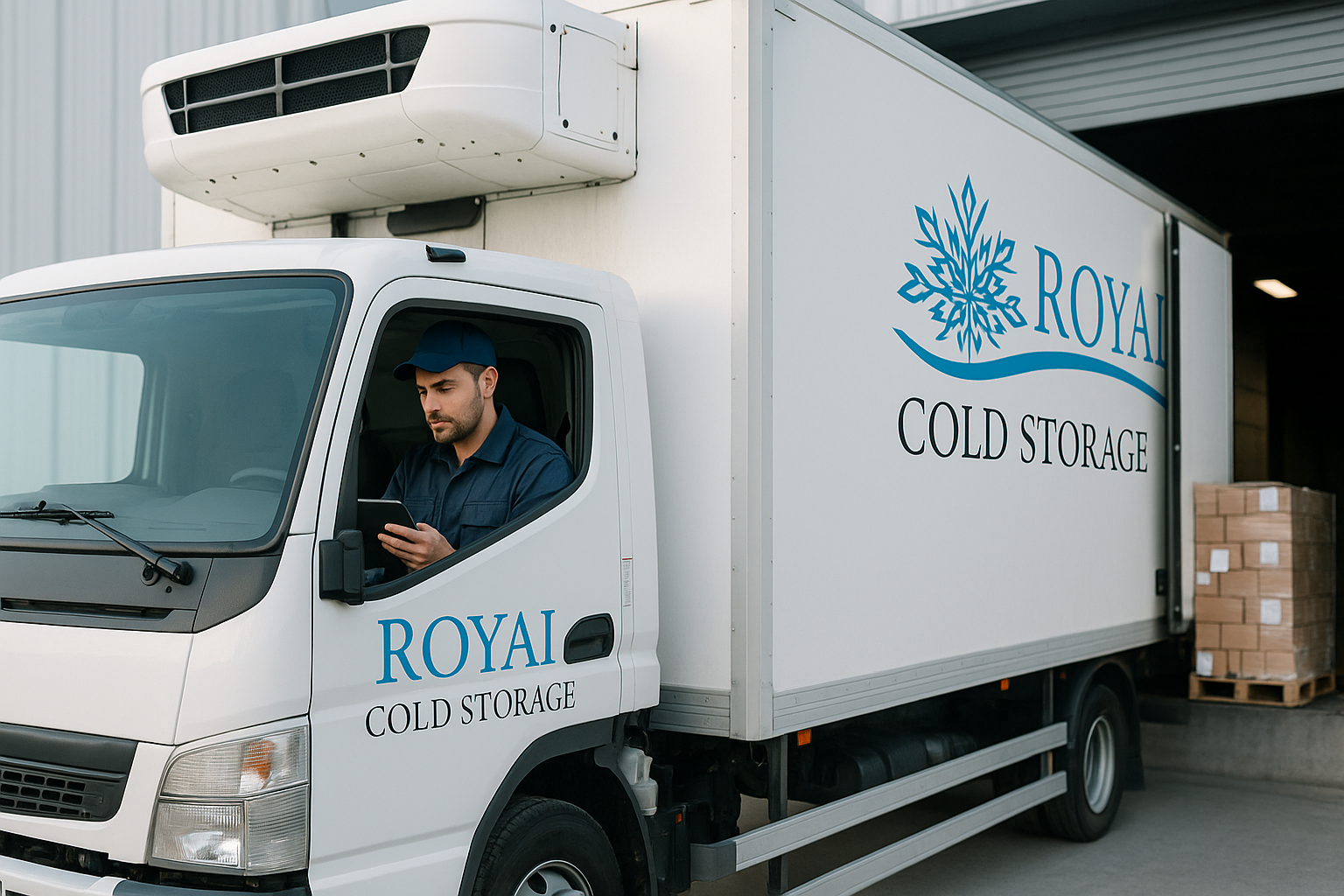
What Are the Different Types of Drayage Services?
In the complex world of logistics, drayage may seem like a small part of the puzzle—but it’s often the key to keeping your cargo moving efficiently. Whether you're importing frozen seafood or dry goods, understanding the different types of drayage services can help you avoid costly delays,...
A Practical Guide for Shippers and Importers
In the complex world of logistics, drayage may seem like a small part of the puzzle—but it’s often the key to keeping your cargo moving efficiently. Whether you're importing frozen seafood or dry goods, understanding the different types of drayage services can help you avoid costly delays, reduce storage fees, and protect your perishable inventory.
In this post, we’ll break down the main types of drayage services, explain when to use each one, and show how Royal Foods Distribution supports your supply chain from port to warehouse.
What Is Drayage?
Drayage refers to the short-haul transportation of containers or cargo over a short distance—typically from a seaport, rail yard, or airport to a nearby warehouse, distribution center, or cold storage facility. Drayage is especially important in the first or last mile of international shipping and is commonly used for goods that arrive in ocean containers.
Why Drayage Matters
A container stuck at the port due to poor drayage coordination can lead to:
Demurrage and detention fees
Spoiled perishables (for temperature-sensitive goods)
Delayed delivery to your customers
Higher storage costs
Having the right drayage partner—and the right type of drayage—can help prevent those problems before they start.
Types of Drayage Services
Here are the six most common types of drayage, with real-world examples to help you decide which one fits your needs:
Intermodal Drayage
Used for: Moving containers between different transportation modes (ship, rail, truck) Example: Your frozen seafood shipment arrives in Oakland and needs to be moved from the port to a rail yard, then trucked to Santa Clara.
Expedited Drayage
Used for: Time-sensitive shipments that need to be moved immediately Example: A load of chilled poultry requires fast transfer to a USDA-inspected cold storage facility to avoid spoilage.
Pier Drayage
Used for: Moving containers directly from the port to a nearby warehouse Example: After customs clearance, your imported goods are drayed from the Port of Oakland to Royal Foods’ cold storage in Santa Clara.
Door-to-Door Drayage
Used for: Delivering directly from the terminal to the consignee's address Example: A seafood distributor receives a refrigerated container directly to their restaurant chain's central kitchen.
Intra-Carrier Drayage
Used for: Moving cargo within the same carrier’s terminal system Example: A container is moved from one terminal to another within the same port network to prepare for outbound transportation.
Shuttle Drayage
Used for: Temporary storage or when terminals are full Example: During port congestion, your container is moved to an off-site yard until space is available at the final receiving warehouse.
How to Choose the Right Type of Drayage
Choosing the right drayage solution depends on:
Type of cargo (perishable vs. non-perishable)
Required speed (same-day delivery vs. standard transfer)
Port location and congestion
Regulatory requirements (USDA/FDA inspections)
If you're importing perishable goods, time and temperature are critical. That’s where integrated cold storage and drayage services—like those offered by Royal Foods Distribution—make a big difference.
Drayage Services at Royal Foods Distribution
Located in Santa Clara, Royal Foods specializes in:
Port-to-warehouse drayage from the Port of Oakland and surrounding terminals
USDA/FDA-inspected cold storage for up to 3000 pallets
Flexible solutions for perishable and frozen imports
On-time delivery to help avoid port fees and spoilage
Whether you need expedited handling or temporary container storage, we’ve got the infrastructure and expertise to support your cargo every step of the way.
Final Thoughts
Understanding the different types of drayage services can give your business a competitive edge—especially when dealing with imported perishables. By choosing the right drayage type and logistics partner, you reduce risk, control costs, and keep your supply chain running smoothly.
Need reliable drayage in California? Contact Royal Foods Distribution today to learn how we can streamline your port logistics and cold storage needs.
drayage services
types of drayage
what is drayage
drayage in logistics
short-distance freight transport
cold storage drayage
FDA/USDA cold storage
Need help exporting seafood to the US?
Royal Cold Storage provides end-to-end support — cold storage, transport, customs clearance, and distribution. Free quote within 24 hours.
Request a Quote →Related articles
 Warehousing & Storage
Why Warehouse Appointment Times Matter for Perishable Freight
Learn why appointment times are critical for perishable freight, how they prevent delays and spoilage, and what importers can do to avoid missed windows.
 Warehousing & Storage
Why Cold Storage Warehouses Reject Shipments: The Most Common Preventable Issues
Learn the top reasons cold storage warehouses reject perishable shipments and how importers can prevent costly delays, fees, and product refusals.
 Warehousing & Storage
How to Label Perishable Products Correctly for Smooth Cold Storage Check-In
A simple guide for importers on how to label perishable products correctly to avoid delays, repacking fees, and check-in issues at cold storage facilities.