
What Is the Regulated Pallet Height in the U.S.—And Why?
In the world of logistics, the smallest details can have the biggest impact. One such detail—often overlooked by shippers and receivers—is pallet height. While the dimensions of a standard pallet might seem straightforward, the height of a fully loaded pallet plays a critical role in determining...
In the world of logistics, the smallest details can have the biggest impact. One such detail—often overlooked by shippers and receivers—is pallet height. While the dimensions of a standard pallet might seem straightforward, the height of a fully loaded pallet plays a critical role in determining how goods move efficiently, safely, and compliantly through the supply chain.
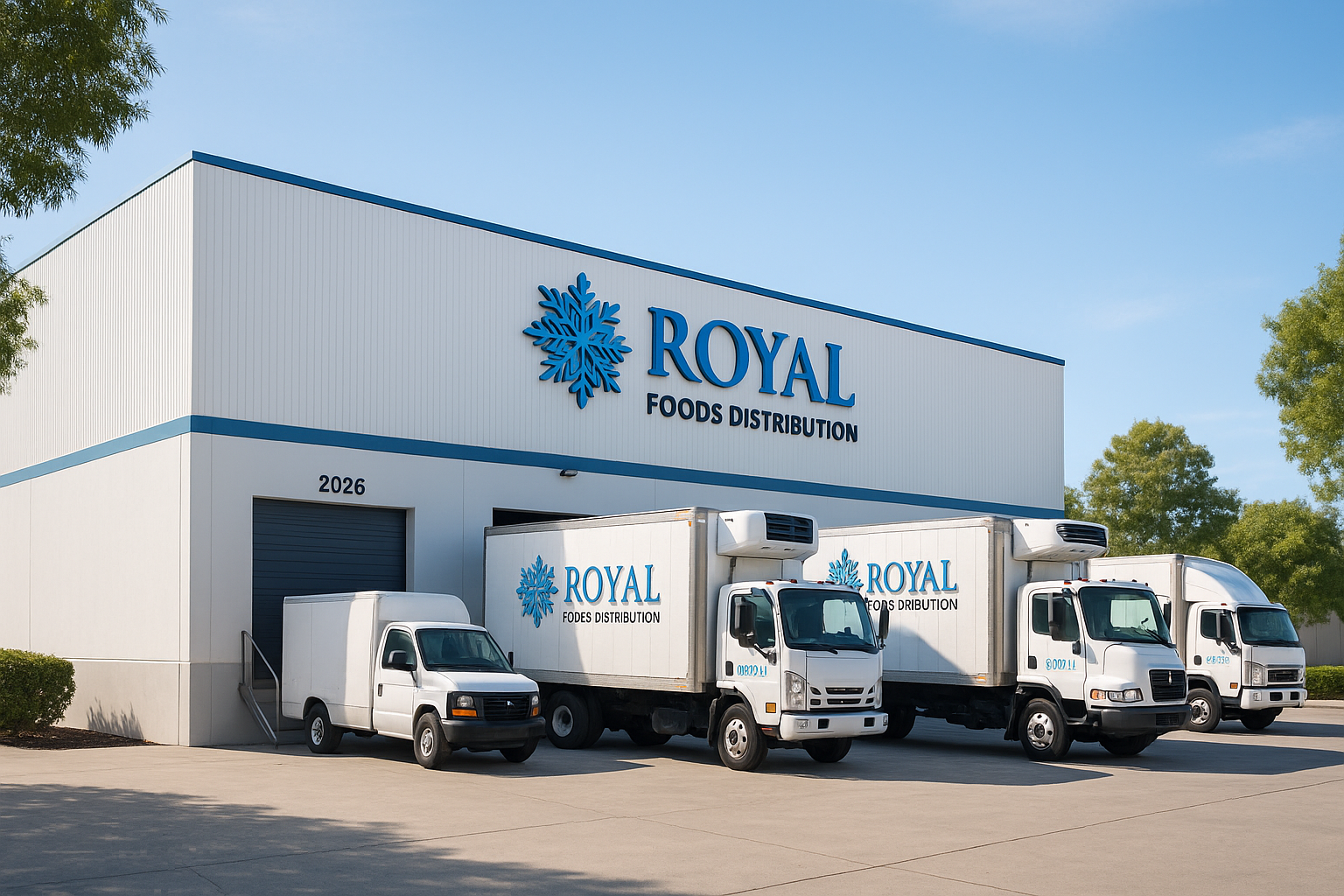
At Royal Foods Distribution, where we handle cold storage and drayage for a wide variety of regulated goods, understanding and managing pallet height is part of our daily operation. So, what exactly is the standard pallet height in the U.S., and why is it regulated the way it is?
What Is the Standard Pallet Height?
In the United States, the most commonly used pallet is the GMA (Grocery Manufacturers Association) standard pallet, which measures 48 inches long by 40 inches wide. While the pallet base itself typically measures about 5 to 6 inches in height, the overall pallet height—including the load—is often limited to between 48 and 72 inches, depending on the carrier, warehouse configuration, and type of product.
In many warehouse and freight environments, a maximum pallet height of 60 to 72 inches (including the pallet) is the accepted norm. However, some cold storage facilities, like Royal Foods, may establish specific limits based on racking design, forklift clearances, or regulatory guidelines.
Why Is Pallet Height Regulated?
Pallet height is not regulated arbitrarily—there are clear safety, efficiency, and compliance reasons behind it:
Maximizing Storage Space
In warehousing, every inch counts. Standardizing pallet height helps maximize vertical storage space, ensuring that racking systems can be used effectively without risking damage to product or infrastructure. For refrigerated or frozen goods, where cold air flow is essential, proper pallet height also ensures consistent temperature distribution.
Ensuring Load Stability
Tall or irregularly stacked pallets are more likely to become unstable during transport or handling. By capping pallet height, carriers reduce the risk of tipping, shifting, or collapse, all of which can cause product loss or injury.
Compatibility With Equipment
Forklifts, pallet jacks, and conveyor systems are designed with specific clearance tolerances. A pallet that’s too tall can become unmanageable or cause equipment malfunctions, delays, or even safety hazards.
Compliance With Transportation Standards
Truck trailers, shipping containers, and air cargo units have limited headroom. For example, a standard 53-foot dry van trailer has an interior height of approximately 110 inches. If pallets are stacked too high, they may not fit in the trailer—or worse, they might shift in transit, risking a rejected shipment or costly freight claims.
For cold chain shipments, compliance becomes even more critical. Many USDA- and FDA-regulated products are inspected during transport or upon arrival, and improper stacking or over-height pallets can trigger non-compliance, rejection, or rework. At Royal Foods, we actively monitor pallet configuration to prevent such issues.
Need Help Staying Within Pallet Height Regulations? At Royal Foods Distribution, we understand the fine balance between efficiency and compliance. Our Santa Clara cold storage facility is built to handle USDA/FDA-regulated goods with strict adherence to pallet height, load stability, and cold chain standards.
📞 Call us at (408) 560-1628 or (408) 368-0408 📍 Visit: 2026 Martin Ave, Santa Clara, CA 95050 📧 Reach out to our team to ensure your shipments are properly stacked, stored, and ready to move: [email protected]
Ship smarter. Stack safer. Partner with Royal Foods Distribution.
Need help exporting seafood to the US?
Royal Cold Storage provides end-to-end support — cold storage, transport, customs clearance, and distribution. Free quote within 24 hours.
Request a Quote →Related articles
 Cold Chain & Logistics
Cold Storage Disclaimers Explained
In cold chain logistics, misunderstandings often arise not because of poor service, but because of unclear expectations. One of the most misunderstood elements is the cold storage disclaimer.
 Warehousing & Storage
A Beginner’s Guide to Working With a Cold Storage Customer Service Team
New to cold storage? Learn how to communicate with customer service teams, what information they need, and how to avoid delays with your perishable shipments.
 Warehousing & Storage
How Cold Storage Facilities Protect Your Products During Unloading
Discover how cold storage facilities protect your perishable products during unloading—from temperature control to careful handling and fast processing.