
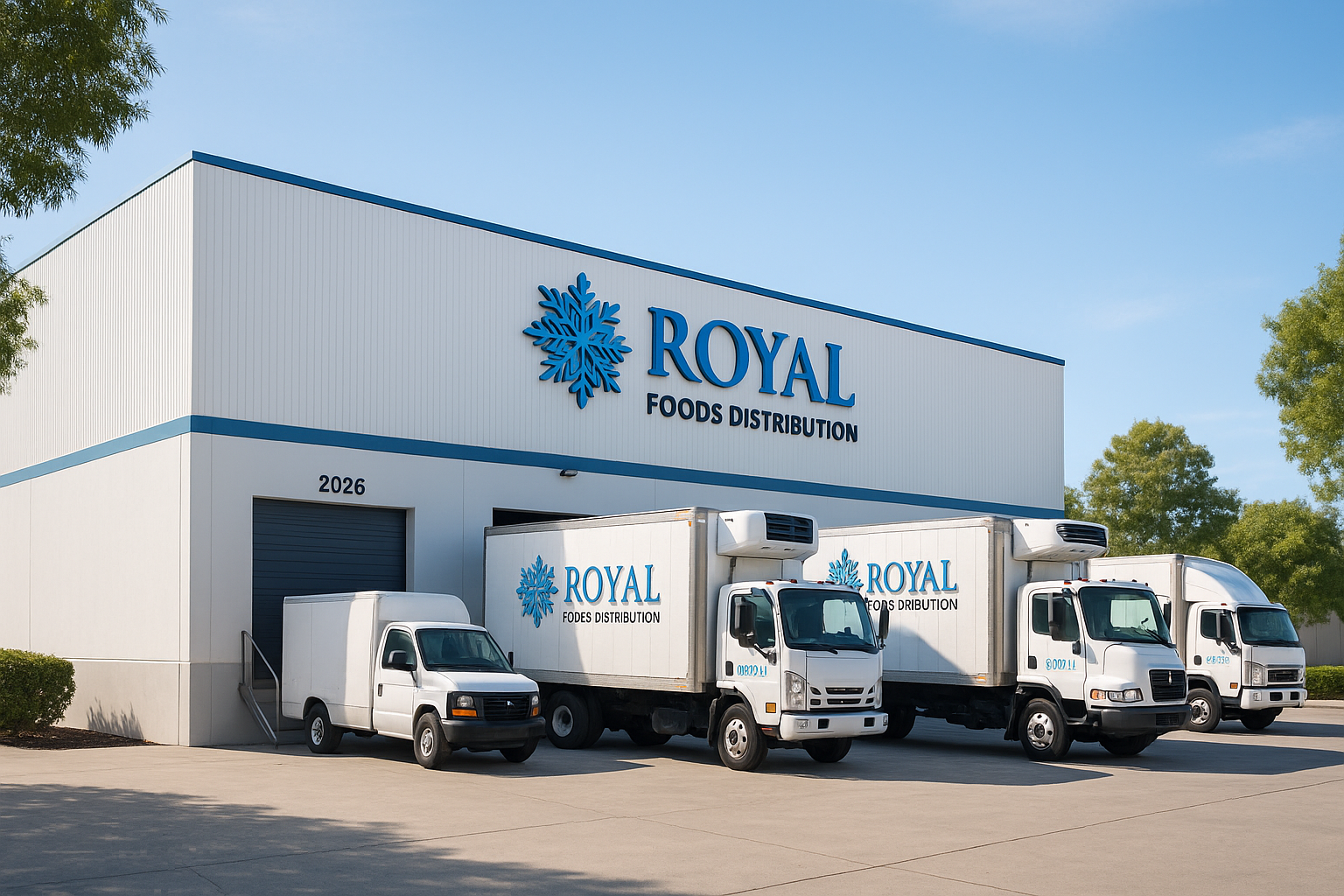
Why FDA-Approved Warehousing is Essential for High-Risk Food Imports
FDA-approved warehousing means that a facility meets the U.S. Food and Drug Administration’s strict standards for storing food products. For importers of high-risk foods — like seafood, dairy, fresh produce, and ready-to-eat meals — it’s not optional; it’s a necessity.
Why FDA-Approved Warehousing Matters for High-Risk Food Imports
What Is FDA-Approved Warehousing?
FDA-approved warehousing means that a facility meets the U.S. Food and Drug Administration’s strict standards for storing food products. For importers of high-risk foods — like seafood, dairy, fresh produce, and ready-to-eat meals — it’s not optional; it’s a necessity.
Approval is typically based on inspections and compliance with the Food Safety Modernization Act (FSMA), Hazard Analysis and Critical Control Points (HACCP), and other food safety regulations.
Why High-Risk Foods Require Extra Care
High-risk foods are more prone to bacterial growth, spoilage, and contamination. Examples include:
Fresh or frozen seafood
Meat and poultry
Dairy products
Leafy greens and sprouts
Prepared or cooked foods
If these products aren’t stored under precise conditions, they can quickly become unsafe — leading to recalls, fines, and reputational damage.
5 Reasons FDA-Approved Warehousing Matters
Regulatory Compliance
For certain imports, FDA compliance isn’t just recommended — it’s required. If your shipment is selected for FDA inspection and your warehouse isn’t compliant, you could face delays, holds, or even destruction of goods.
Temperature Integrity
FDA-approved warehouses must have documented procedures for monitoring and maintaining proper temperatures. This ensures your frozen seafood stays frozen, your dairy stays refrigerated, and your produce stays crisp.
Reduced Risk of FDA Holds
Using a compliant facility can speed up the “Hold and Release” process during inspections because the warehouse already meets FDA standards. That means less time your container sits at the port.
Traceability and Recordkeeping
FDA-compliant facilities maintain lot tracking, shipment logs, and receiving documentation — all of which make it easier to trace any issues and prove compliance during audits.
Brand Protection
If a contamination issue occurs, FDA-approved warehouses can provide proof that proper storage conditions were maintained. This can be crucial in protecting your business from liability and safeguarding your brand’s reputation.
How Royal Foods Meets FDA Standards
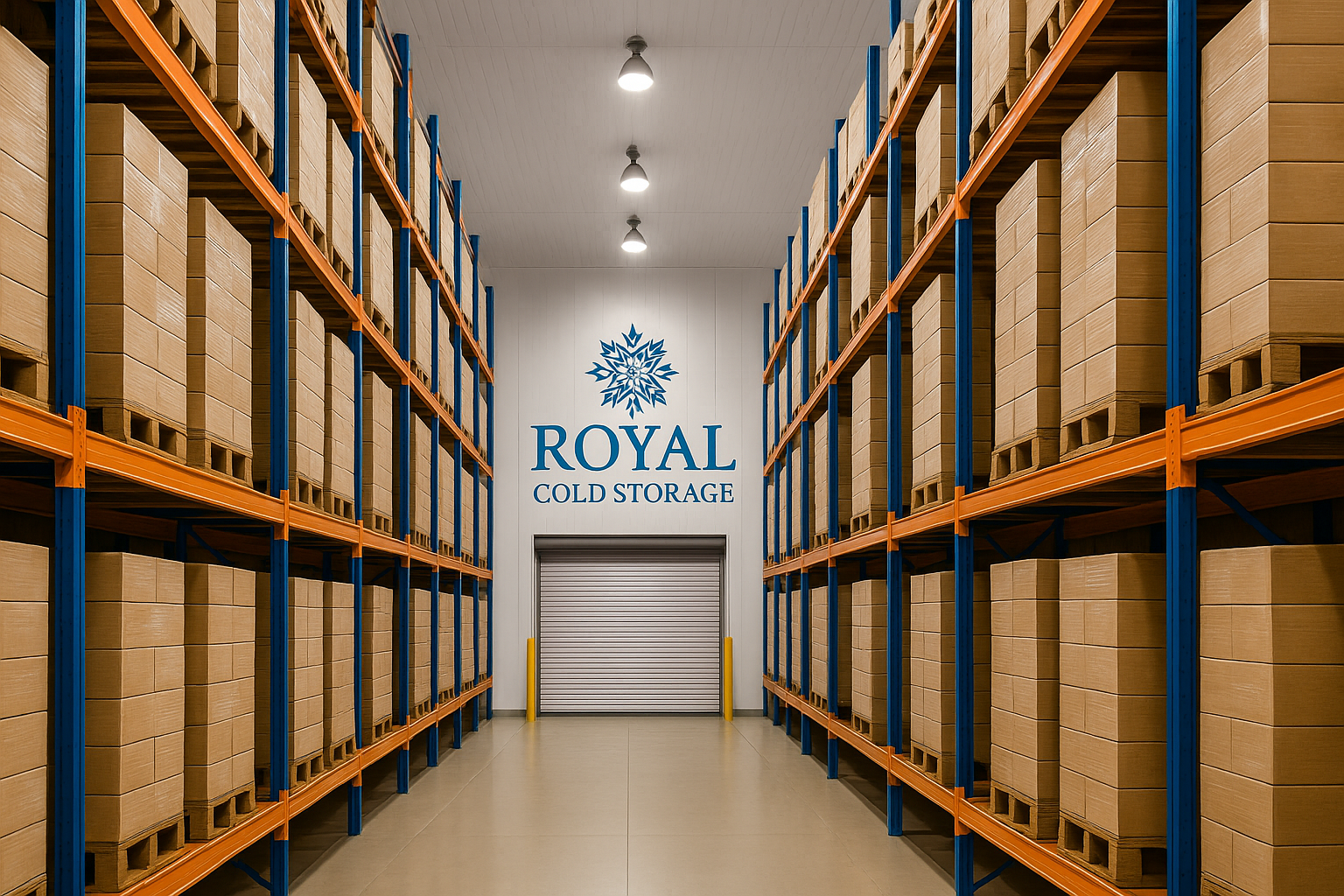
At Royal Foods Distribution, our cold storage facility in Santa Clara, CA is FDA-registered and compliant with FSMA and HACCP guidelines. We:
Maintain strict temperature monitoring 24/7
Provide secure and sanitary handling areas
Keep detailed receiving, storage, and release records
Support FDA and USDA inspections directly at our facility or nearby inspection sites
This means your high-risk food imports — from seafood to ready-to-eat meals — are stored safely and in full compliance with U.S. regulations.
Final Takeaway
For high-risk food imports, FDA-approved warehousing is more than a box to check — it’s your first line of defense against spoilage, non-compliance, and brand damage.
Choosing the right facility can protect your shipment, your reputation, and your bottom line.
📦 Contact Royal Foods Distribution Today
Protect your high-risk food imports with FDA-approved cold storage and efficient drayage. We’ll move your cargo from port to compliant storage in hours, not days.
📞 Phone: (408) 560-1628 or (408) 368-0408 📧 Email: [email protected] 📍 Address: 2026 Martin Ave, Santa Clara, CA 95050, USA
Need help exporting seafood to the US?
Royal Cold Storage provides end-to-end support — cold storage, transport, customs clearance, and distribution. Free quote within 24 hours.
Request a Quote →Related articles
 Warehousing & Storage
Why Warehouse Appointment Times Matter for Perishable Freight
Learn why appointment times are critical for perishable freight, how they prevent delays and spoilage, and what importers can do to avoid missed windows.
 Warehousing & Storage
Why Cold Storage Warehouses Reject Shipments: The Most Common Preventable Issues
Learn the top reasons cold storage warehouses reject perishable shipments and how importers can prevent costly delays, fees, and product refusals.
 Warehousing & Storage
How to Label Perishable Products Correctly for Smooth Cold Storage Check-In
A simple guide for importers on how to label perishable products correctly to avoid delays, repacking fees, and check-in issues at cold storage facilities.