
COLD-CHAIN LOGISTICS KNOWLEDGE
Latest updates on FDA & customs regulations, cold-chain logistics, and port and drayage trends.
 Customs & Compliance
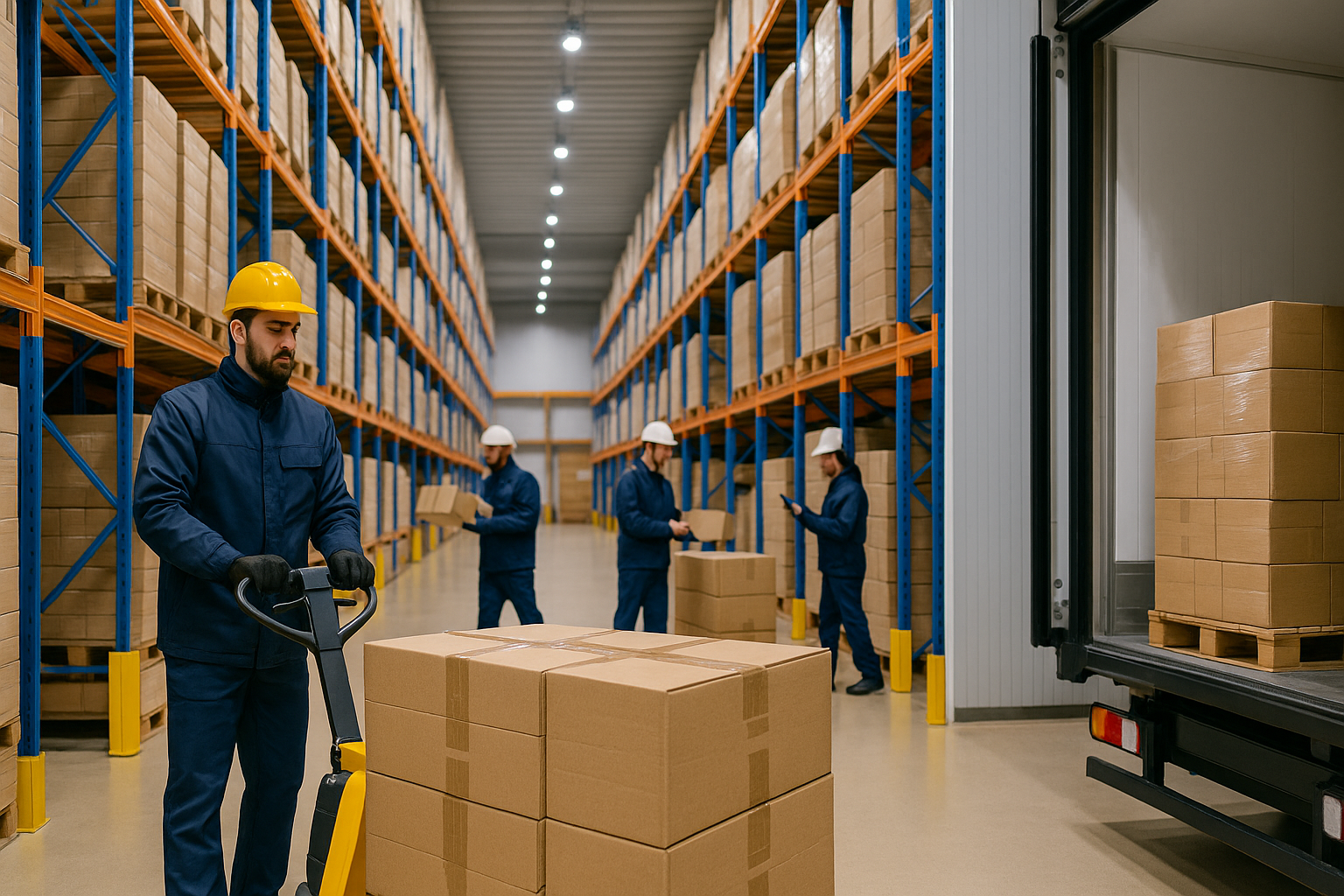
What Customs Inspectors Check in Perishable Shipments
Understand what U.S. Customs, FDA, and USDA inspectors look for in perishable food shipments — and how to prepare your reefer cargo for fast clearance.
 Customs & Compliance
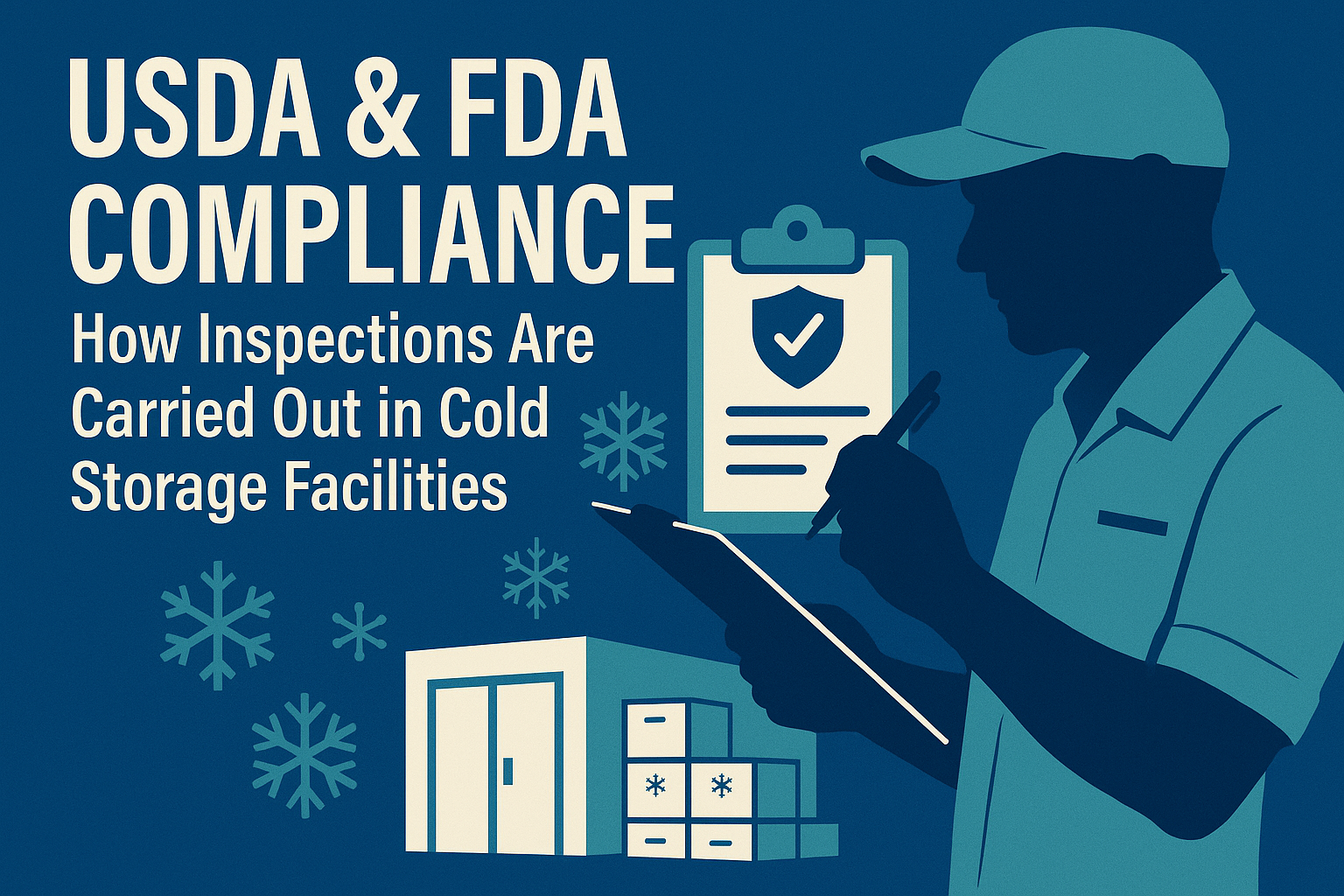
How to Test Reefer Unit Temperature Before Port Pickup
Learn the step-by-step process to test a reefer unit’s temperature before port pickup to ensure cargo stays within FDA and USDA cold-chain limits.
 Warehousing & Storage
Short-Term Cold Storage with Value-Added Support
When importers face delays at port, unexpected USDA or FDA holds, or last-minute buyer changes, the need for short-term cold storage becomes urgent. But storage alone isn’t enough. What keeps shipments moving is a facility that also offers value-added services (VAS) — from repacking to...
 Customs & Compliance
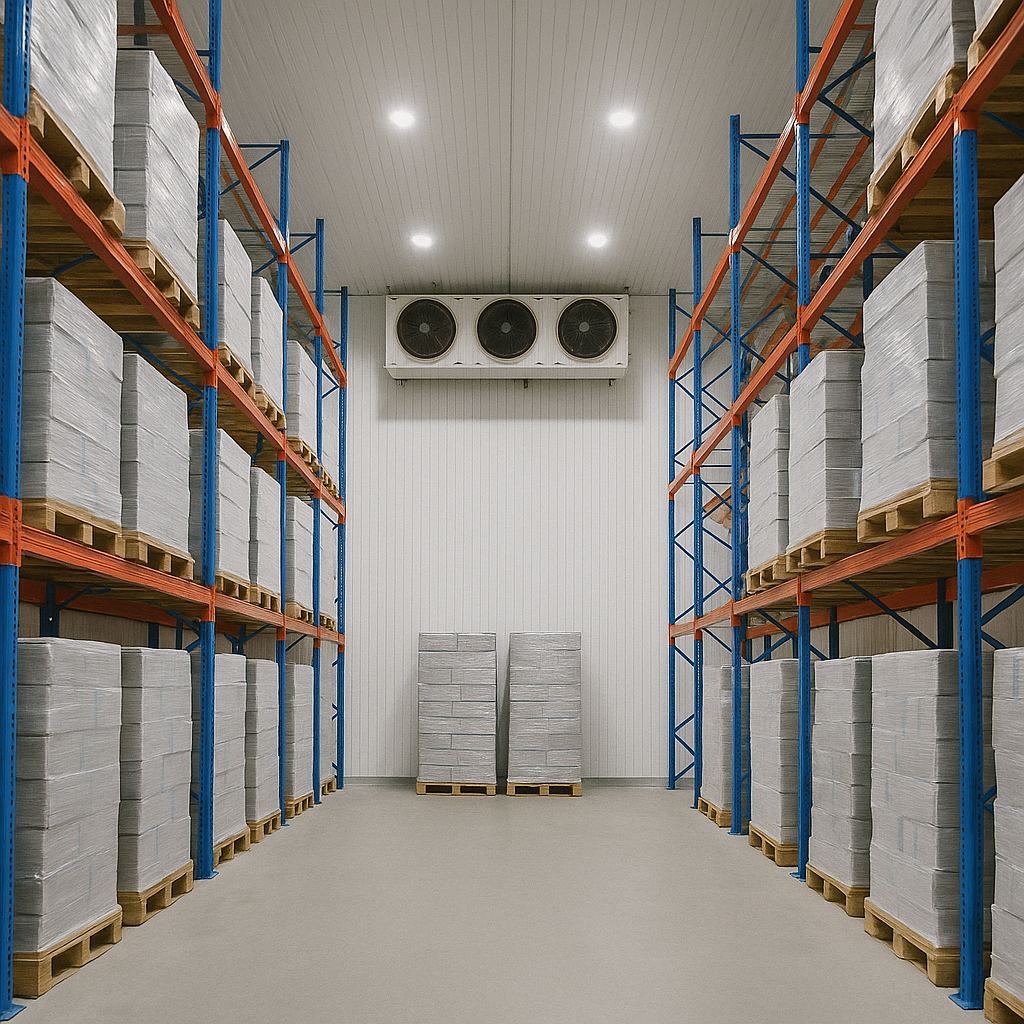
The Role of Customs Brokers in Perishable Food Imports
Discover how customs brokers help speed up perishable imports, navigate FDA clearance, and handle USDA inspections. Learn why Royal Cold Storage partners with experienced brokers.
 Customs & Compliance
How to Verify USDA and FDA Compliance in Cold Storage Facilities
When you import perishable goods like meat, seafood, produce, or dairy, storing them in a USDA- and FDA-compliant warehouse isn’t optional — it’s required by law in many cases. Choosing a facility that meets these standards ensures:
 Customs & Compliance
Why FDA-Approved Warehousing is Essential for High-Risk Food Imports
FDA-approved warehousing means that a facility meets the U.S. Food and Drug Administration’s strict standards for storing food products. For importers of high-risk foods — like seafood, dairy, fresh produce, and ready-to-eat meals — it’s not optional; it’s a necessity.
 Customs & Compliance
What Are Pallet Grades? A Guide for Food Importers and Cold Storage Clients
Learn what pallet grades mean and why they matter in cold storage logistics. Discover which pallet types are safe for food imports, FDA inspections, and USDA warehouses.
 Customs & Compliance
How to Book Drayage from U.S. Ports: A Complete Guide for Importers
Learn how to book drayage from U.S. ports for perishable goods. Includes step-by-step process, key considerations, and how reefer drayage supports cold chain logistics.
 Customs & Compliance
What Happens If Your Container Fails FDA Inspection? A Complete Guide for Importers
Learn what happens when your container fails an FDA inspection, including consequences, appeals, costs, and how to prevent future issues. Ideal for importers of perishable goods.