
COLD-CHAIN LOGISTICS KNOWLEDGE
Latest updates on FDA & customs regulations, cold-chain logistics, and port and drayage trends.
 Cold Chain & Logistics
How to Use Cargo Insurance for Perishable Freight Claims
Discover how cargo insurance protects perishable freight, what’s covered, and how to file claims. Royal Cold Storage explains how to safeguard refrigerated shipments.
 Cold Chain & Logistics
What Importers Should Know About Pre-Cooling Containers
Learn why pre-cooling reefer containers is critical for perishable imports. Royal Cold Storage explains the process, benefits, and how it safeguards cold chain shipments.
 Cold Chain & Logistics
What Is an Arrival Notice and Why It Matters for Perishable Cargo
Learn what an arrival notice is, how it impacts perishable imports, and why quick action is crucial to prevent spoilage. Royal Cold Storage explains timelines and best practices.
 Customs & Compliance
The Role of Customs Brokers in Perishable Food Imports
Discover how customs brokers help speed up perishable imports, navigate FDA clearance, and handle USDA inspections. Learn why Royal Cold Storage partners with experienced brokers.
 Cold Chain & Logistics
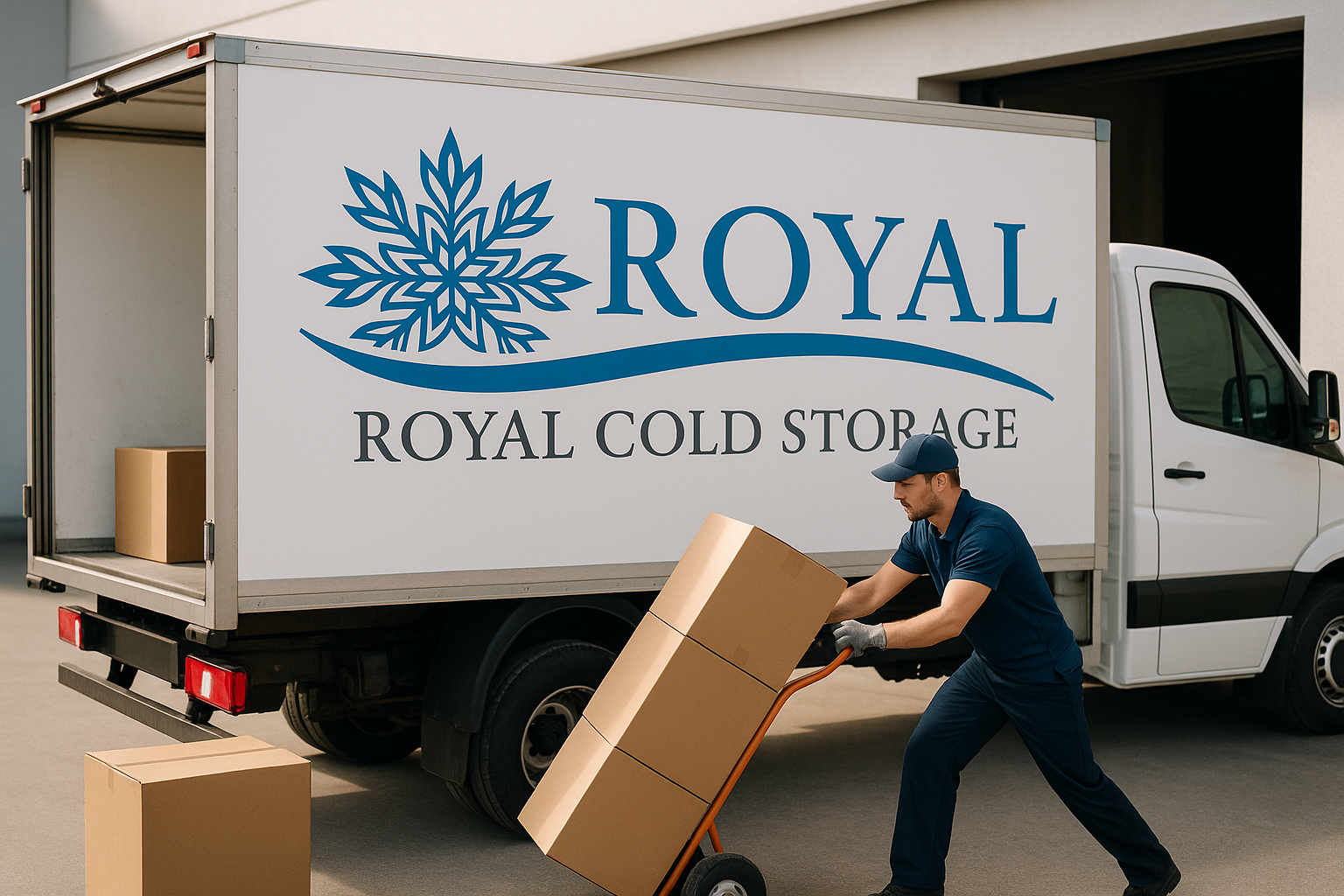
What Information to Give Cold Storage Before Shipment Arrival
In cold chain logistics, preparation is everything. The more information your cold storage provider has before your shipment arrives, the faster they can:
 Customs & Compliance
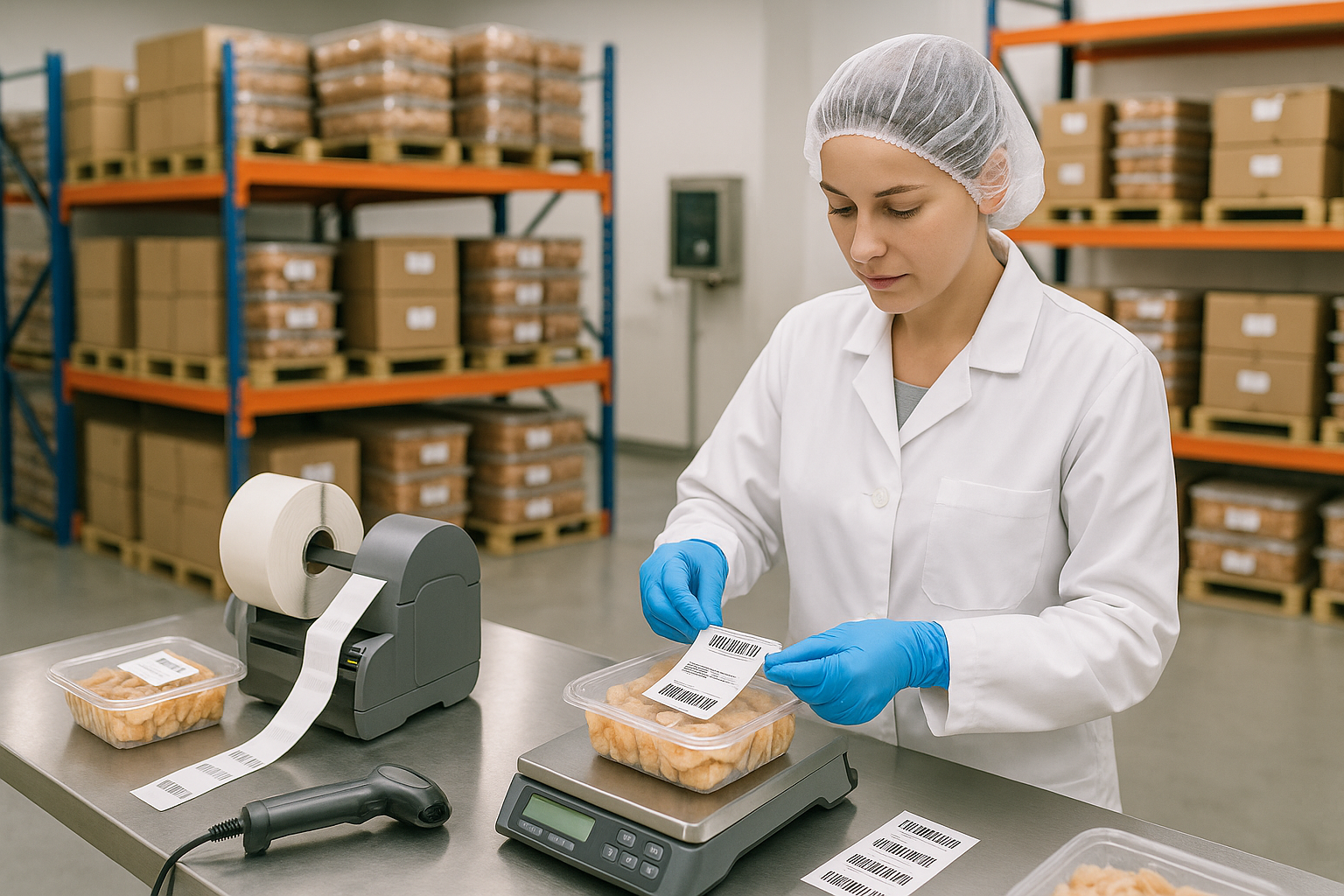
How to Verify USDA and FDA Compliance in Cold Storage Facilities
When you import perishable goods like meat, seafood, produce, or dairy, storing them in a USDA- and FDA-compliant warehouse isn’t optional — it’s required by law in many cases. Choosing a facility that meets these standards ensures:
 Drayage
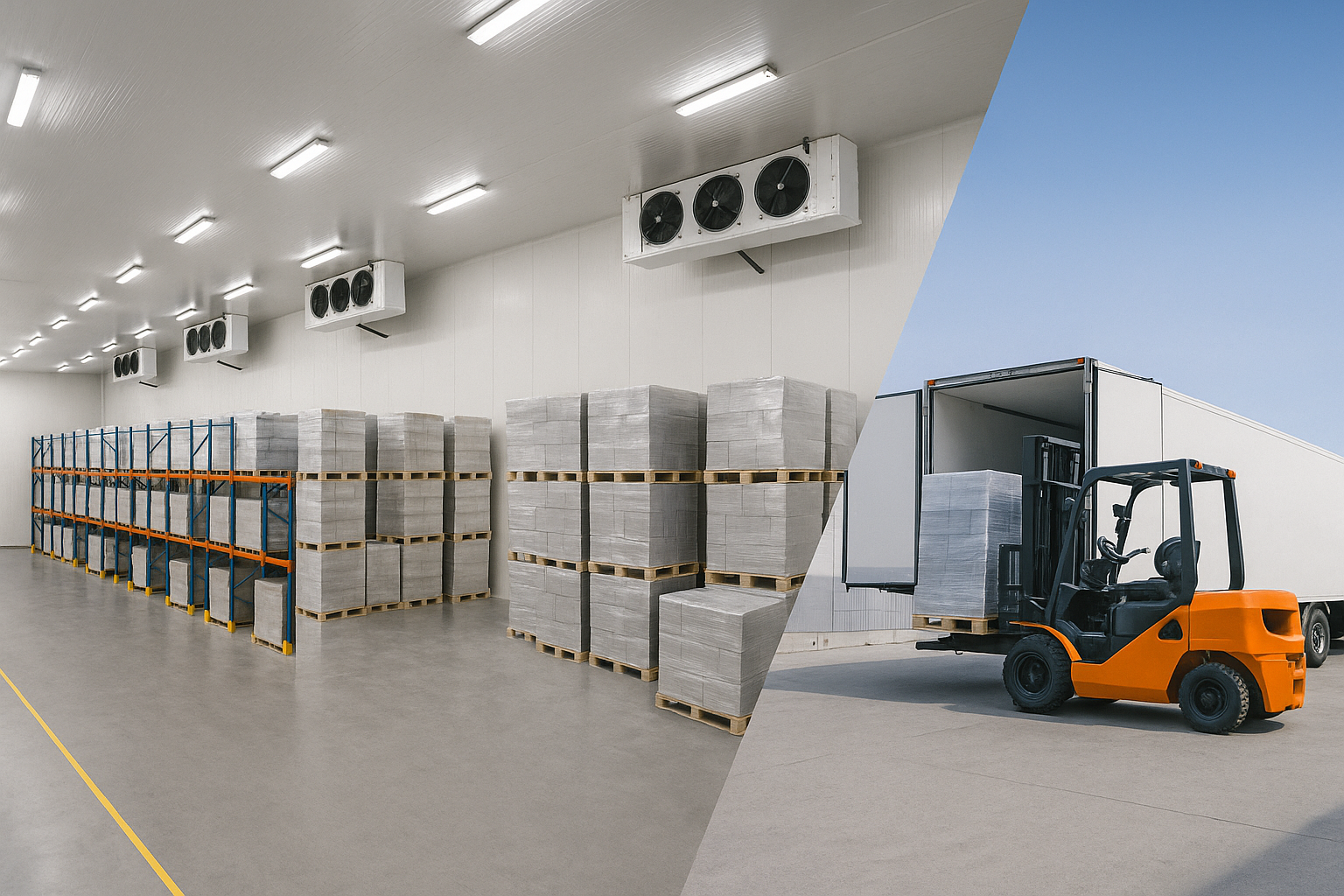
The Benefits of Using One Provider for Drayage and Cold Storage
If you import perishable goods, every minute between port arrival and cold storage matters. Using separate vendors for drayage (container trucking) and cold storage often means extra coordination, more handoffs, and higher risks of delays.
 Drayage
What Is a Reefer Plug-in Point and Why It Matters at Ports
When it comes to refrigerated cargo, timing and temperature are everything. But what happens when your reefer container arrives at port—and you can’t move it right away?
 Cold Chain & Logistics
How to Manage Product Recalls in a Cold Chain Environment
Product recalls are challenging in any industry—but in the cold chain, the stakes are even higher. Perishable goods are time- and temperature-sensitive, and a delayed response can lead to widespread spoilage, regulatory violations, or reputational harm.