
COLD-CHAIN LOGISTICS KNOWLEDGE
Latest updates on FDA & customs regulations, cold-chain logistics, and port and drayage trends.
 Cold Chain & Logistics
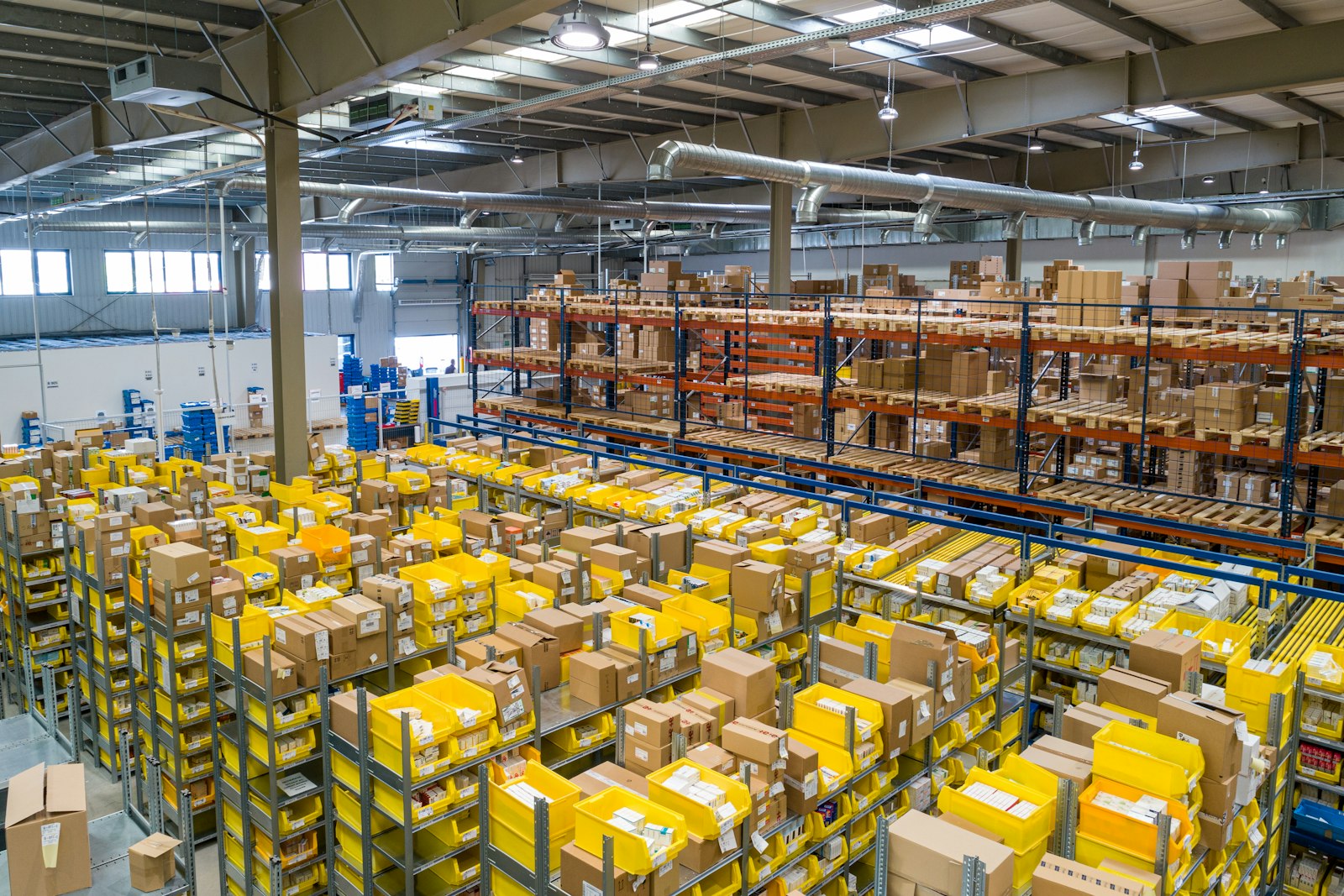
How to Manage Product Recalls in a Cold Chain Environment
Product recalls are challenging in any industry—but in the cold chain, the stakes are even higher. Perishable goods are time- and temperature-sensitive, and a delayed response can lead to widespread spoilage, regulatory violations, or reputational harm.
 Cold Chain & Logistics
Cold Storage Insurance 101: What’s Covered and What’s Not
When you're storing high-value or perishable goods—like frozen seafood, dairy, or produce—in a temperature-controlled warehouse, insurance isn't just a formality. It's a crucial part of your risk management strategy. But not all cold storage insurance policies are created equal,...
 Cold Chain & Logistics
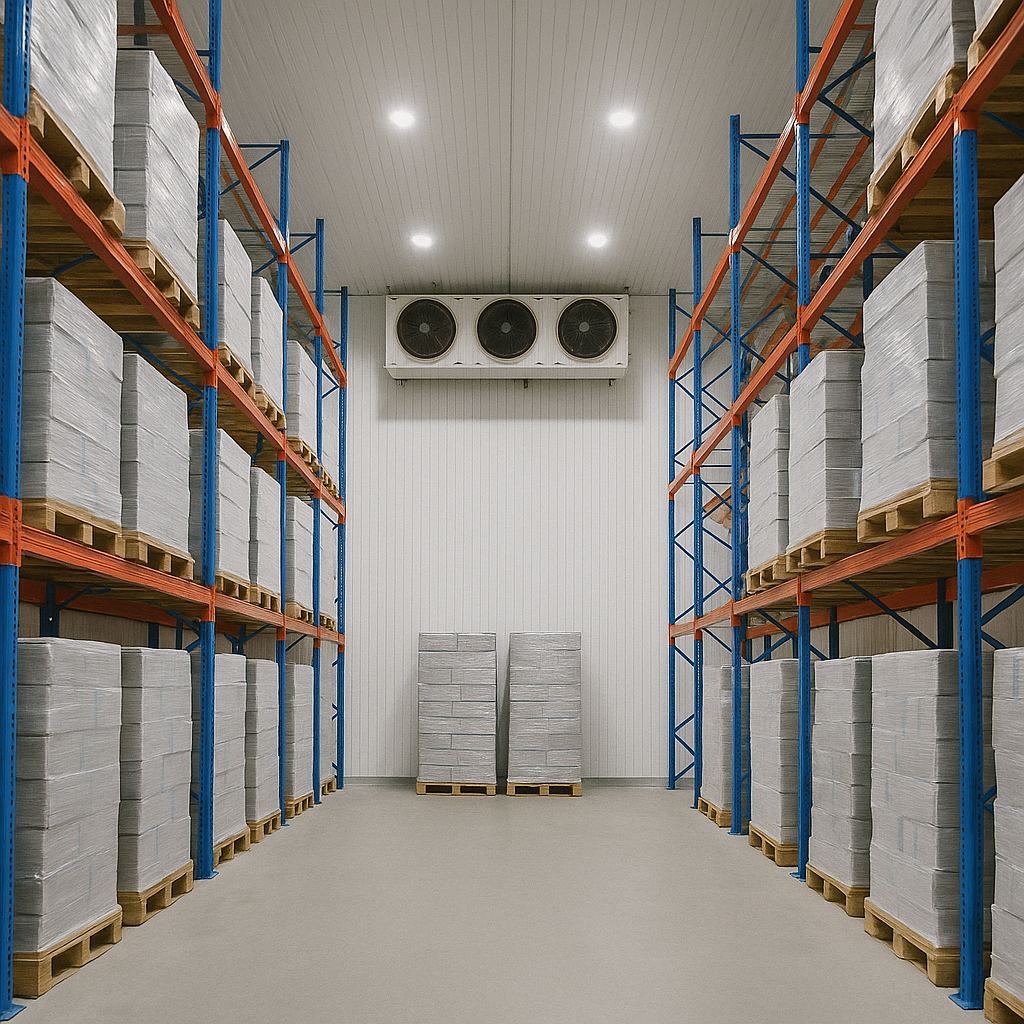
Why Airflow Matters in Refrigerated Warehousing | Cold Storage Best Practices
Learn how proper airflow in cold storage protects product temperature, reduces spoilage risk, and ensures compliance with food safety standards.
 Cold Chain & Logistics
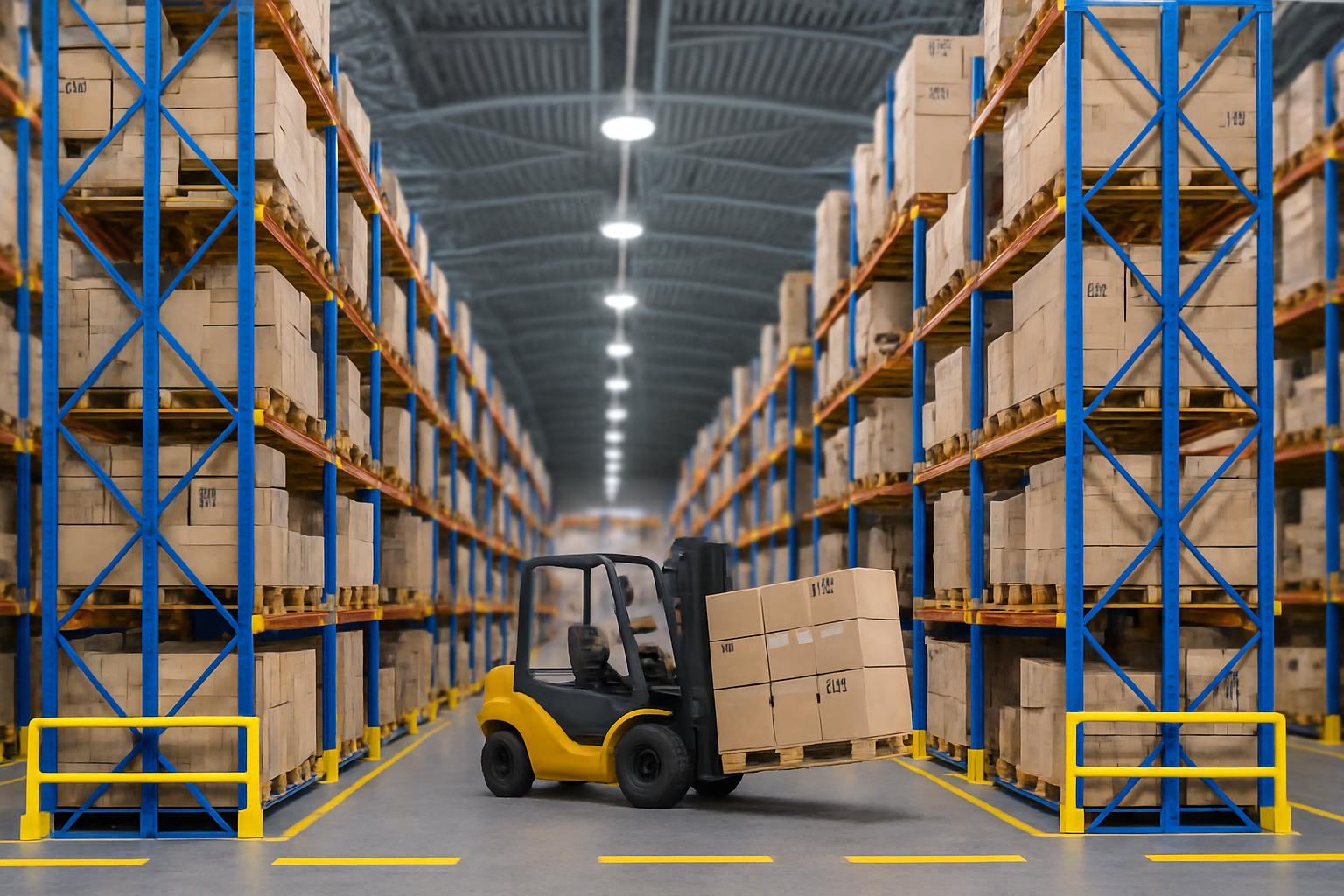
How Cold Storage Uses Dock Seals and Air Curtains to Maintain Temperature Integrity
In cold storage, temperature consistency isn't just a feature—it's the foundation of food safety and product quality. Every second a truck door is open is a chance for heat, moisture, or airborne contaminants to breach your cold chain.
Cold Chain & LogisticsCan AI and Sensors Prevent the Next Cold Chain Breakdown?
Cold chain failures cost millions. Discover how AI, real-time sensors, and predictive data can prevent spoilage, delays, and non-compliance in perishable logistics.
Cold Chain & LogisticsHow to Avoid Demurrage with Quick Transfer to Cold Storage
Demurrage charges can pile up fast when your reefer container sits at port too long. These penalties—charged by the terminal—can start within 48–72 hours of container discharge. When you’re handling perishables like meat, produce, or frozen seafood, time isn’t just money—it's product integrity.
 Cold Chain & Logistics
Best Cold Storage for Mixed Loads: Produce, Meat, and Frozen
Not all cold storage warehouses are designed to handle mixed loads—especially when your shipment includes highly perishable products with different temperature requirements like fresh produce, raw meat, and frozen seafood. Using the wrong facility can result in cross-contamination, spoilage, and...
Cold Chain & LogisticsWhat Cold Chain Services Do I Need for Importing Frozen Seafood?
Importing frozen seafood requires a tightly controlled cold chain process from port to storage. With temperature-sensitive freight like fish and shellfish, even brief exposure to heat or delay in transfer can lead to spoilage, loss, and costly regulatory setbacks. To safeguard your shipment and...
 Cold Chain & Logistics
Do I Need Cold Storage After Port Delivery? Here’s How to Decide
Wondering if you need cold storage after your container arrives at port? Learn how to decide based on product type, timing, and cold chain risks.