
COLD-CHAIN LOGISTICS KNOWLEDGE
Latest updates on FDA & customs regulations, cold-chain logistics, and port and drayage trends.
 Customs & Compliance
The Role of Customs Brokers in Perishable Food Imports
Discover how customs brokers help speed up perishable imports, navigate FDA clearance, and handle USDA inspections. Learn why Royal Cold Storage partners with experienced brokers.
 Customs & Compliance
How to Verify USDA and FDA Compliance in Cold Storage Facilities
When you import perishable goods like meat, seafood, produce, or dairy, storing them in a USDA- and FDA-compliant warehouse isn’t optional — it’s required by law in many cases. Choosing a facility that meets these standards ensures:
 Customs & Compliance
Why FDA-Approved Warehousing is Essential for High-Risk Food Imports
FDA-approved warehousing means that a facility meets the U.S. Food and Drug Administration’s strict standards for storing food products. For importers of high-risk foods — like seafood, dairy, fresh produce, and ready-to-eat meals — it’s not optional; it’s a necessity.
 Customs & Compliance
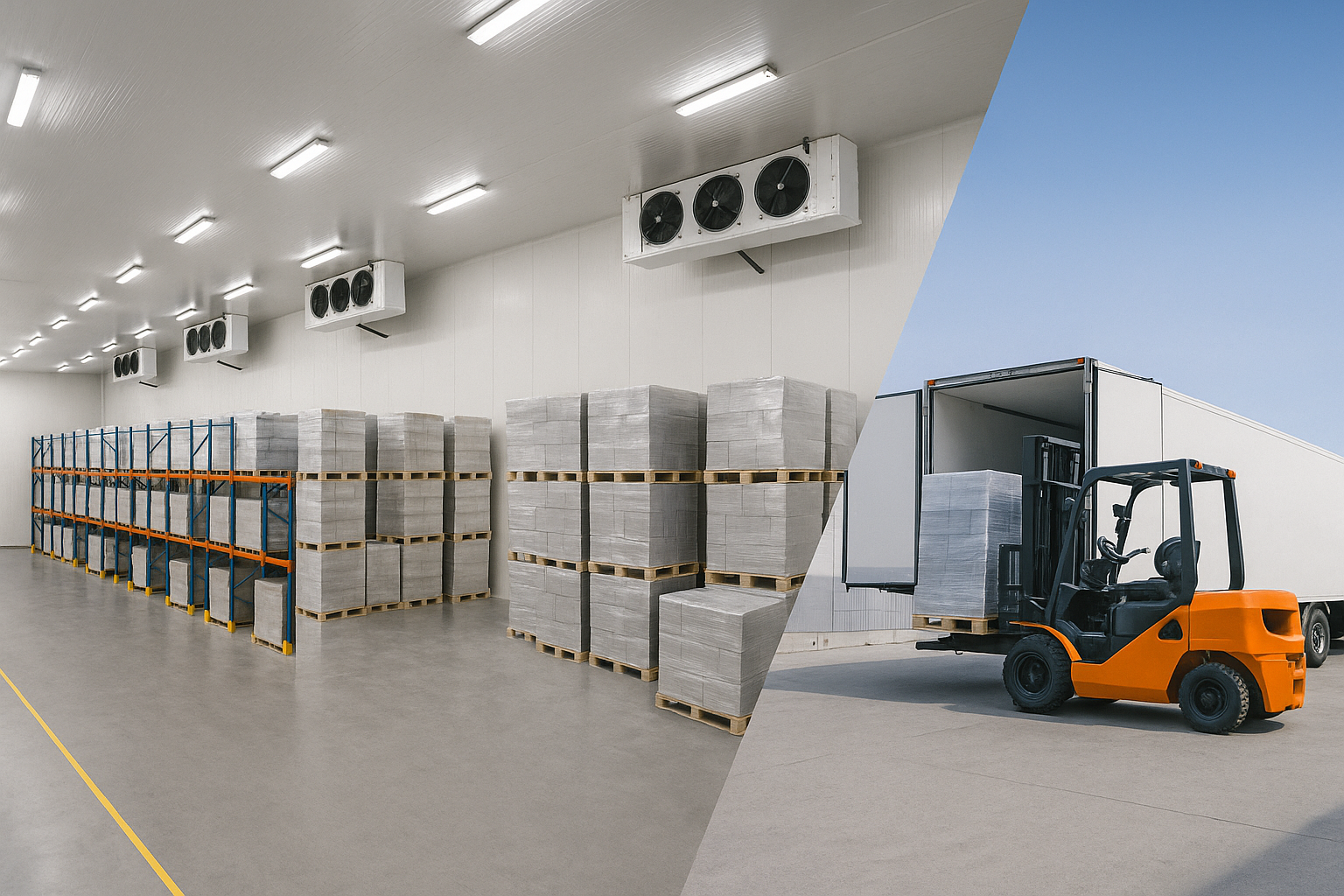
What Are Pallet Grades? A Guide for Food Importers and Cold Storage Clients
Learn what pallet grades mean and why they matter in cold storage logistics. Discover which pallet types are safe for food imports, FDA inspections, and USDA warehouses.
 Customs & Compliance
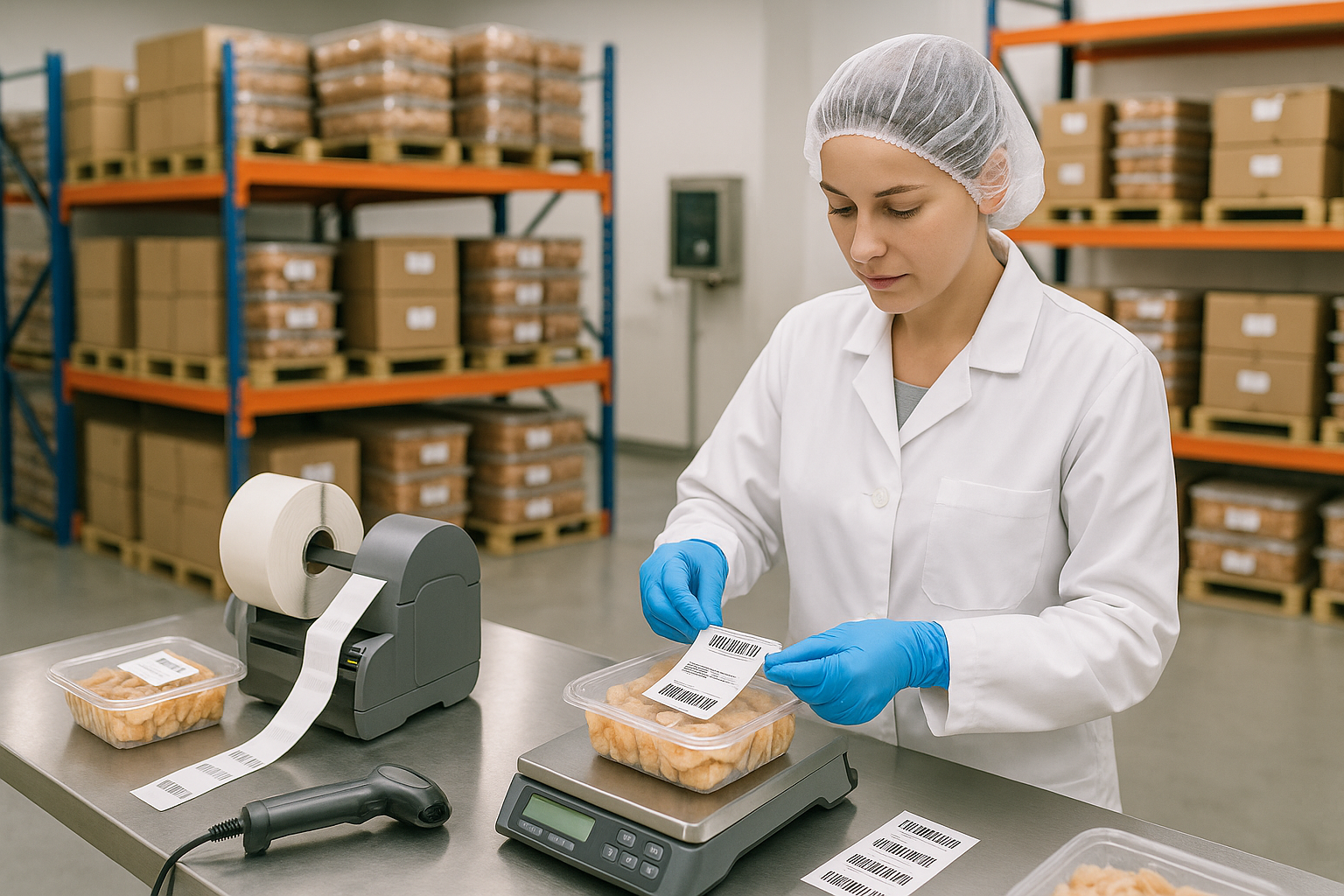
Cold Storage Facilities with USDA Inspection Near Oakland Intl Container Terminal
Need USDA-compliant cold storage near the Port of Oakland? Learn how to choose an inspection-ready warehouse to protect your perishable imports.
 Customs & Compliance
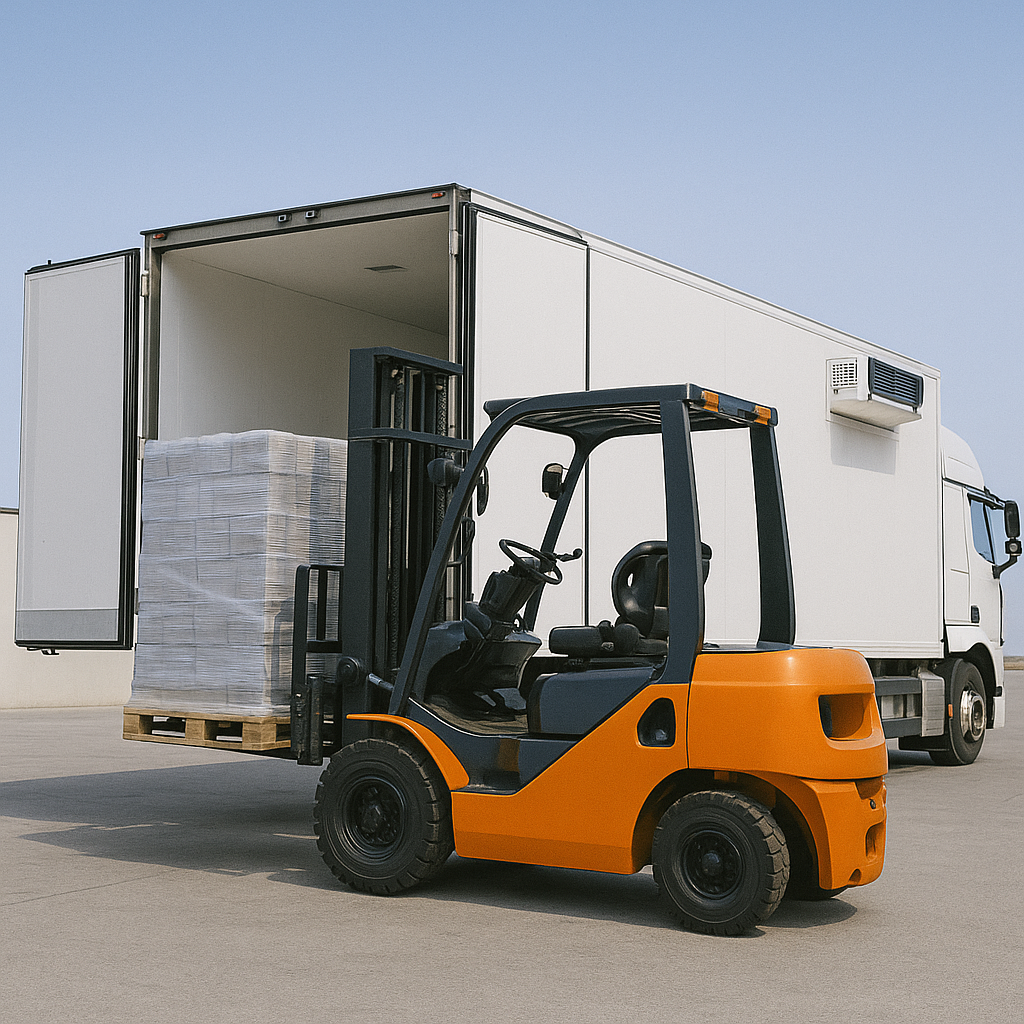
What to Look for in a Cold Storage Facility Near Major U.S. Ports
Need cold storage near a U.S. port? Learn what to look for in a compliant, well-equipped cold storage facility to protect your perishable imports.
Customs & ComplianceHow Do You Stay USDA-Compliant When Importing Meat and Seafood?
Importing meat and seafood into the United States is a highly regulated process—and for good reason. Ensuring product safety, quality, and traceability is essential to protect consumers and maintain public health. For importers, staying USDA-compliant isn't just about avoiding penalties;...
Customs & ComplianceWhat Documents Are Required for Perishable Imports Through the U.S.?
Importing perishable goods into the United States isn’t just about fast shipping and proper refrigeration—it also requires meticulous documentation. Whether you're bringing in frozen seafood, fresh produce, dairy, or meats, missing or incomplete paperwork can lead to customs delays,...
 Customs & Compliance
What Are the Steps to Import Perishables Through U.S. Ports?
Importing perishable goods—such as seafood, dairy, produce, and meats—into the U.S. is a delicate and highly regulated process. With strict requirements from agencies like the USDA, FDA, and U.S. Customs and Border Protection (CBP), businesses must ensure every step is handled with precision. In...