
COLD-CHAIN LOGISTICS KNOWLEDGE
Latest updates on FDA & customs regulations, cold-chain logistics, and port and drayage trends.
 Customs & Compliance
What to Look for in a Cold Storage Facility Near Major U.S. Ports
Need cold storage near a U.S. port? Learn what to look for in a compliant, well-equipped cold storage facility to protect your perishable imports.
 Cold Chain & Logistics
What Is a Customs Exam Hold and How Does It Affect Cold Chain Freight?
Importers of perishable goods know that timing is everything. When moving temperature-sensitive cargo through U.S. ports, any delay — especially due to customs — can disrupt the cold chain and compromise product integrity. One of the most common and disruptive delays is a customs exam hold. In...
 Drayage
Top Mistakes to Avoid When Booking Reefer Drayage Services
In the highly sensitive world of cold chain logistics, reefer drayage plays a critical role in maintaining product integrity from port to final destination. Whether you're moving frozen seafood, dairy, produce, or pharmaceuticals, even minor missteps in the drayage process can lead to...
 Customs & Compliance
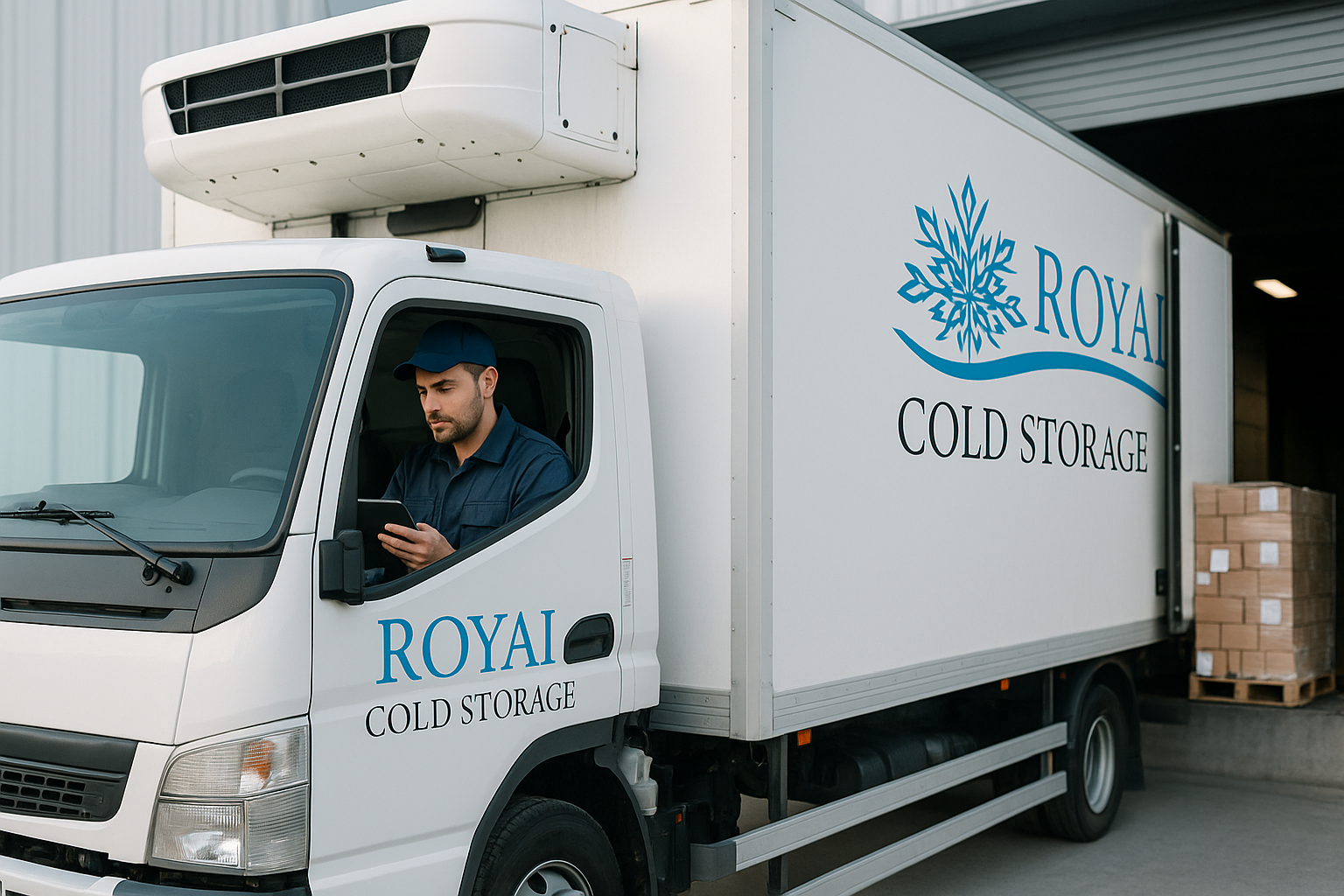
How Do You Stay USDA-Compliant When Importing Meat and Seafood?
Importing meat and seafood into the United States is a highly regulated process—and for good reason. Ensuring product safety, quality, and traceability is essential to protect consumers and maintain public health. For importers, staying USDA-compliant isn't just about avoiding penalties;...
 Drayage
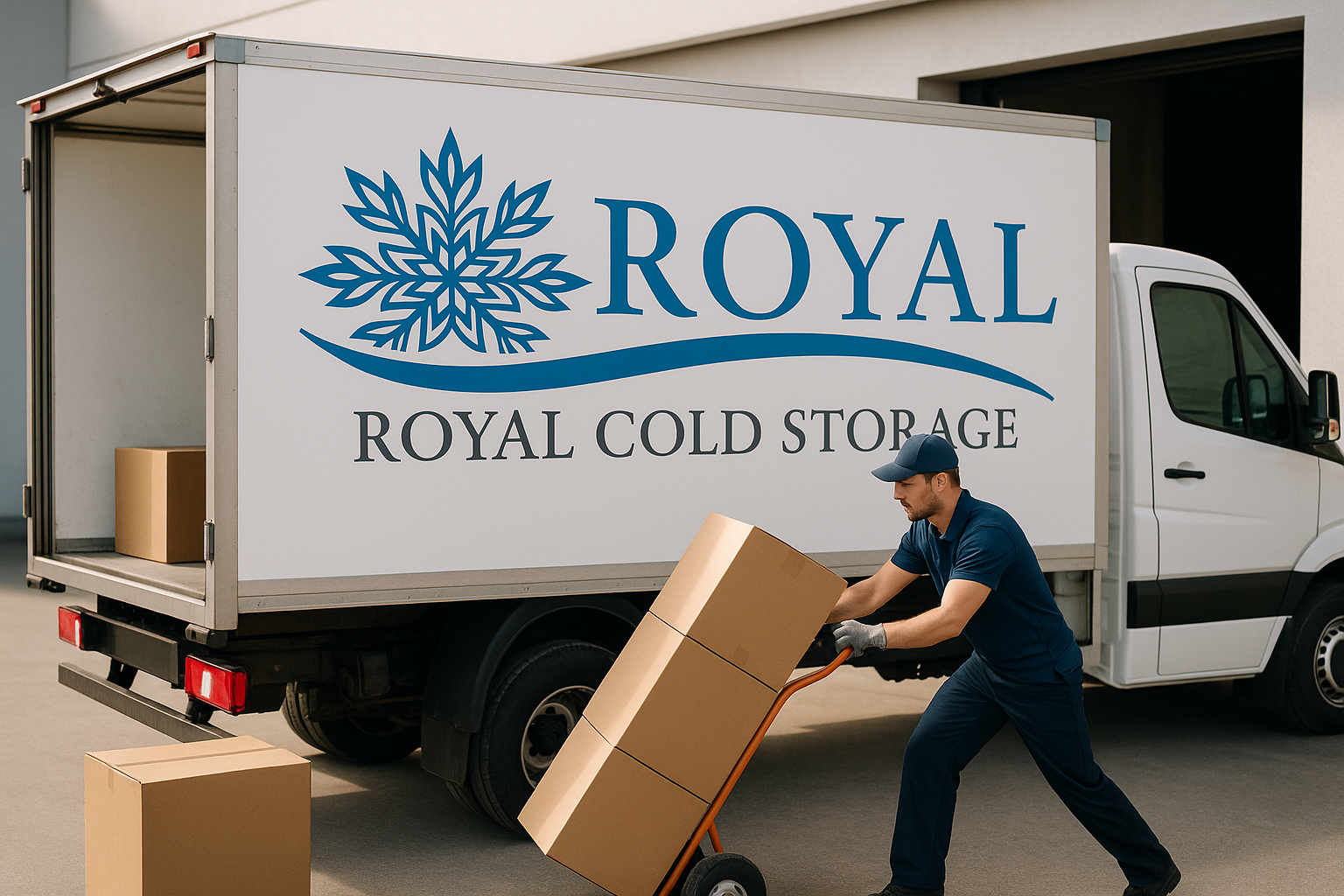
What Are the Different Types of Drayage Services?
In the complex world of logistics, drayage may seem like a small part of the puzzle—but it’s often the key to keeping your cargo moving efficiently. Whether you're importing frozen seafood or dry goods, understanding the different types of drayage services can help you avoid costly delays,...
 Customs & Compliance
What Documents Are Required for Perishable Imports Through the U.S.?
Importing perishable goods into the United States isn’t just about fast shipping and proper refrigeration—it also requires meticulous documentation. Whether you're bringing in frozen seafood, fresh produce, dairy, or meats, missing or incomplete paperwork can lead to customs delays,...
 Customs & Compliance
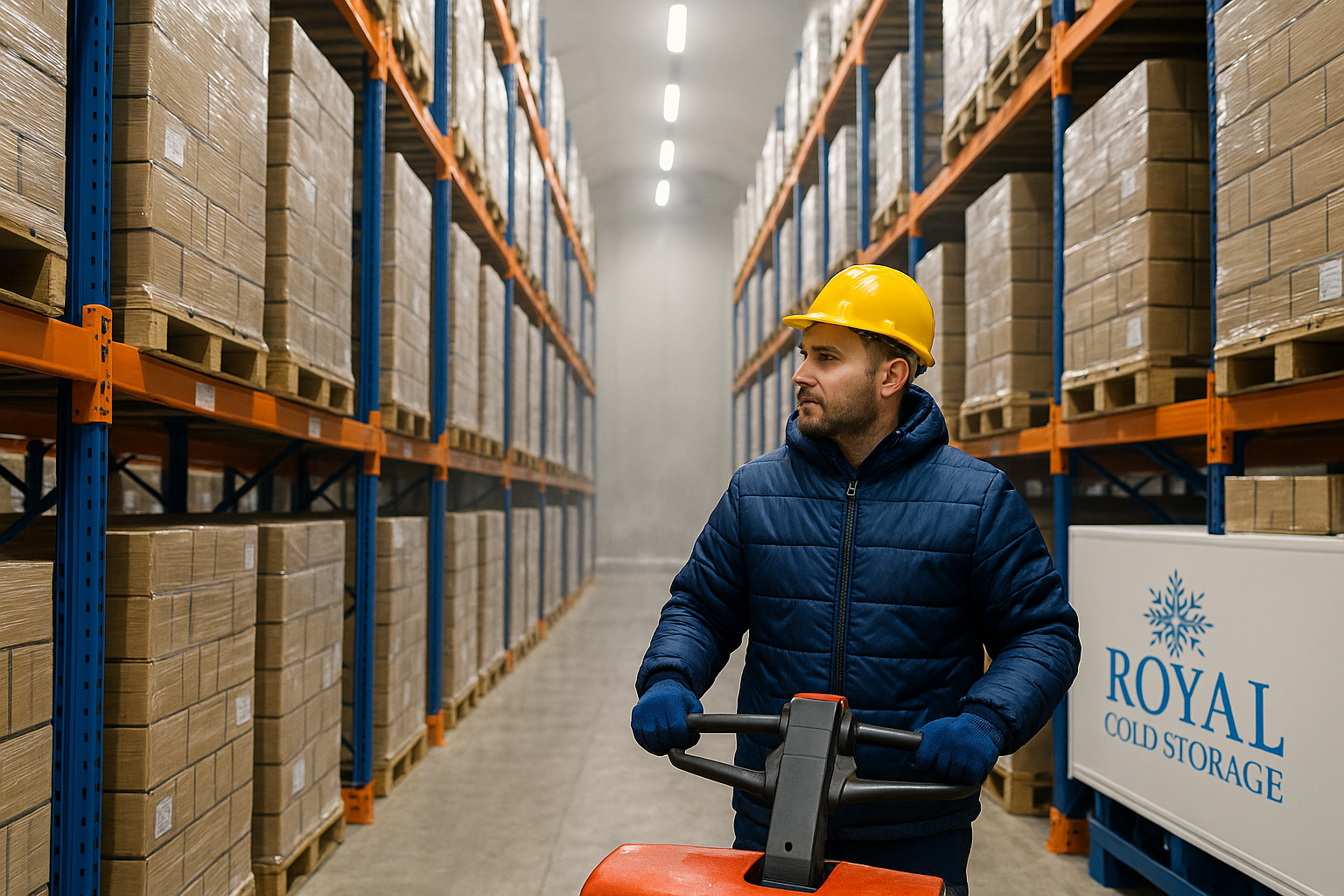
What Are the Steps to Import Perishables Through U.S. Ports?
Importing perishable goods—such as seafood, dairy, produce, and meats—into the U.S. is a delicate and highly regulated process. With strict requirements from agencies like the USDA, FDA, and U.S. Customs and Border Protection (CBP), businesses must ensure every step is handled with precision. In...
 Drayage
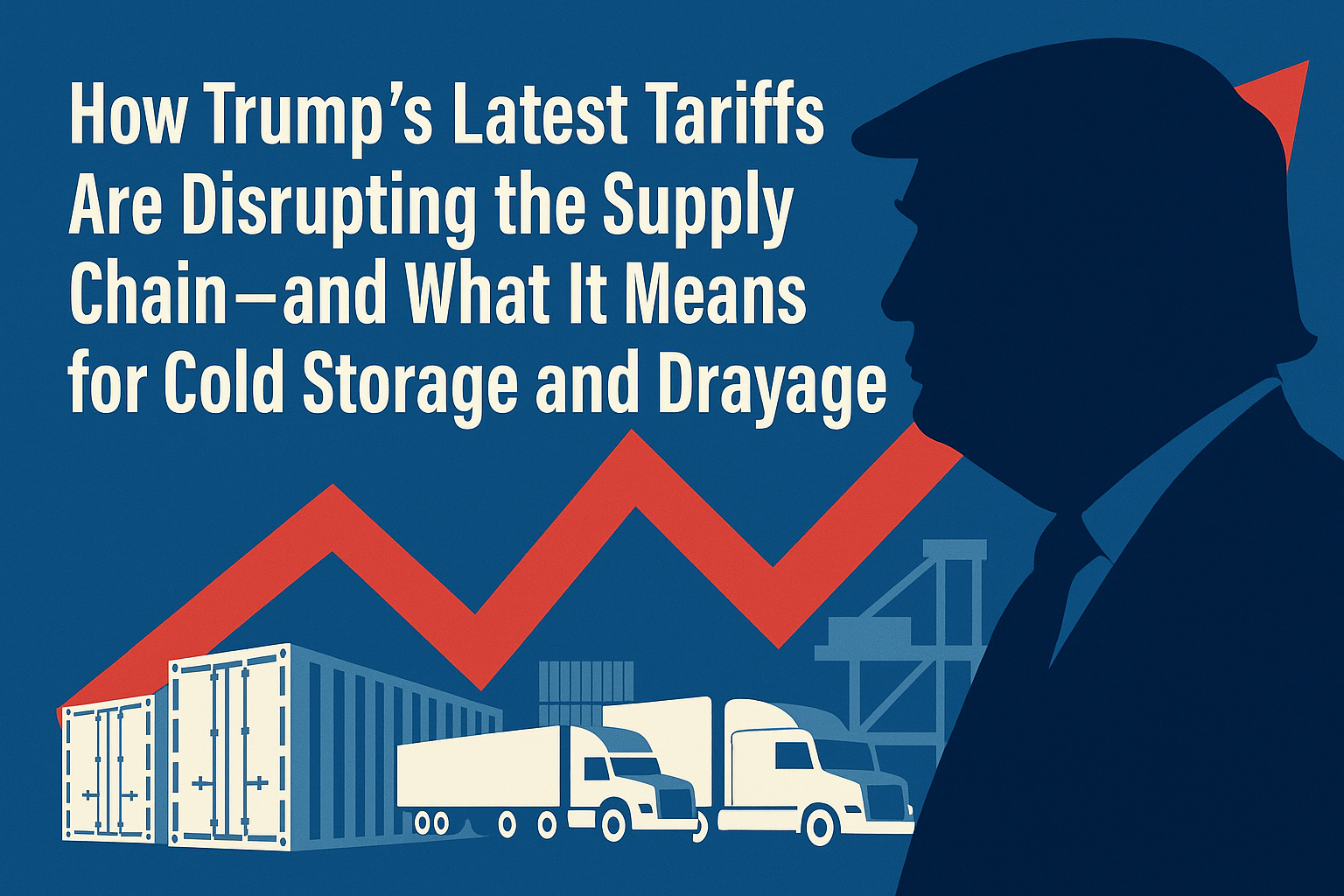
The Role of Drayage in Reducing Dwell Time and Detention Fees
In today’s high-stakes logistics environment, every minute at the port can cost money. For shippers and importers, two of the most frustrating—and costly—issues are dwell time and detention fees. Fortunately, a reliable drayage partner can be the key to minimizing both.
 Cold Chain & Logistics
Best Practices for Importing Perishables Through California Ports
When it comes to importing perishable goods, few routes are as critical—or as complex—as the ports of California. Whether it’s Port of Los Angeles, Long Beach, or Oakland, these West Coast hubs serve as gateways for thousands of reefer containers carrying fresh produce, seafood, dairy, meat, and...