
COLD-CHAIN LOGISTICS KNOWLEDGE
Latest updates on FDA & customs regulations, cold-chain logistics, and port and drayage trends.
 Customs & Compliance
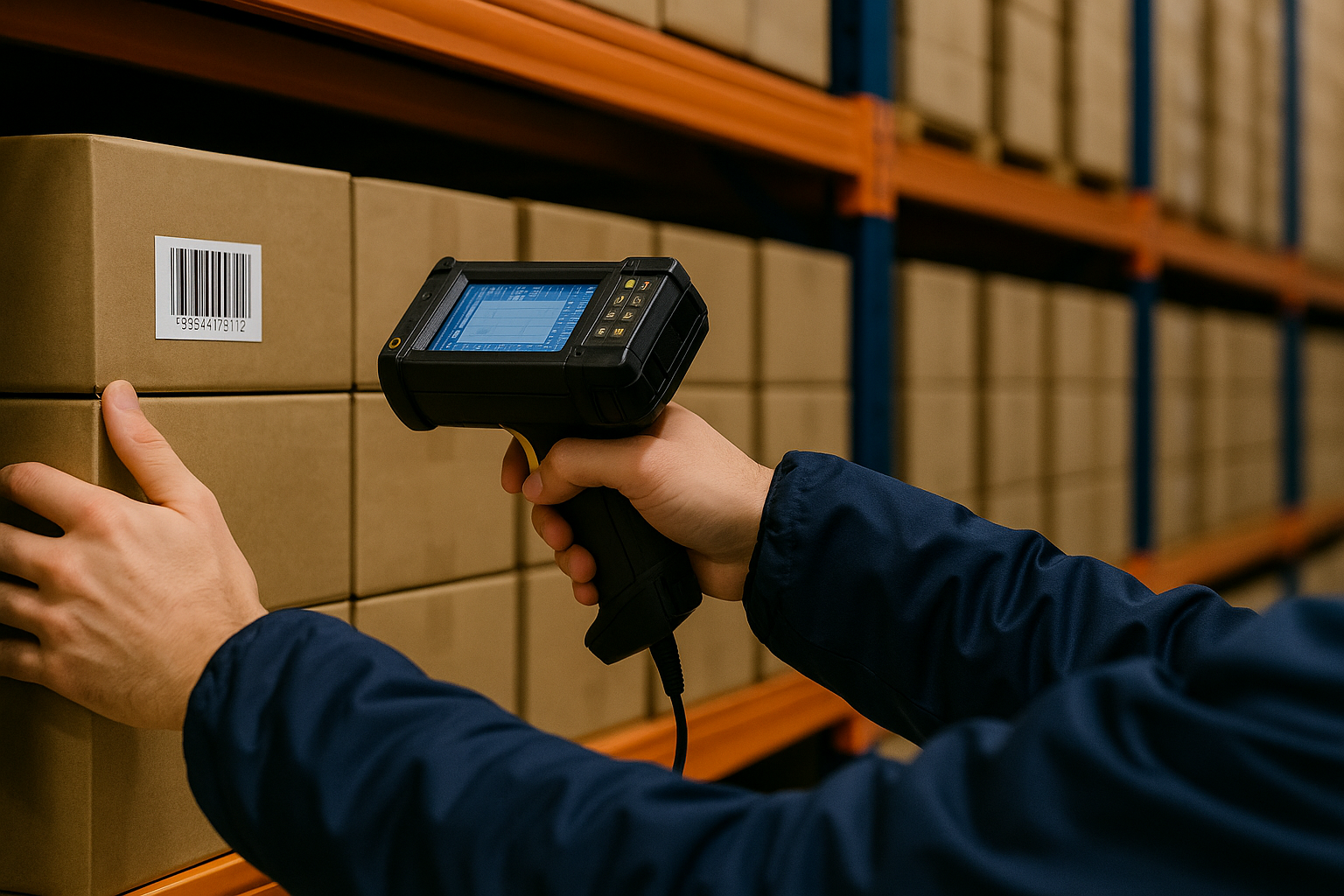
How Are Rejected or Quarantined Loads Handled in Cold Storage?
In food logistics, rejected shipments happen often—especially with imports, surprise inspections, or packaging errors. Cold storage facilities actively protect your products and ensure regulatory compliance when these issues arise.
 Customs & Compliance
How Food Grade Warehousing Protects Your Brand and Inventory
In the food logistics industry, your product isn't the only thing on the line—your brand reputation is too. Choosing the right food grade warehousing partner ensures your goods stay safe, compliant, and traceable from port to shelf.
 Customs & Compliance
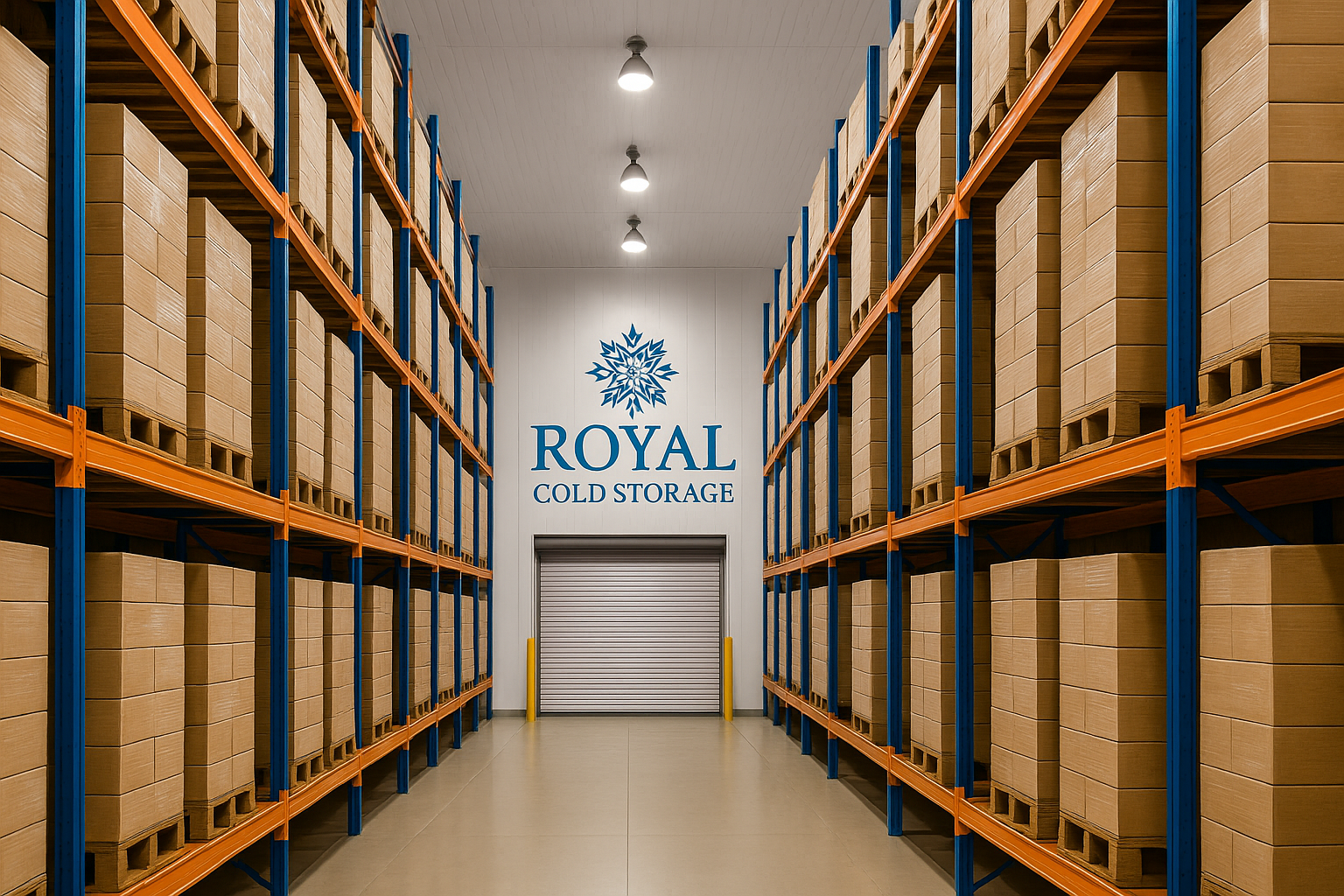
The Role of Customs Delays in DEM/DET Charges — and How to Contest Them
Learn how customs holds impact demurrage and detention fees for perishable imports, and how to contest unfair charges with strong documentation.
 Customs & Compliance
What Evidence You Need to Successfully Dispute DEM/DET Fees
Discover the key documents, timestamps, and temperature logs needed to dispute demurrage and detention charges for perishable imports successfully.
 Customs & Compliance
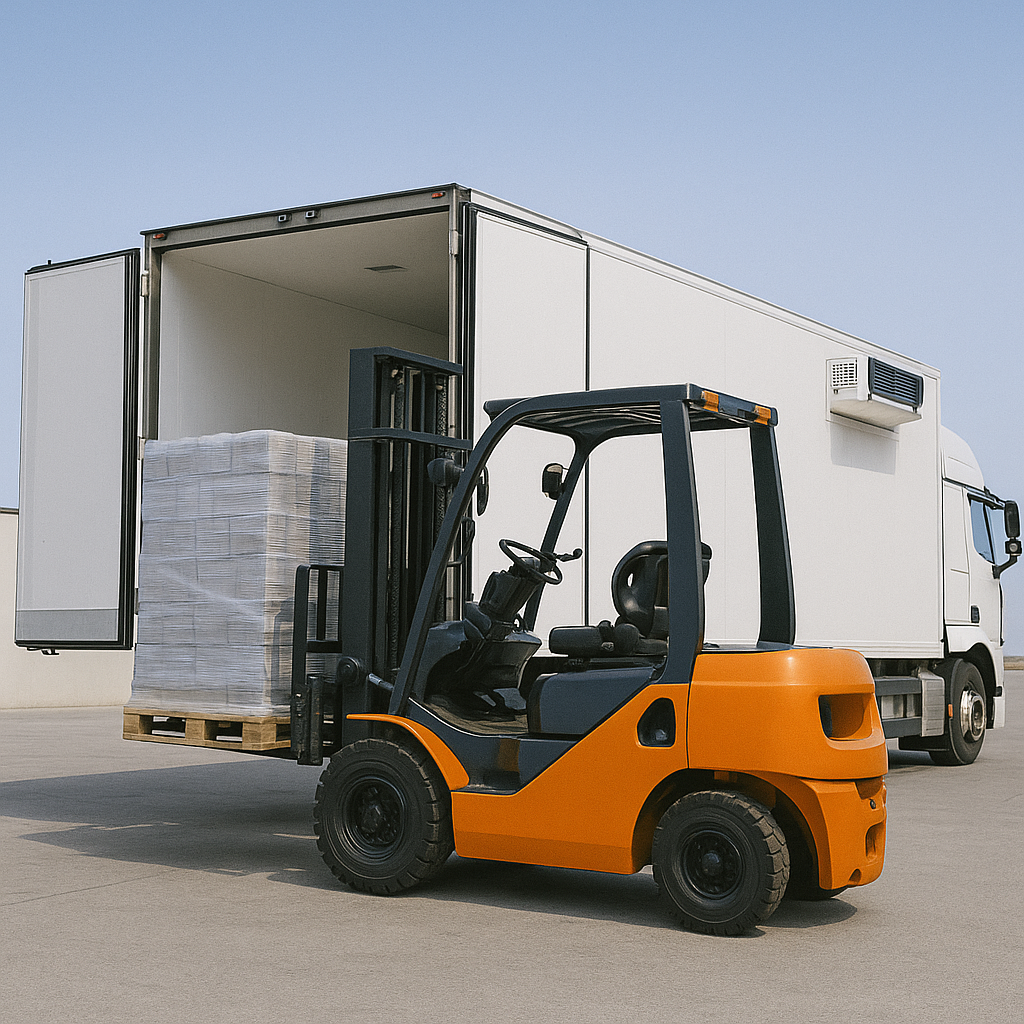
Common Mistakes That Lead to Unnecessary DEM/DET Fees—and How to Avoid Them
Discover the most common mistakes that lead to unnecessary demurrage and detention fees for perishable imports, and learn how to prevent costly delays.
 Customs & Compliance
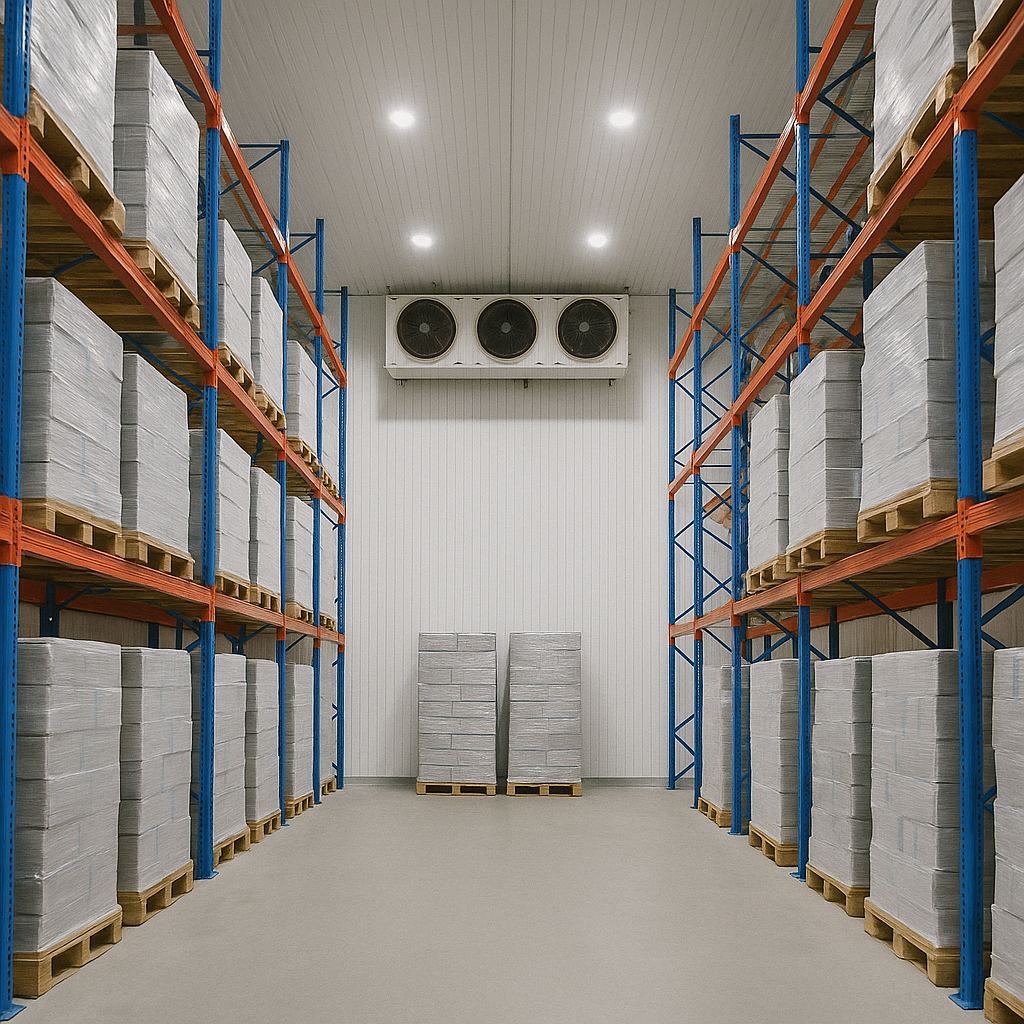
How to Dispute Demurrage and Detention Charges for Perishable Cargo
Learn how to dispute demurrage and detention charges for perishable cargo. A complete guide to gathering proof, filing disputes, and protecting your cold chain shipments.
 Customs & Compliance
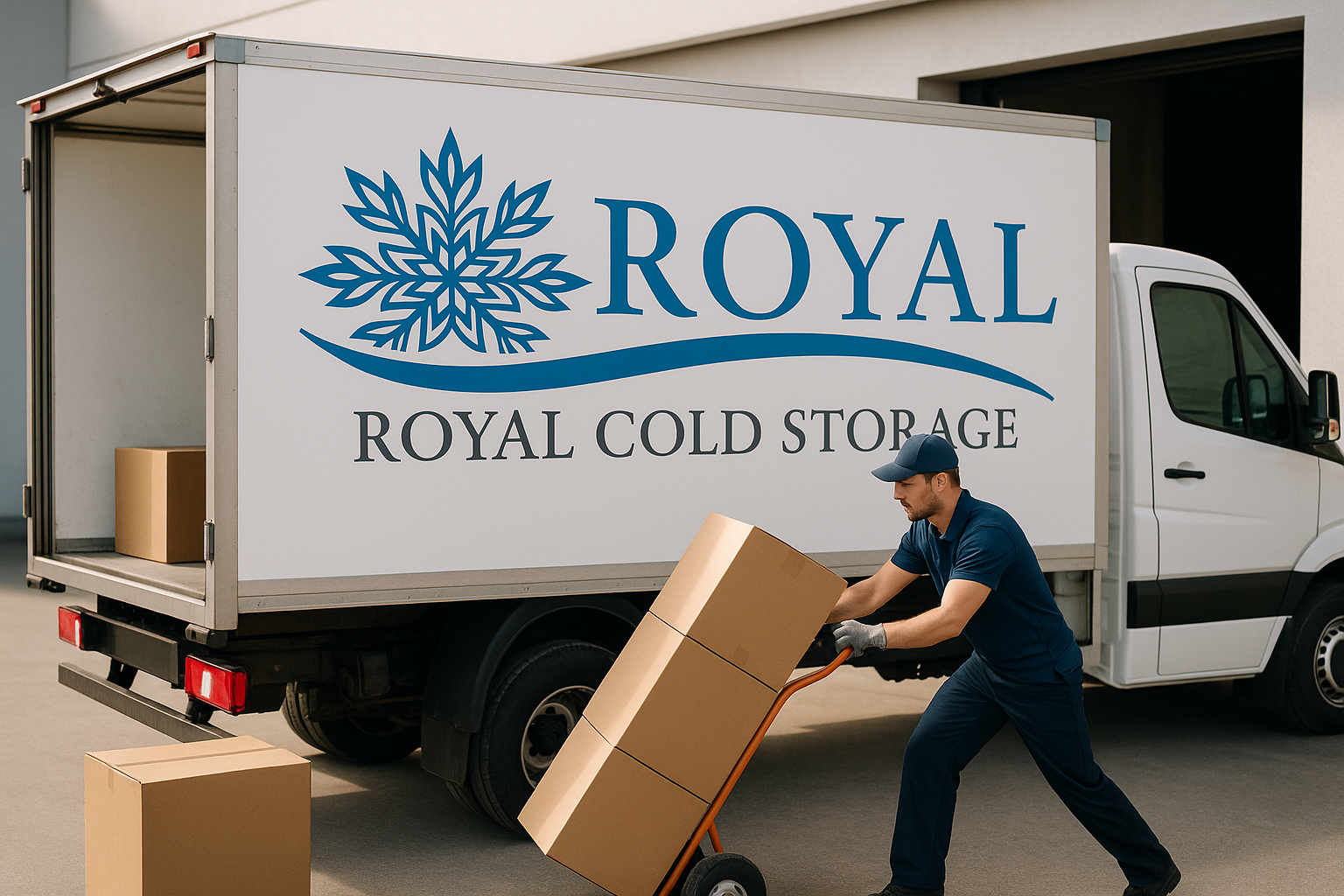
The Role of Customs Brokers in Perishable Food Imports
Discover how customs brokers help speed up perishable imports, navigate FDA clearance, and handle USDA inspections. Learn why Royal Cold Storage partners with experienced brokers.
 Customs & Compliance
How to Verify USDA and FDA Compliance in Cold Storage Facilities
When you import perishable goods like meat, seafood, produce, or dairy, storing them in a USDA- and FDA-compliant warehouse isn’t optional — it’s required by law in many cases. Choosing a facility that meets these standards ensures:
 Customs & Compliance
Why FDA-Approved Warehousing is Essential for High-Risk Food Imports
FDA-approved warehousing means that a facility meets the U.S. Food and Drug Administration’s strict standards for storing food products. For importers of high-risk foods — like seafood, dairy, fresh produce, and ready-to-eat meals — it’s not optional; it’s a necessity.