
COLD-CHAIN LOGISTICS KNOWLEDGE
Latest updates on FDA & customs regulations, cold-chain logistics, and port and drayage trends.
 Customs & Compliance
How to Verify USDA and FDA Compliance in Cold Storage Facilities
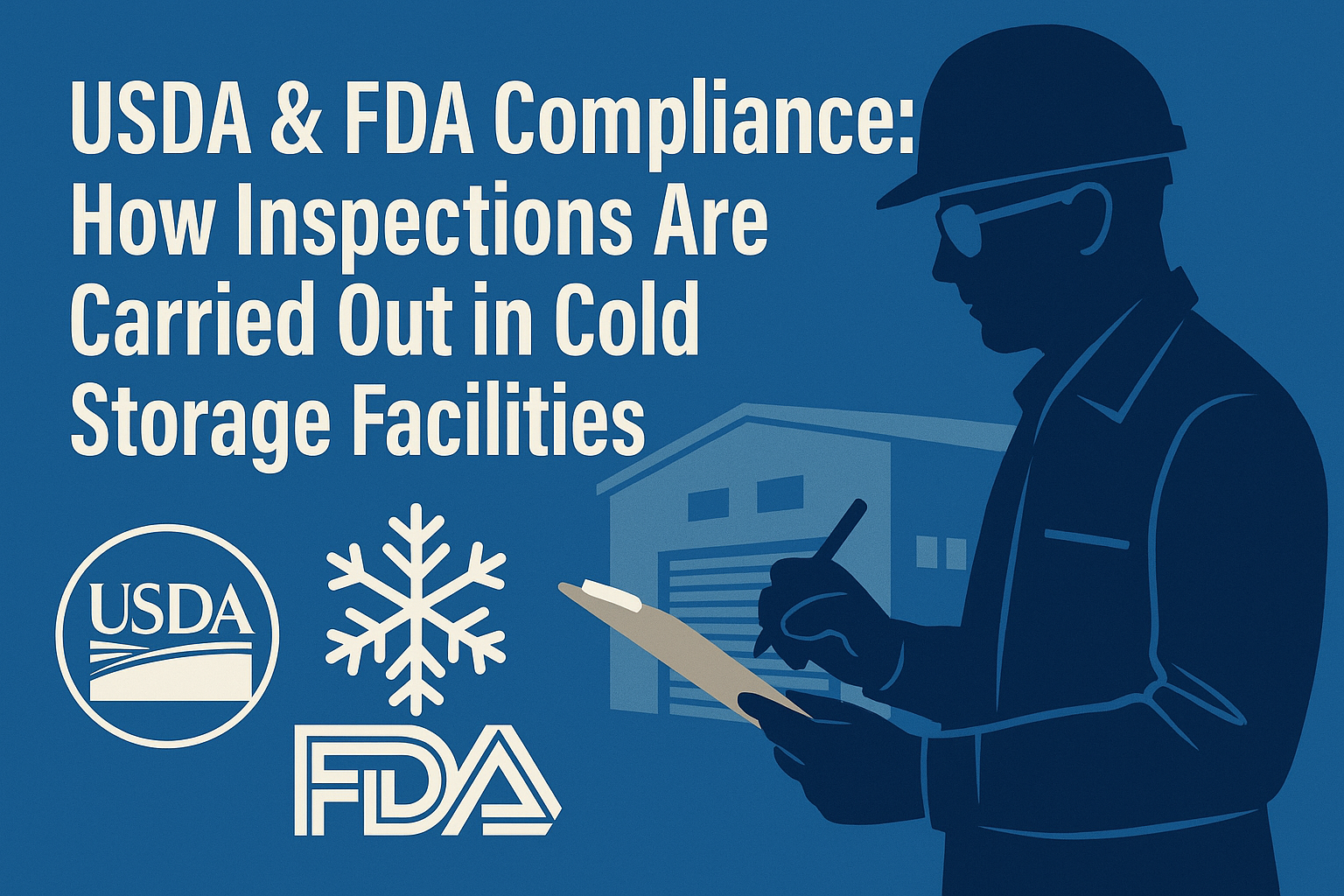
When you import perishable goods like meat, seafood, produce, or dairy, storing them in a USDA- and FDA-compliant warehouse isn’t optional — it’s required by law in many cases. Choosing a facility that meets these standards ensures:
 Customs & Compliance
Why FDA-Approved Warehousing is Essential for High-Risk Food Imports
FDA-approved warehousing means that a facility meets the U.S. Food and Drug Administration’s strict standards for storing food products. For importers of high-risk foods — like seafood, dairy, fresh produce, and ready-to-eat meals — it’s not optional; it’s a necessity.
 Drayage
The Benefits of Using One Provider for Drayage and Cold Storage
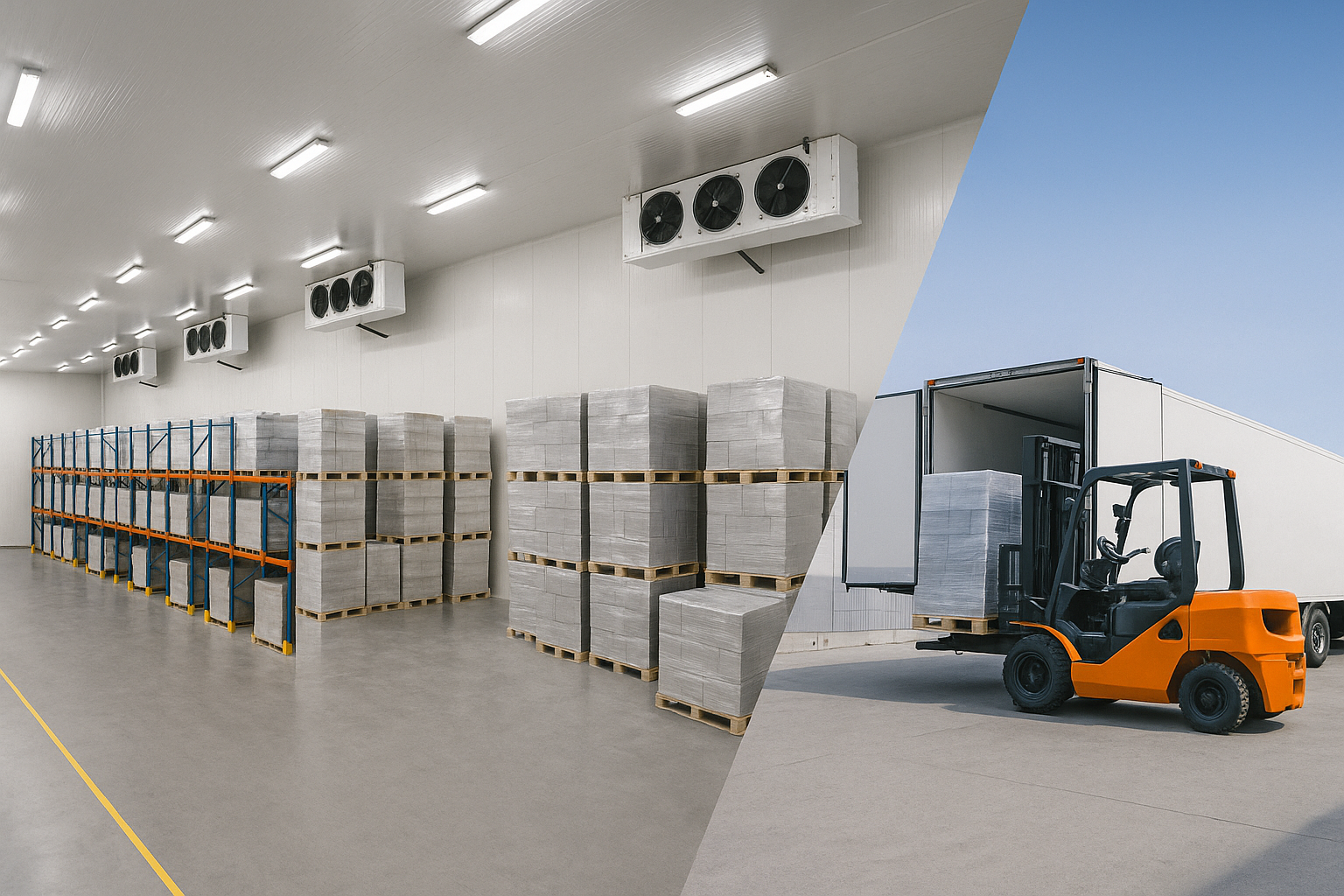
If you import perishable goods, every minute between port arrival and cold storage matters. Using separate vendors for drayage (container trucking) and cold storage often means extra coordination, more handoffs, and higher risks of delays.
 Drayage
What Is a Reefer Plug-in Point and Why It Matters at Ports
When it comes to refrigerated cargo, timing and temperature are everything. But what happens when your reefer container arrives at port—and you can’t move it right away?
 Warehousing & Storage
How Cold Storage Warehouses Calculate Billing: What’s in Your Invoice?
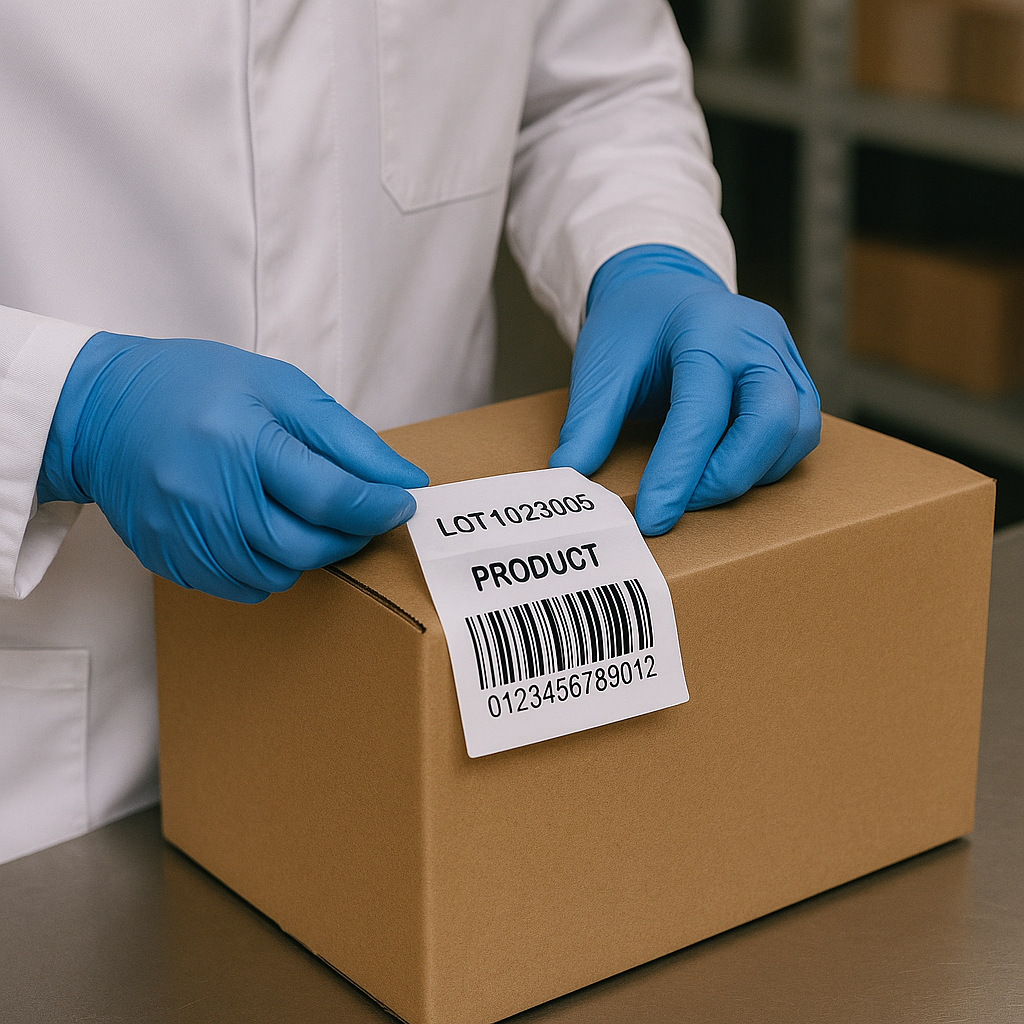
When you store freight in a cold storage warehouse—especially as an importer dealing with perishable cargo—understanding your invoice can save you from budget surprises. Billing in refrigerated warehousing isn’t just about the space your goods occupy. It often includes handling charges,...
 Warehousing & Storage
Weekend Port Arrivals? Why You Need Cold Storage That Accepts Freight 24/7
Your container finally arrives at the port—on a Saturday evening. You’ve got frozen seafood, produce, or meat inside a reefer, and the receiving warehouse is... closed until Monday.
 Customs & Compliance
Stuck in Demurrage? How to Move Containers to USDA Cold Storage in Hours
When your container sits too long at port, you don’t just risk spoilage—you get hit with demurrage fees, delayed inspections, and cascading logistics headaches.
 Warehousing & Storage
What Are Slip Sheets and Why Do Some Shipments Use Them Instead of Pallets?
Pallets have long been the default unit for shipping and storing goods, especially in cold storage. But there's a lesser-known alternative that some importers and exporters use to cut costs and save space: slip sheets.
Warehousing & StorageHow Much Cold Storage Space Do You Actually Need? A Guide for Importers and Distributors
Not sure how much cold storage space your shipment needs? Learn how to estimate pallet counts, volume, and temperature zones to avoid overpaying or running short on space.