
COLD-CHAIN LOGISTICS KNOWLEDGE
Latest updates on FDA & customs regulations, cold-chain logistics, and port and drayage trends.
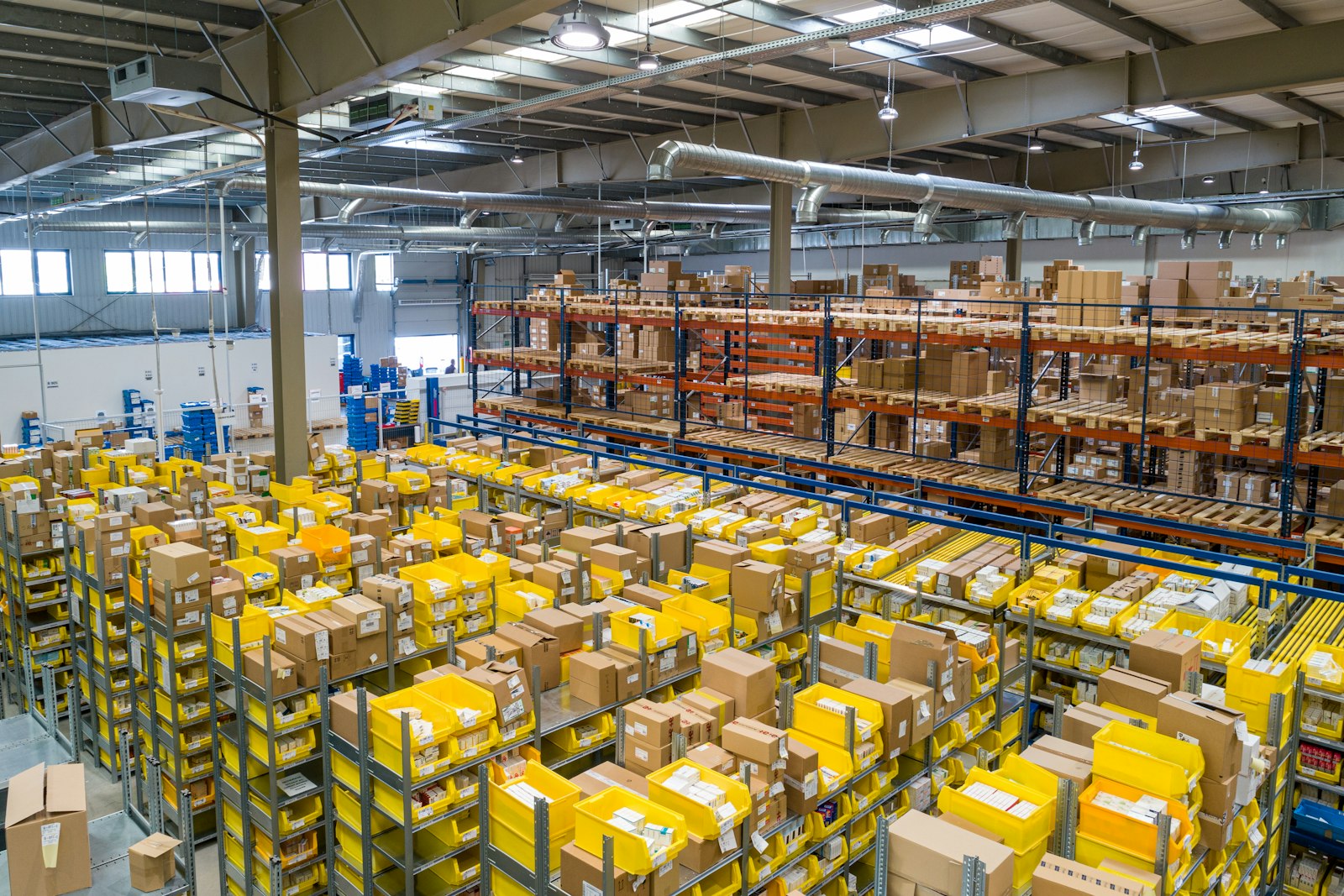
 Customs & Compliance
Why FDA-Approved Warehousing is Essential for High-Risk Food Imports
FDA-approved warehousing means that a facility meets the U.S. Food and Drug Administration’s strict standards for storing food products. For importers of high-risk foods — like seafood, dairy, fresh produce, and ready-to-eat meals — it’s not optional; it’s a necessity.
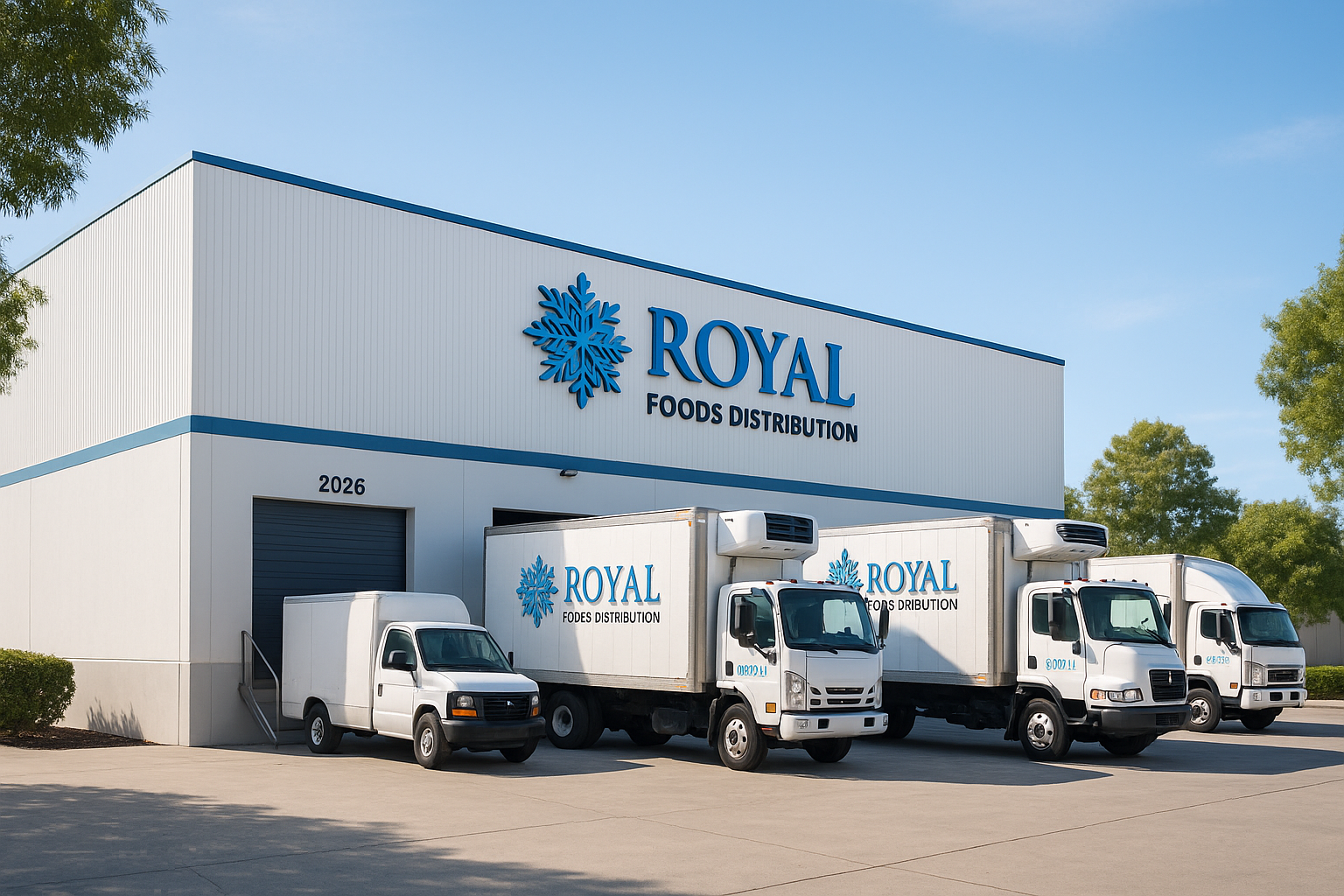
 Drayage
The Benefits of Using One Provider for Drayage and Cold Storage
If you import perishable goods, every minute between port arrival and cold storage matters. Using separate vendors for drayage (container trucking) and cold storage often means extra coordination, more handoffs, and higher risks of delays.
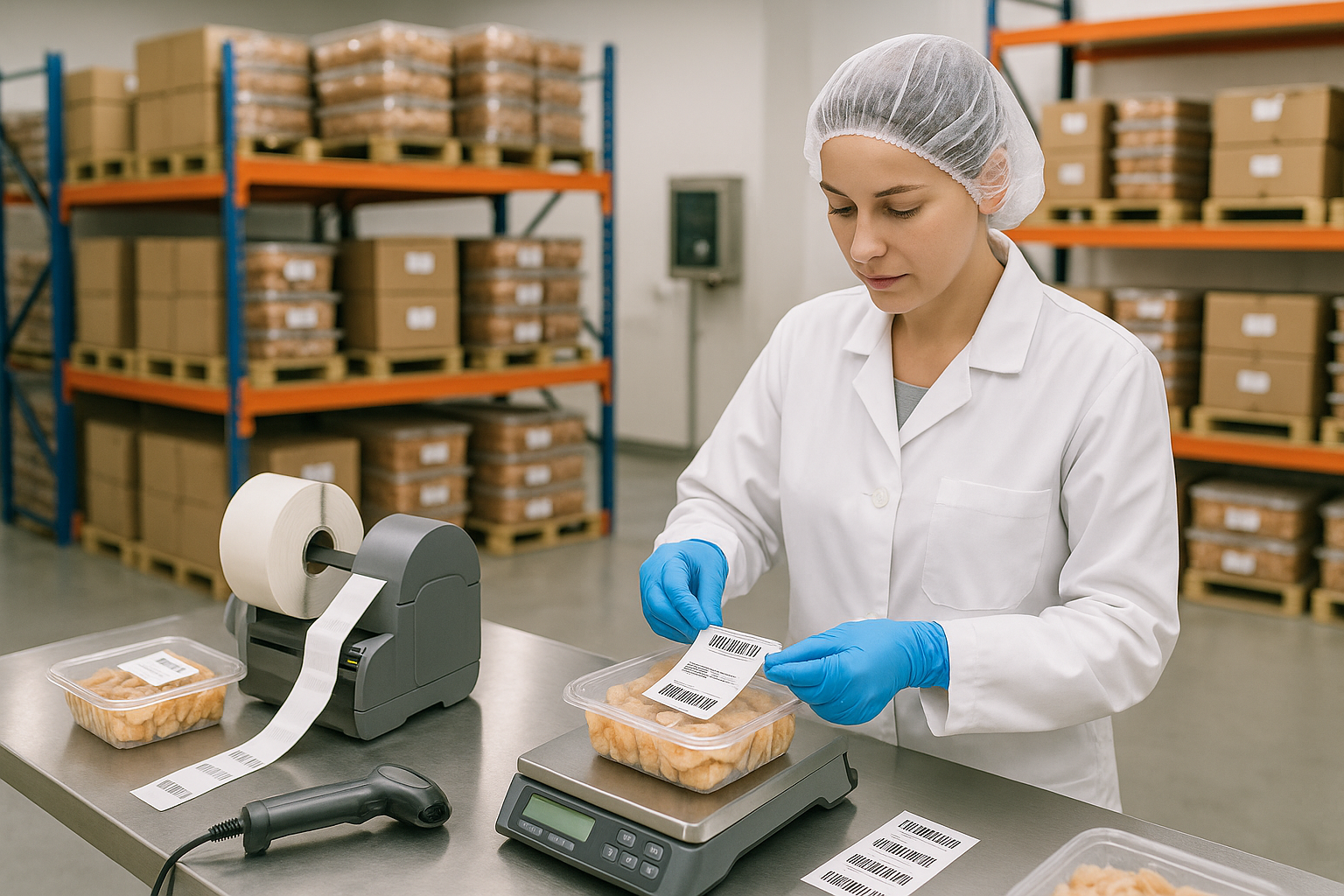
 Drayage
What Is a Reefer Plug-in Point and Why It Matters at Ports
When it comes to refrigerated cargo, timing and temperature are everything. But what happens when your reefer container arrives at port—and you can’t move it right away?
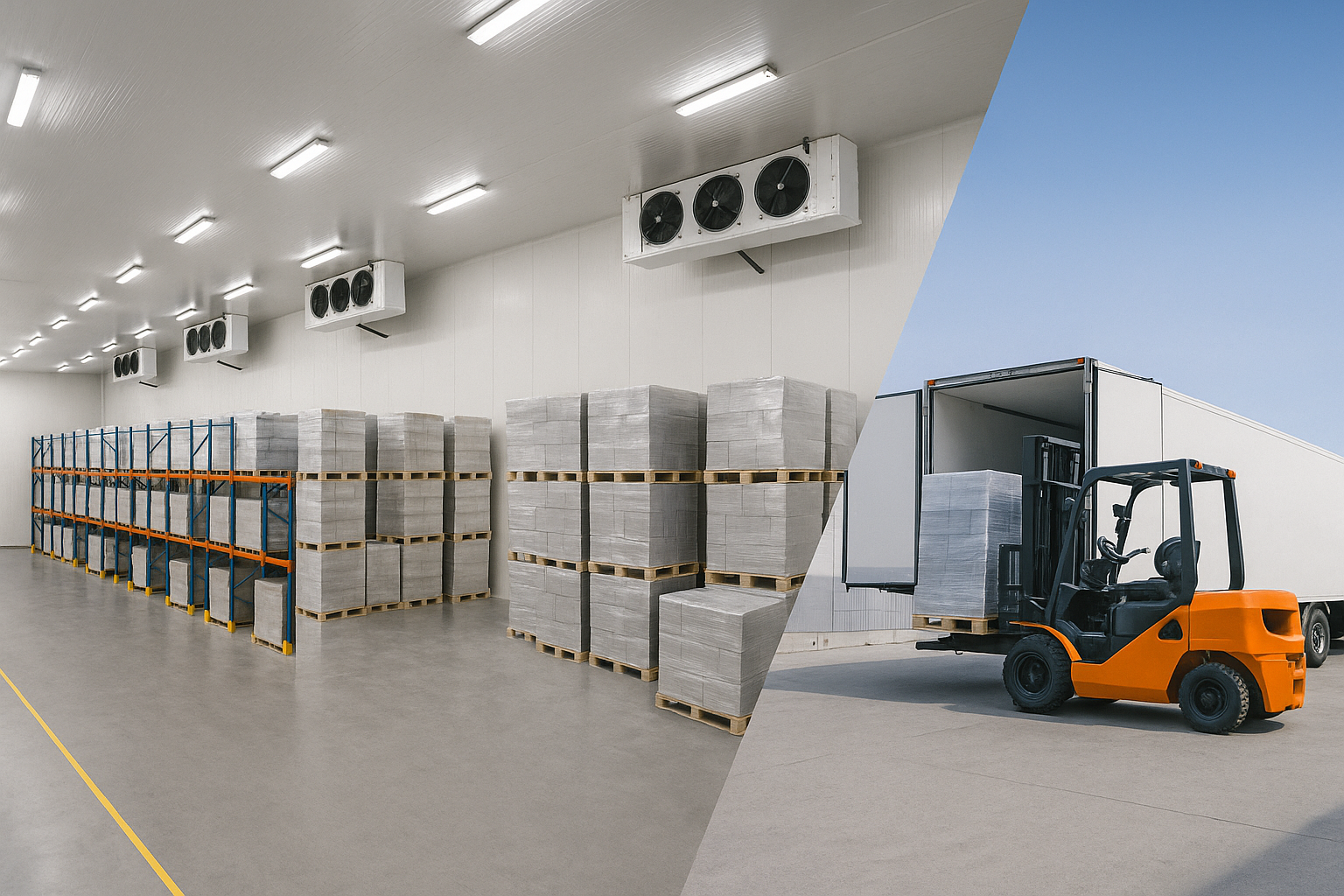
 Cold Chain & Logistics
How to Manage Product Recalls in a Cold Chain Environment
Product recalls are challenging in any industry—but in the cold chain, the stakes are even higher. Perishable goods are time- and temperature-sensitive, and a delayed response can lead to widespread spoilage, regulatory violations, or reputational harm.
 Cold Chain & Logistics
Cold Storage Insurance 101: What’s Covered and What’s Not
When you're storing high-value or perishable goods—like frozen seafood, dairy, or produce—in a temperature-controlled warehouse, insurance isn't just a formality. It's a crucial part of your risk management strategy. But not all cold storage insurance policies are created equal,...
 Warehousing & Storage
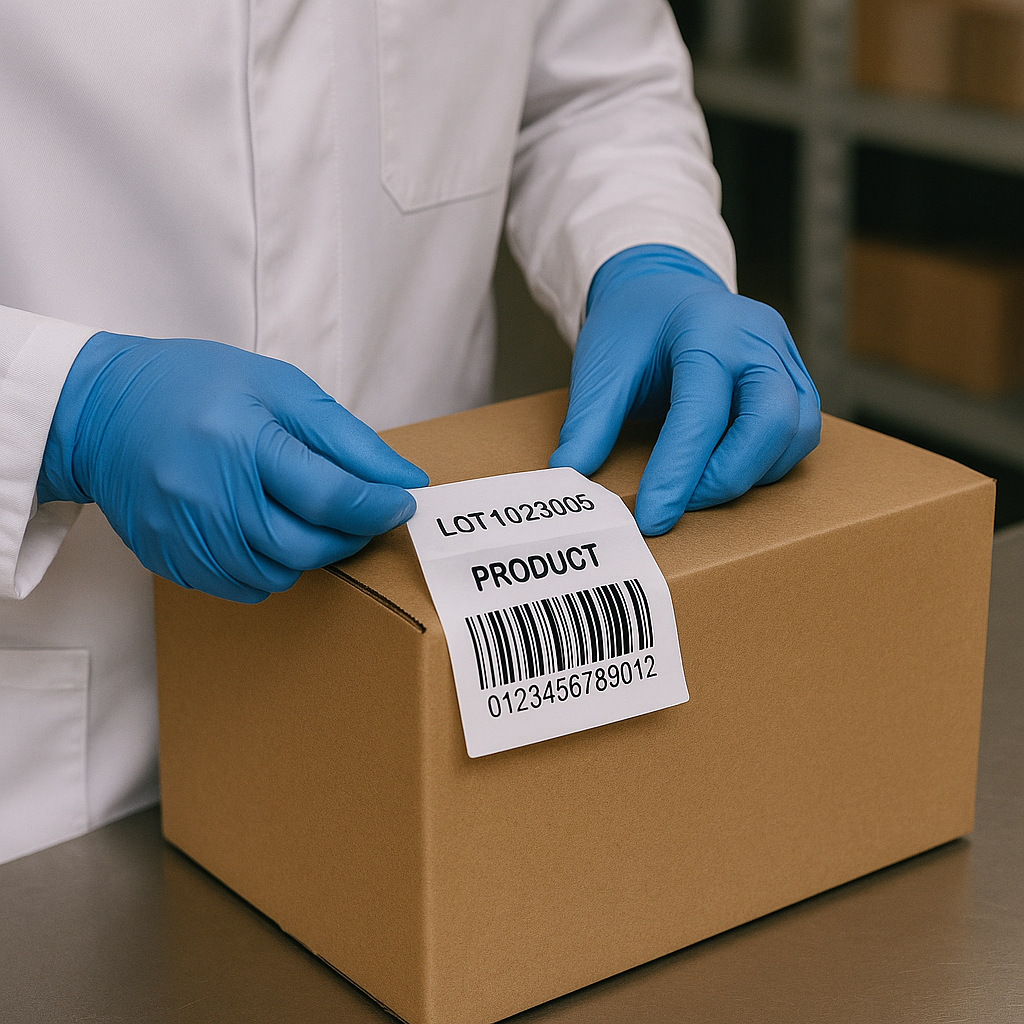
How Cold Storage Warehouses Calculate Billing: What’s in Your Invoice?
When you store freight in a cold storage warehouse—especially as an importer dealing with perishable cargo—understanding your invoice can save you from budget surprises. Billing in refrigerated warehousing isn’t just about the space your goods occupy. It often includes handling charges,...
 Cold Chain & Logistics
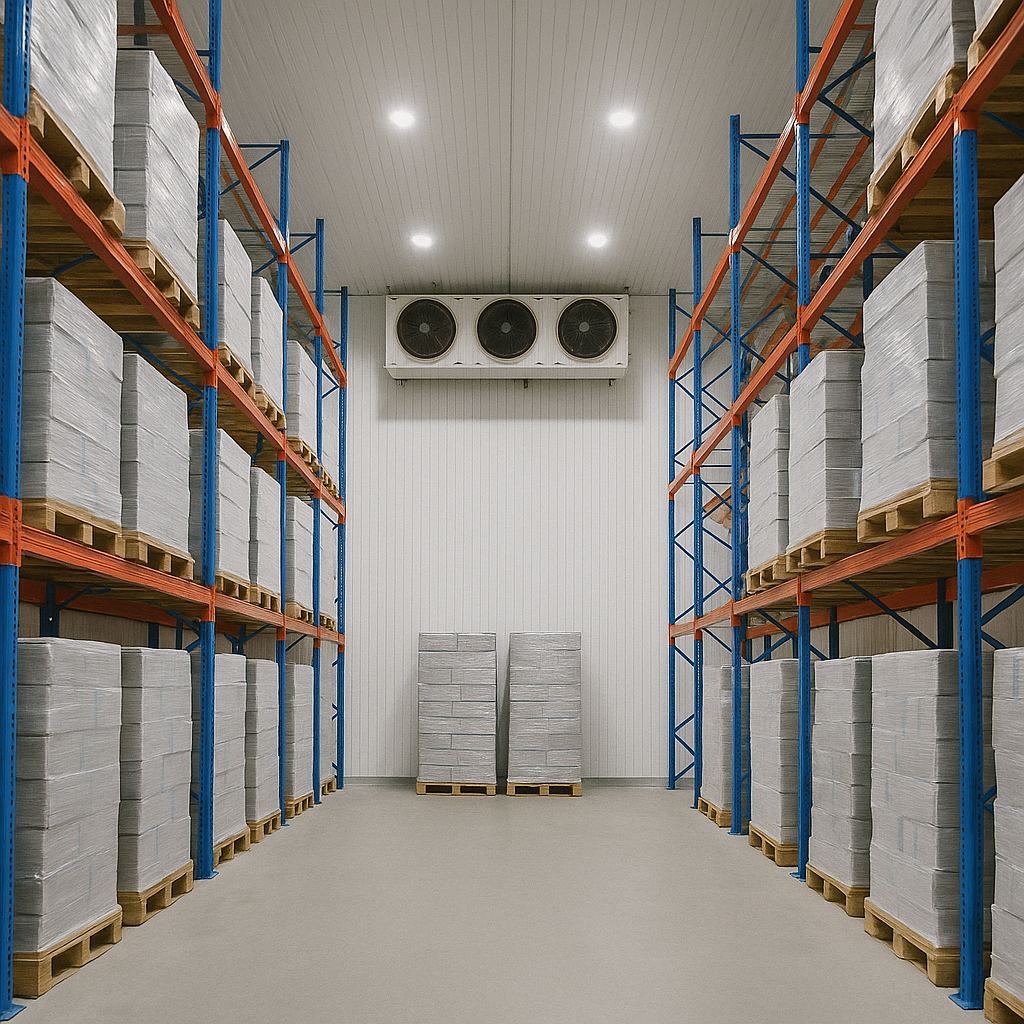
Why Airflow Matters in Refrigerated Warehousing | Cold Storage Best Practices
Learn how proper airflow in cold storage protects product temperature, reduces spoilage risk, and ensures compliance with food safety standards.
 Warehousing & Storage
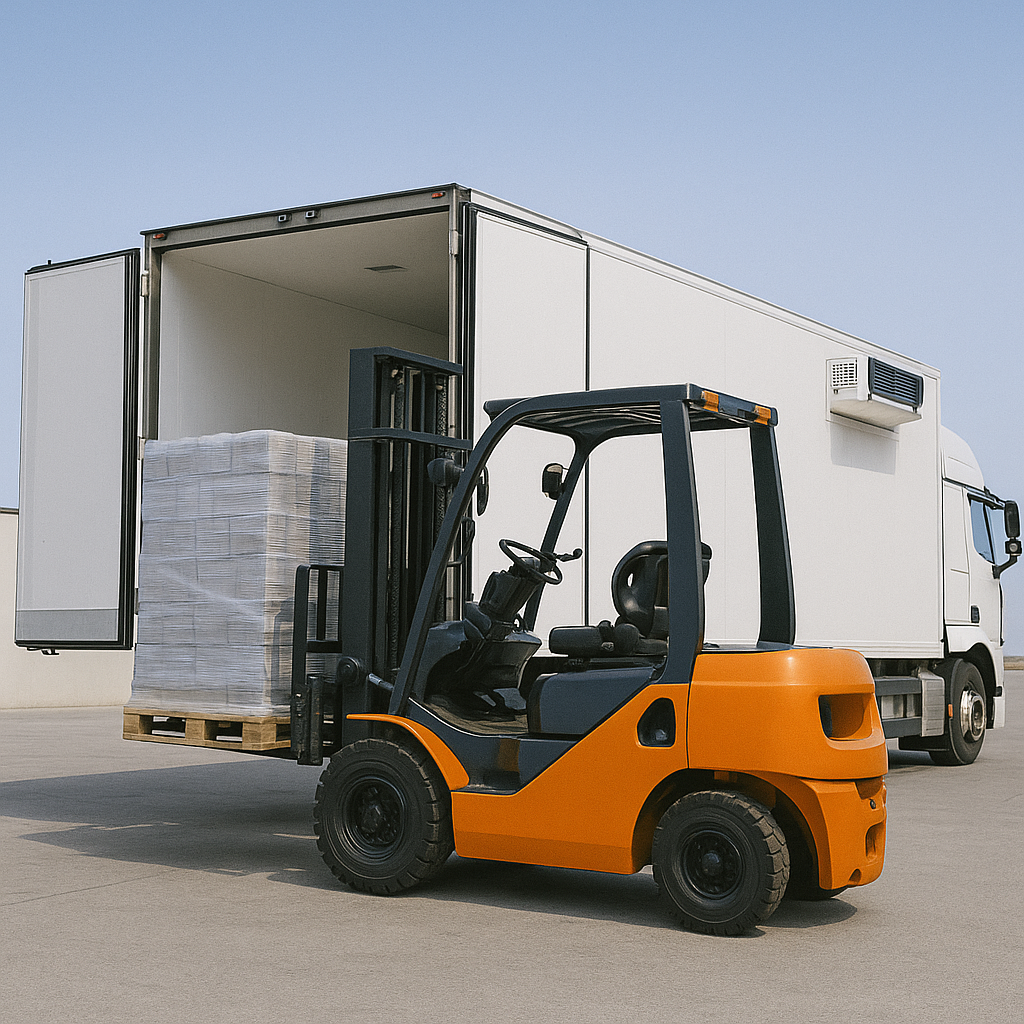
What Is a Blast Freezer and When Do You Need One? | Cold Storage Guide
Learn how a blast freezer works, why it's used in cold storage, and when your products might need ultra-fast freezing to ensure food safety and quality.
 Warehousing & Storage
How Cold Storage Facilities Handle Power Outages and Emergencies | Cold Chain Safety
Learn how professional cold storage warehouses protect your perishable inventory during power outages with generators, monitoring, and emergency protocols.